










Braford Cattle
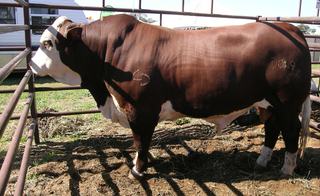
Few Australian breeds have a foundation story as specific as the Braford. The breed traces back to Edengarry, a Queensland property where, in 1946, a small group of breeders set out to solve the troubles costing northern producers stock and money. Cattle ticks were harming Hereford herds. Eye cancer was cutting productive lives short. Drought and humidity made it impossible to maintain body weight for long. The animal those breeders bred from a Brahman and Hereford base is still doing the work nearly eighty years on, in an environment that has changed considerably less than the markets it sells into.
This guide covers what Braford cattle are, how they perform in Australia's landscapes, what registration involves, and where to find verified studs. Farmbuy lists active Braford operations across Queensland and New South Wales for producers ready to shift from research to enquiry.
Braford Cattle Studs


Latest Braford Cattle News
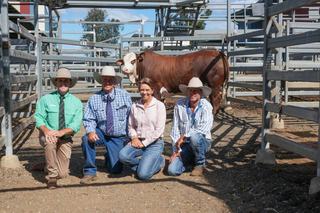
High prices were aplenty at the 2026 National Braford Sale at CQLX Gracemere, on Monday, September 14.

The 2026 National Braford Sale at CQLX Gracemere produced plenty of high prices, even as some large commercial orders stayed away amid...
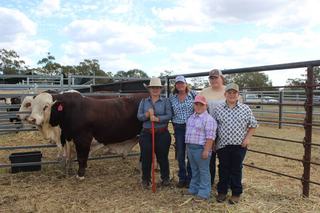
Well-known Braford buyer Wayne Robson's family purchased the top-price bull at their first New Dimension sale since his passing, and the...
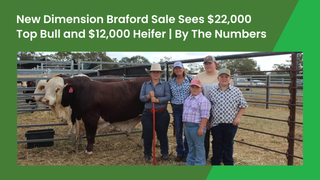
The New Dimension Braford sale drew packed grandstands at the Bell Showgrounds on August 29, where 13 vendors offered both bulls and...
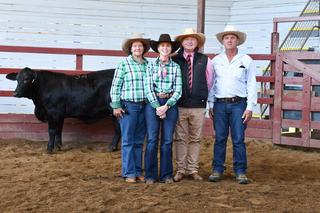
A top-price heifer caught more than a few bidders' eyes at the inaugural Elders Invitational Gympie Brangus and Ultrablack Female Sale...
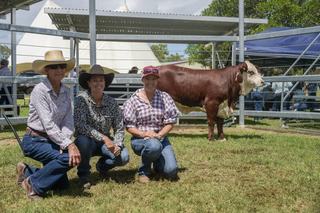
Braford breeders were rewarded for one of their highest quality offerings when average prices rose 51 per cent at the Elite Braford...

A significant number of readers believe vendors should be allowed to have a say in setting the starting price at multi-vendor bull sales.

A story in Queensland Country Lifehas sparked debate about starting prices at multi-vendor bull auctions.

The $4000 upset at Rockhampton Brahman Week this month saw some breeders sell below cost price and raised broader questions about value...

Producers are worried Queensland's stud cattle industry risks being left underserviced, with growing concerns over the scarcity of...

More than $60 million in bulls have changed hands in Queensland in the month of September.

The decision to raise the starting price of bulls to $6000 at this year's National Braford Sale has been declared a win by vendors...
The Origin of Braford Cattle in Australia
How Edengarry created the breed in 1946
The Braford was developed at Edengarry in Queensland in 1946. Breeders aimed to fuse the heat tolerance and parasite resistance of the Brahman with the carcase quality and maternal strength of the Hereford. Decades of selection forged a stabilised composite that held up across vastly different environments, and the Edengarry Brafords name still anchors the breed's pedigree.
Why Queensland producers needed a new composite
Northern producers in the 1940s were running British breeds in conditions they had never been bred for. Cattle ticks, eye cancer, and drought took a heavy toll on Hereford performance year after year. A Brahman Hereford cross addressed all three pressures at once and provided breeders a workable solution.
Brahman and Hereford foundations
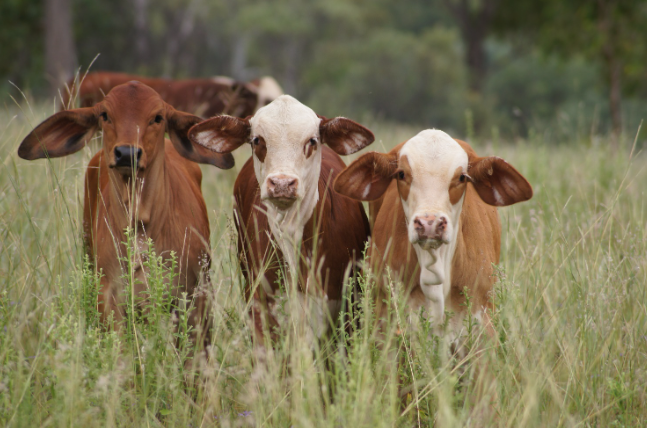
The Brahman side brought loose skin, hooded eyes, a small hump, and natural tick and heat resistance. The Hereford side lent the white face, meat quality, and steady maternal traits. The result was a composite that looked unmistakably mixed and performed accordingly under Australian conditions. Today's Australian Brafords still carry both signatures in roughly equal measure.
Performance, Traits and Why Brafords Suit Australian Conditions
Adaptability across climates and tick country
Braford is often described as a "go-anywhere" stock, and the description is well earned. Brafords run successfully from snowy country through to desert paddocks, hold condition through dry stretches, and carry strong tick resistance and natural immunity to bloat. For operations in tick declared zones across Queensland and northern New South Wales, that resilience will lead to fewer treatments, lower vet costs, and steadier turnoff weights at sale time.
Maternal traits, fertility, and calving ease
The maternal record is one of the breed's most powerful selling points. Heifers reach puberty early, fertility doesn't falter under tough seasonal conditions, and mothering ability is consistently good. Calves arrive at low birth weights of around 25 to 30kg, which keeps calving difficulties down, and they grow rapidly once on the ground. For commercial operators, the combination of easy calving and quick early growth makes for a productive cow that pays its way for several joinings.
Feedlot gains and meat quality
Brafords also perform when finished. Daily gains of up to 2.45kg are achievable on Braford steers in feedlot conditions, and feed conversion is efficient enough to keep finishers competitive on cost. Carcase outcomes inherit Hereford strengths in marbling and yield, which is why the advantages of Braford cattle tend to shine most clearly at sale and slaughter. The rate of repeat buyers in the feedlot sector stands as the strongest testament to the breed's performance.
Breeding Standards and Registration Requirements
Australian Braford Society guidelines
The Australian Braford Society sets the standards for registered animals. Ideally, registered Brafords are 50% Brahman and 50% Hereford, although the society allows inheritance to range between one quarter and three quarters of either parent. That flexibility is helpful for breeders adjusting their composite mix to local conditions, particularly along the boundary between tropical and temperate Australia.
Polled, horned and F1 Braford classifications
Brafords come in both polled and horned forms. Dehorning is standard procedure for horned animals, done for safety and meat quality. Polled lines have grown in popularity as commercial preferences have shifted. F1 Braford cattle, the first cross generation, sit at the heart of many breeding programmes thanks to the hybrid vigour it produces. Buyers seeking straightforward F1 progeny should ask studs about dam and sire combinations before committing.
DNA sire verification and Pompes E7 testing
Every animal registered with the society is required to carry DNA sire verification and a clear Pompes E7 status. Pompes E7 is a recessive genetic condition; mandatory testing shields buyers and the breed's long term integrity. For commercial buyers, the paperwork on a registered Braford acts as a useful proxy for genetic quality and breeder discipline. If a vendor cannot produce it, the absence serves as a red flag.
Leading Australian Braford Studs and Sales
Queensland studs leading commercial sales
Queensland is the breed's heartland. Taroela Brafords has built its reputation through consistent placings at commercial sales, such as the Dalby Weaner & Feeder Sale, where its weaner drafts have garnered strong returns from feeder buyers. Vaucraft Braford Stud has taken a different approach, focusing on what it calls "tropical Brafords" bred to perform under 100% humidity and heavy parasite pressure. Both operations showcase what targeted selection looks like inside the Queensland market.
New South Wales genetics for temperate country
Across the border, Southern Cross Brafords supplies genetics crafted for temperate and southern climates, where heat tolerance is still important, but with different seasonal extremes. Manjayru Braford Stud, also in NSW, is another well respected source of both stud and commercial genetics. Together they show how Australian Braford breeders have adapted the original Queensland genotype for a wider geographic spread, and why buyers shopping for a southern operation should not assume all Brafords come out of the tropics.
Where to find registered Braford cattle for sale on Farmbuy
For buyers ready to compare verified operations, Farmbuy lists registered Braford cattle alongside the studs producing them. Abernethy Brafords and McN Brafords are two stud cattle Australia listings worth reviewing for producers desiring documented genetics and a clear paper trail. The marketplace approach enables buyers to shortlist studs side by side instead of chasing scattered websites and out of date phone numbers, which is no small advantage when the cattle in question are five and six figure investments.
Buying Brafords: What to Look for and How They Compare
Choosing Braford bulls and heifers for your environment
When you are weighing Braford bulls or heifers for sale, environmental fit is as crucial as pedigree. Coastal humidity, tick pressure, available feed quality, and infrastructure all push selection in different directions. Ask the breeder for sire records, vaccination history, and recent weight data before committing. Reputable breeders would share said information without hesitation.
Braford vs Charbray and other tropical composites
Northern buyers often weigh Brafords against Charbray Cattle, which is a Brahman-Charolais mix known for growth and frame. Operations such as Kandanga Valley Charbray Cattle have built strong reputations in Queensland and offer a useful reference point when comparing the two breeds. Droughtmaster Cattle is another comparable composite, particularly for producers chasing carcase yield in tropical country. Brafords tend to win on maternal performance, and Charbrays and Droughtmasters often win on growth and frame on the other hand. The right pick depends on enterprise type.
Budget, transport and post sale considerations
Pricing depends on age, classification and whether the animal is registered. Plan for transport costs, NLIS compliance and a separate quarantine paddock if you are introducing new genetics to an established herd. Most reputable studs offer post sale advice on settling stock, allowing for a smoother introduction.
Choosing the Right Braford Genetics for Your Operation
Brafords earned their place in Australian beef by solving Australian issues. Their tick resistance, heat tolerance, maternal record, and feedlot performance still hold up nearly 80 years after Edengarry put the first cross together. For producers weighing the breed, the practical next step is comparing studs, paperwork, and genetics on the same screen. Farmbuy eases the process, listing registered Braford operations from Queensland through to NSW so buyers can shortlist with confidence, rather than chase enquiries across separate sites.
Frequently Asked Questions
What are Braford cattle?
Brafords are an Australian developed composite beef breed combining Brahman and Hereford genetics. They were created at Edengarry in Queensland in 1946 to handle ticks, heat, and drought without losing Hereford carcase quality.
Where did Braford cattle originate in Australia?
The breed was established at Edengarry, a Queensland property, in 1946. Queensland and New South Wales remain the centres of Braford breeding today.
What is the ideal Brahman to Hereford ratio in a registered Braford?
The Australian Braford Society treats 50 per cent Brahman and 50 per cent Hereford as the ideal. Inheritance is allowed to range from one quarter to three quarters of either parent.
Are Brafords suitable for southern Australian conditions?
Yes. Although the breed was developed for tropical country, NSW operations such as Southern Cross Brafords have shown strong performance in temperate environments.
How much weight can Braford cattle gain in a feedlot?
Daily gains of up to 2.45kg are achievable on Braford steers in feedlot conditions, supported by efficient feed conversion.
What is Pompes E7 and why is it tested?
Pompes E7 is a recessive genetic condition. Animals registered with the Australian Braford Society must test clear, which protects buyers and the breed's genetic integrity.
How are Brafords different from Charbray cattle?
Both are tropical composites, but Brafords carry Hereford influence and Charbrays carry Charolais. Brafords typically lean towards maternal traits while Charbrays lean towards growth and frame.
Where can I buy Braford bulls and heifers in Queensland or NSW?
Farmbuy hosts listings from registered breeders across both states, including Abernethy Brafords, McN Brafords and other established stud operations.
