














How to Choose the Right Livestock Stud in Australia: EBV Interpretation and Breeder Evaluation Checklist

A single sire can influence hundreds of progeny throughout your breeding programme. Get the selection wrong, and you'll spend years correcting the genetic drift. Get it right, and your herd or flock improves with each generation.
Australian livestock producers now operate in a data-driven landscape. Estimated Breeding Values (EBVs) provide objective genetic comparisons that were unavailable to previous generations. Despite this, many buyers still struggle to interpret this information or know which questions to ask breeders before committing thousands of dollars.
This guide serves two purposes: demystifying EBV data and providing a practical checklist for evaluating studs. The principle stays consistent whether sourcing cattle, sheep, or goats. Platforms like Farmbuy connect producers with registered studs across Australia's major livestock sectors, but knowing what to look for enables informed purchases and safeguards against expensive mistakes.
Why Stud Selection Shapes Your Breeding Programme's Future
The Multiplier Effect of Genetic Decisions
Unlike purchasing commercial stock, stud selection carries a multiplier effect. As an example, a bull serving 40 cows annually for four seasons sires 160 calves. Those genetics then flow through your herd for decades as replacement females enter the breeding programme.
This compounding influence means that when spending $15,000 on a sire, the total monetary effect can’t be determined from the purchase price solely. It's a decision affecting potentially hundreds of thousands in future progeny value.
Matching Genetics to Your Production Environment
The highest-EBV animal in a sale catalogue may not necessarily be the right choice for your operation. A sire bred for feedlot performance may produce progeny unsuited to extensive pastoral conditions. Similarly, genetics optimised for high-rainfall zones often struggle in arid environments.
Before reviewing EBV data, clarify your production objectives. Are you targeting carcase weight for direct sales? Maternal traits for breeding stock production? Wool quality for fibre markets? Your answers determine which traits deserve priority.
Common Selection Mistakes and Their Long-Term Costs
Three errors consistently undermine breeding programmes:
- Single-trait fixation. Chasing one exceptional EBV while ignoring correlated traits creates imbalanced animals. E.g. High growth genetics paired with poor structural soundness leads to lameness and early culling.
- Ignoring accuracy figures. Low-accuracy EBVs on young, unproven sires carry substantial risk. The published value may shift significantly as more progeny data accumulates.
- Skipping physical inspection. EBVs don't capture every consequential trait. Structural correctness, temperament, and visual type still require hands-on assessment.
Understanding EBVs: What the Numbers Actually Tell You
How BREEDPLAN and Sheep Genetics Calculate Breeding Values
EBVs aren't raw measurements. They're statistical predictions of an animal's genetic merit relative to a breed baseline, calculated from performance records across related animals.
BREEDPLAN processes beef cattle data, and Sheep Genetics on the other hand, handles the national sheep evaluation database. Both systems use complex statistical models that account for environmental factors, management groups, and genetic relationships.
The resulting EBV represents the expected difference in progeny performance compared to a breed-average parent. For instance, a bull with a +40 kg 400-day weight EBV should produce calves averaging 20 kg heavier at 400 days than calves from a breed-average sire (half the EBV passes to each progeny).
Reading EBV Tables: Accuracy, Percentile Bands, and Trait Groups
Every EBV comes with an accuracy percentage. This figure indicates how much information underpins the prediction:
- Below 50% - Limited data, expect potential movement as progeny results accumulate
- 50-74% - Moderate confidence, reasonable for selection decisions
- 75% and above - High reliability, unlikely to change substantially
Percentile bands show where an animal ranks within its breed. An animal in the top 10% for a trait outperforms 90% of the recorded population for that characteristic.
Trait groups cluster related EBVs into selection indexes. The $Index values in beef cattle combine multiple traits weighted by economic importance, simplifying comparison across animals.
Balancing EBVs Against Visual Assessment
EBVs excel at predicting traits that are difficult to assess visually: intramuscular fat, days to calving, scrotal circumference. However, structural soundness, feet quality, and temperament still require physical evaluation.
The most successful buyers treat EBVs as a screening tool. Use the data to shortlist candidates, then inspect those animals thoroughly.
Essential Traits to Evaluate Before Purchasing Stud Stock
Growth and Carcase Traits for Beef Producers
For beef operations targeting slaughter markets, prioritise:
- 200-day and 400-day weight EBVs for growth rate assessment
- Eye muscle area (EMA) for carcase yield
- Intramuscular fat (IMF) for marbling and eating quality
- Rib and rump fat for finish specification compliance
Terminal sire selection should weigh these traits heavily. When browsing stud listings on Farmbuy, compare these figures against breed percentile benchmarks.
Maternal and Fertility Indicators for Breeding Herds
Self-replacing herds require different genetic emphasis:
- Days to calving indicates female fertility
- Scrotal size correlates with daughter fertility
- Milk EBV affects weaning weights through maternal contribution
- Mature cow weight influences feed costs and stocking rates
Balancing growth with maternal function prevents the common trap of breeding females too large for available nutrition.
Wool and Fibre Quality Metrics for Sheep Operations
Wool producers should examine:
- Clean fleece weight for total production
- Fibre diameter (lower micron typically commands premium)
- Staple strength for processing performance
- Coefficient of variation for fibre uniformity
Meat sheep operations shift focus toward growth rate, muscling, and fat depth EBVs.
The Breeder Evaluation Checklist: 10 Questions to Ask Before You Buy
Beyond genetics, the breeder's practices massively affect your purchase outcome. Reputable studs listed on Farmbuy will usually provide transparent documentation across these areas:
Health Testing and Biosecurity Protocols
1. What vaccination programme do you follow? Request specific protocols and timing.
2. Which disease tests have been conducted? For cattle, this includes Pestivirus, Johne's disease, and vibriosis. Sheep studs should confirm OJD status and footrot history.
3. What quarantine procedures apply to introduced animals? This reveals how seriously the stud treats biosecurity.
Pedigree Documentation and Registry Verification
4. Is the animal registered with the relevant breed society? Request registration papers and verify authenticity directly with the society if purchasing high-value genetics.
5. Can you provide three generations of pedigree information? This helps identify any inbreeding concerns and confirms genetic background.
6. Are genomic test results available? Genomically-enhanced EBVs carry higher accuracy, especially for young animals.
Post-Sale Support and Breeding Guarantees
7. What fertility testing has been completed? Bulls should have passed a Bull Breeding Soundness Evaluation (BBSE). Rams require serving capacity testing.
8. What happens if the animal fails to perform? Understand return policies, replacement terms, or refund conditions before purchase.
9. Do you provide delivery, and what quarantine arrangements apply? Determine logistics and associated costs upfront.
10. What ongoing support do you offer purchasers? The best studs maintain relationships with buyers and provide breeding advice.
Conducting On-Property Inspections: What to Look For
Assessing Physical Conformation and Structural Soundness
Watch animals walk on firm ground. Observe from behind, the side, and the front. Look for:
- Correct leg structure without excessive set to the hock
- Sound feet with even claw size and no sign of lameness
- Free movement without stiffness or restricted gait
- Appropriate muscling for the breed without excessive condition
Observing Herd or Flock Management Standards
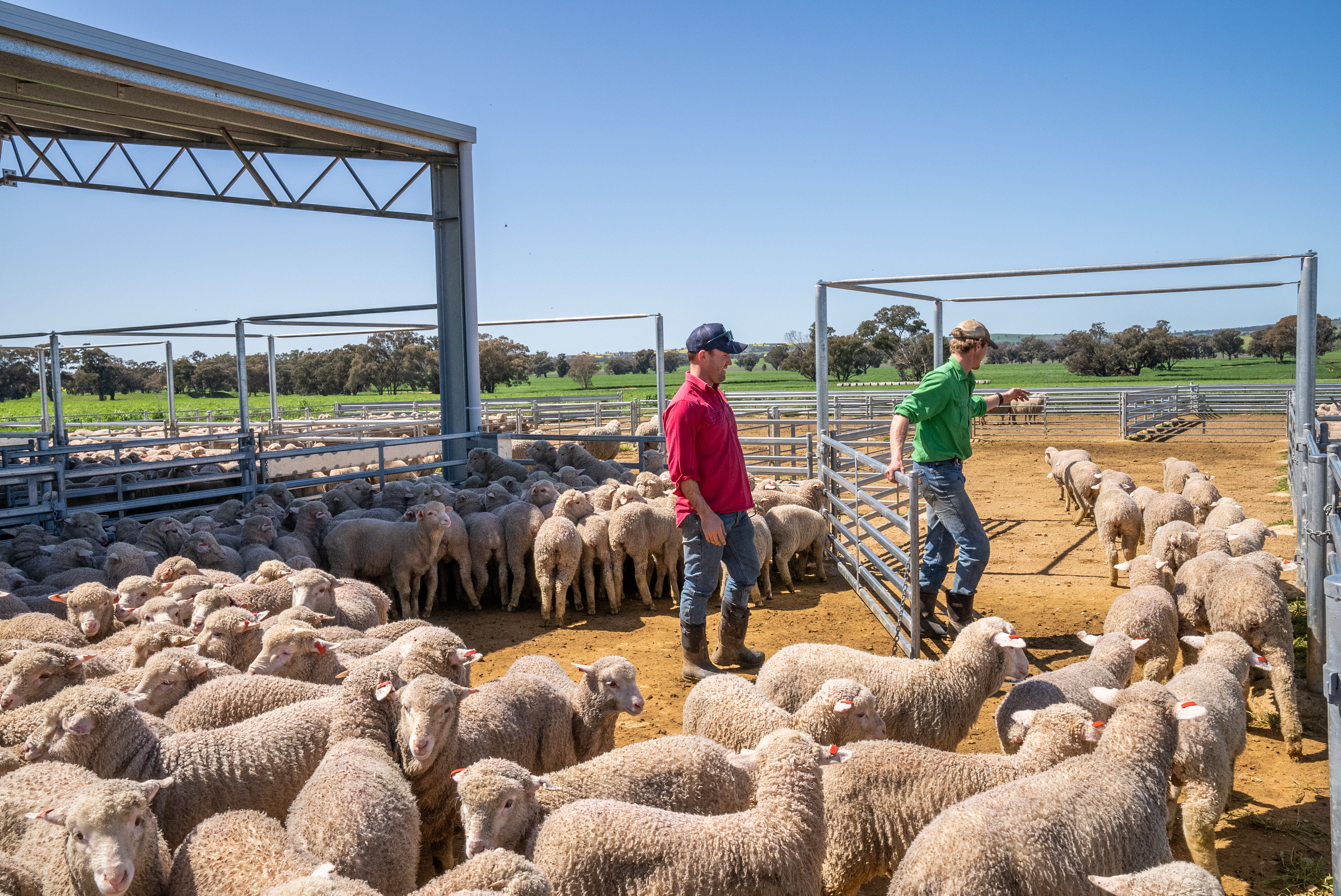
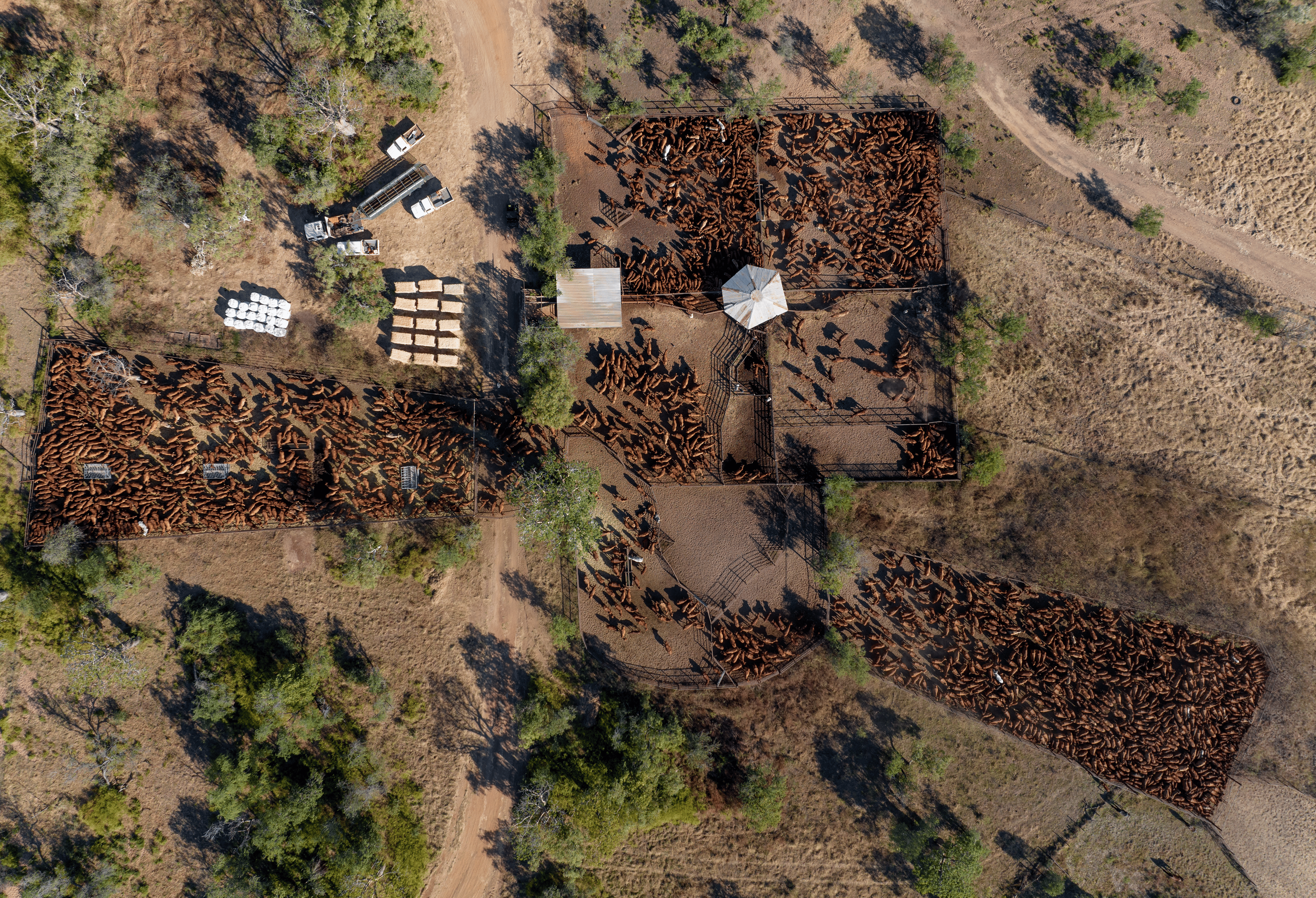
The broader operation tells you much about the stud's practices. Note paddock conditions, handling facility design, and how animals respond to human presence. Calm, well-handled stock indicate good stockmanship, which is a good sign of honest dealing.
Evaluating the Stud's Overall Breeding Philosophy
Ask what the breeder selects for and against. Their answer will tell you whether breeding objectives align with yours. A stud prioritising show-ring appearance may not suit commercial production goals. Conversely, a purely data-driven operation might overlook visual type characteristics important to your market.
Frequently Asked Questions
What is an EBV and why does it matter when selecting a stud?
An Estimated Breeding Value predicts an animal's genetic merit for particular traits based on performance records from related animals. EBVs enable objective comparison across animals that may never have been assessed under identical conditions.
How accurate are EBVs for young, unproven sires?
Young sires typically carry accuracy figures below 50%. While their EBVs indicate genetic potential, the predictions may shift as progeny performance data accumulates. Higher accuracy comes with more information.
Should I prioritise EBV data over visual assessment?
Neither alone is sufficient. Use EBVs to shortlist candidates based on genetic merit, then physically inspect those animals for structural soundness, temperament, and visual type before purchasing.
What health tests should I request before purchasing stud stock?
Requirements vary by species and region. Cattle purchases should include Pestivirus, Johne's disease, and vibriosis testing. Sheep buyers should confirm OJD status and footrot history. Always request vaccination records.
How do I verify a stud's breed society registration?
Contact the relevant breed society directly with the animal's registration number. Societies maintain databases and can confirm authenticity, pedigree details, and ownership records.
What questions should I ask about fertility and breeding soundness?
Request Bull Breeding Soundness Evaluation results for cattle or serving capacity test outcomes for rams. Ask about any previous breeding failures or returns, and clarify guarantee terms if fertility issues emerge.
Where can I find livestock studs for sale in my region?
Farmbuy's livestock listings allow you to search registered studs across Australia by species, breed, and location. Filter results to find breeders operating in your area or willing to transport.
Making Informed Stud Purchases That Strengthen Your Operation
Successful stud selection combines objective EBV analysis with practical breeder evaluation. Neither data nor visual assessment by themselves provides the complete picture.
Make sure to use the checklist framework during your next purchase. Screen candidates by EBV performance, verify health and registration documentation, inspect animals physically, and assess the breeder's practices and support offering.
The effort invested in thorough evaluation can only pay dividends across generations of improved genetics. Browse Farmbuy's livestock stud listings to connect with registered breeders across Australia and begin your search with confidence.
