















Australian Studstock Directory: How to Find Registered Cattle and Sheep Breeders
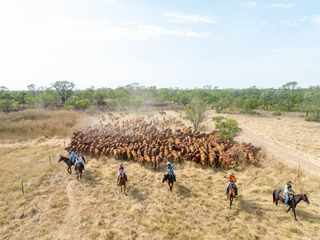

Sourcing quality breeding stock continues to be one of the most consequential decisions Australian farmers make. The genetics you introduce presently shape herd and flock performance for generations.
Yet it should be noted that finding reputable, registered breeders often involves navigating a patchwork of breed society databases, regional stud listings, and word-of-mouth recommendations. For new entrants to the livestock industry or established producers expanding into different breeds, this convoluted landscape presents real obstacles.
This guide covers how studstock directories work, where to find registered cattle and sheep breeders across Australia, and what to verify before purchasing. Platforms like Farmbuy consolidate these searches, connecting buyers with registered studs nationwide. Understanding how to use these resources effectively can save valuable time and minimise purchasing risk.
What Is a Studstock Directory and Why Does Registration Matter?
Understanding Studstock Terminology
Studstock refers to registered breeding animals documented within a breed society's herdbook or flock register. These animals have recorded pedigrees and, increasingly, performance data recorded against industry benchmarks.
Seedstock is often used interchangeably with studstock, although some producers distinguish between animals sold specifically for breeding programmes versus those retained within a stud operation.
Commercial breeding stock, by contrast, usually lacks registration. These animals may still be purebred or crossbred for specific production traits, but without documented pedigrees or Estimated Breeding Values (EBVs).
The distinction matters when genetic traceability and objective performance data influence your purchasing decisions.
The Role of Breed Societies in Australia
Australia's breed societies hold registration standards, verify pedigrees, and facilitate genetic evaluation programmes. Major cattle associations include:
- Angus Australia
- Herefords Australia
- Charolais Society of Australia
- Australian Brahman Breeders' Association
For sheep, the Australian Association of Stud Merino Breeders, Poll Dorset Association of Australia, and White Suffolk Association maintain breed registries and coordinate with Sheep Genetics Australia for performance recording.
Each society operates its own member directory and sale listings. Registration requirements vary, but generally demands parentage verification, breed standard compliance, and membership fees of anywhere from $150 to $500 annually.
Benefits of Buying Registered Breeding Stock
Registered animals offer three primary advantages over unregistered stock:
- Genetic traceability allows buyers to verify parentage and access multi-generational pedigree information. This proves essential when selecting for desired traits or avoiding inbreeding.
- Performance data through EBVs (cattle) or Australian Sheep Breeding Values (ASBVs) provides objective comparisons across animals and herds. These figures predict how an animal's progeny will perform relative to breed averages.
- Market recognition often translates to stronger resale values. Registered bulls and rams command premiums at sales, with top Angus bulls regularly exceeding $50,000 and elite Merino rams reaching six figures at auction.
Major Cattle Breed Directories in Australia
British Breed Registries
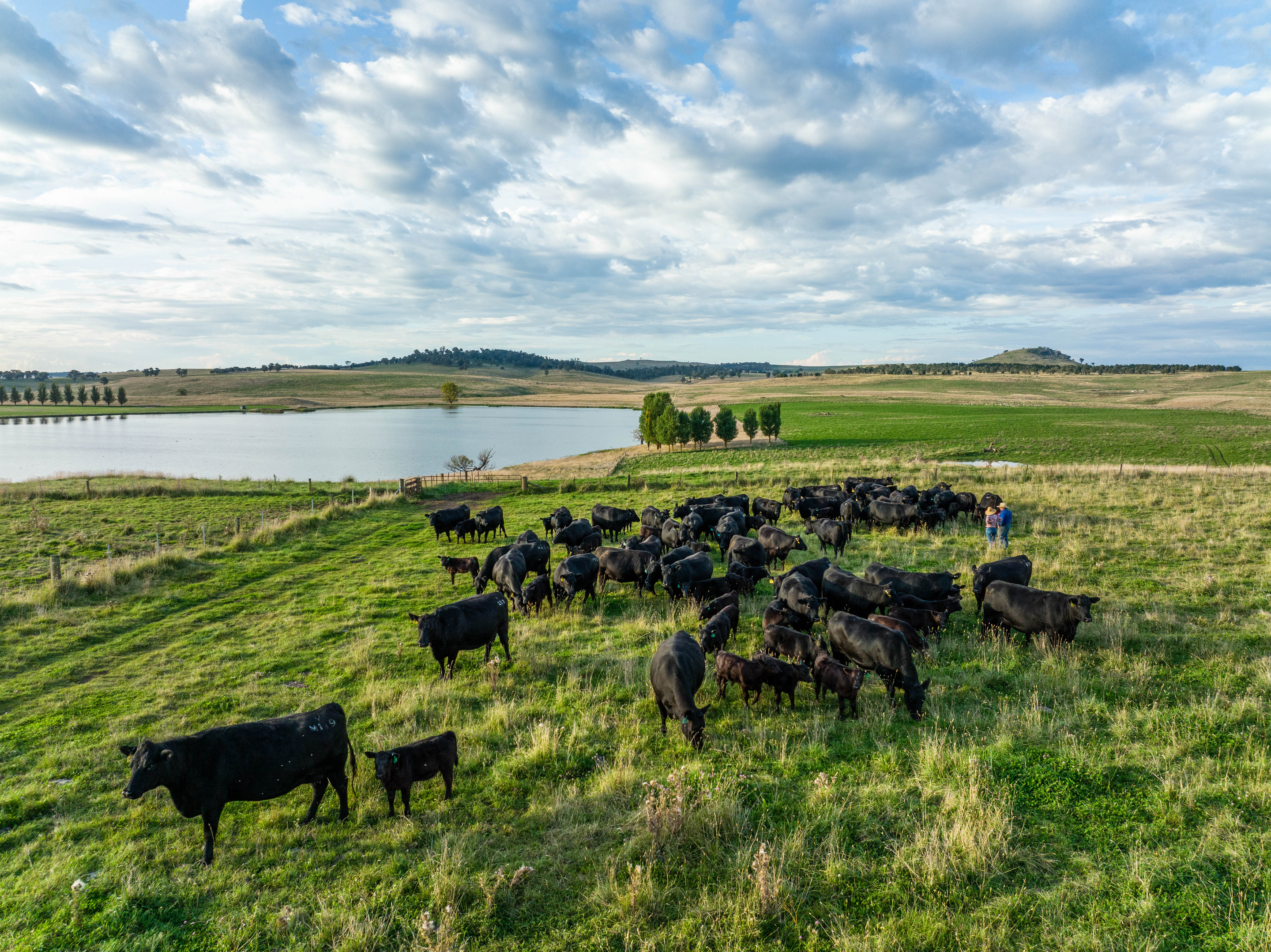
Angus Australia maintains the country's most extensive beef cattle registry, with over 3,000 members and comprehensive online search functions. Their database allows filtering by state, EBV criteria, and sale availability.
Herefords Australia and Poll Herefords Australia provide similar directory services, with member listings searchable by region. The Shorthorn Society of Australia and Murray Grey Beef Cattle Society offer smaller but well-kept registries.
Most British breed societies now integrate BREEDPLAN, Australia's genetic evaluation system for beef cattle, making performance data accessible alongside breeder contact details.
European and Tropical Breed Resources
The Charolais Society of Australia, Limousin Australia, and Simmental Australia each keep member directories with varying search functionality. European breeds are popular in southern Australia for terminal sire programmes.
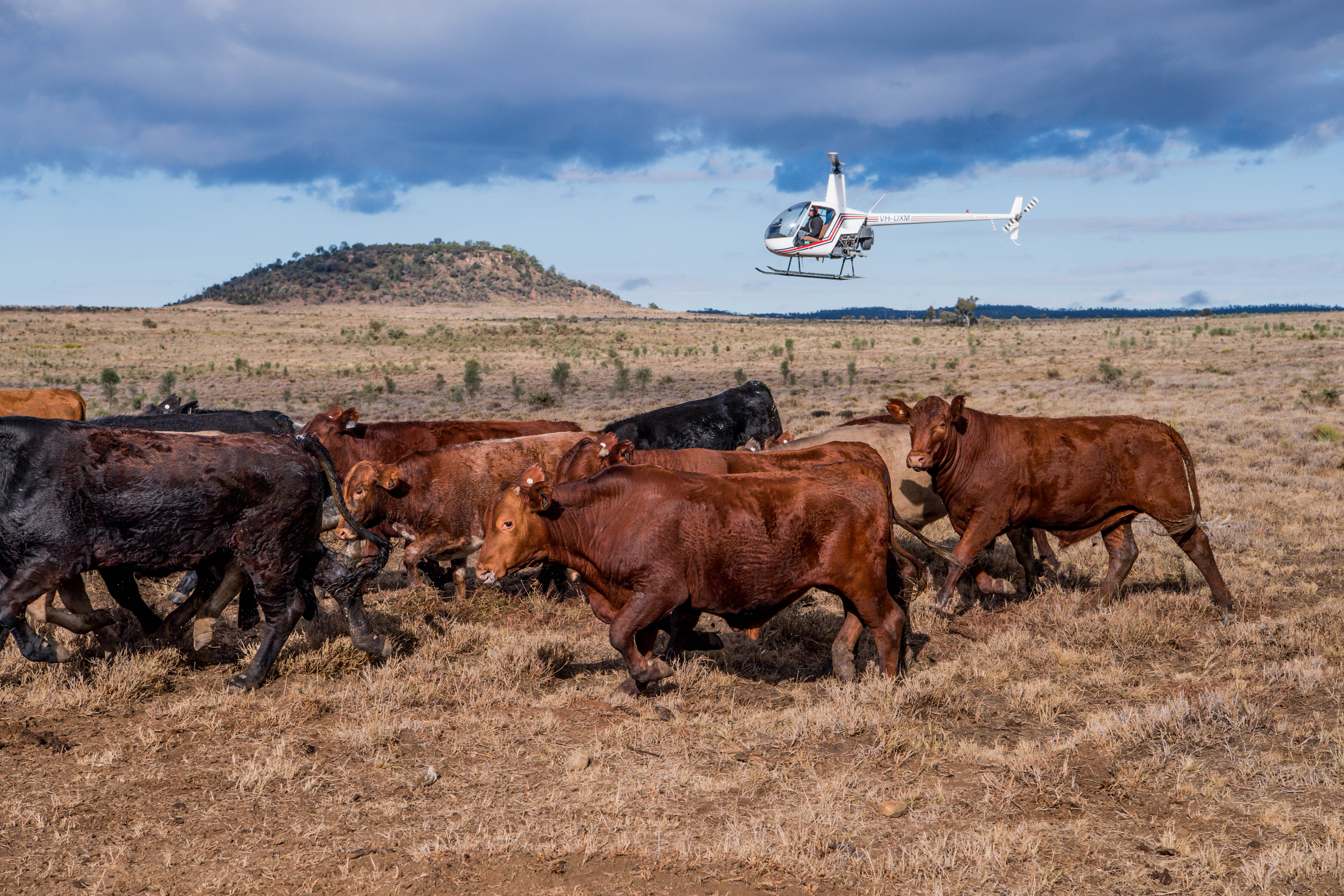
Tropical breeds dominate northern cattle production. The Australian Brahman Breeders' Association, Droughtmaster Stud Breeders Society, and Santa Gertrudis Breeders (Australia) Association offer registries suited to producers in Queensland, the Northern Territory, and northern Western Australia.
Composite breed registries, such as Brangus and Charbray societies, cater to buyers seeking stabilised crossbred genetics with breed society backing.
Using Farmbuy to Search Cattle Studs
While breed society directories serve their members well, searching across multiple breeds and regions requires visiting numerous websites. Farmbuy addresses this by aggregating livestock listings from registered breeders across Australia.
The platform's filtering options allow searches by breed, location, and price range. Many listings include direct contact details, enabling buyers to verify registration status and request additional genetic information before enquiring.
Sheep Breed Directories and Stud Flock Resources
Wool Breed Associations
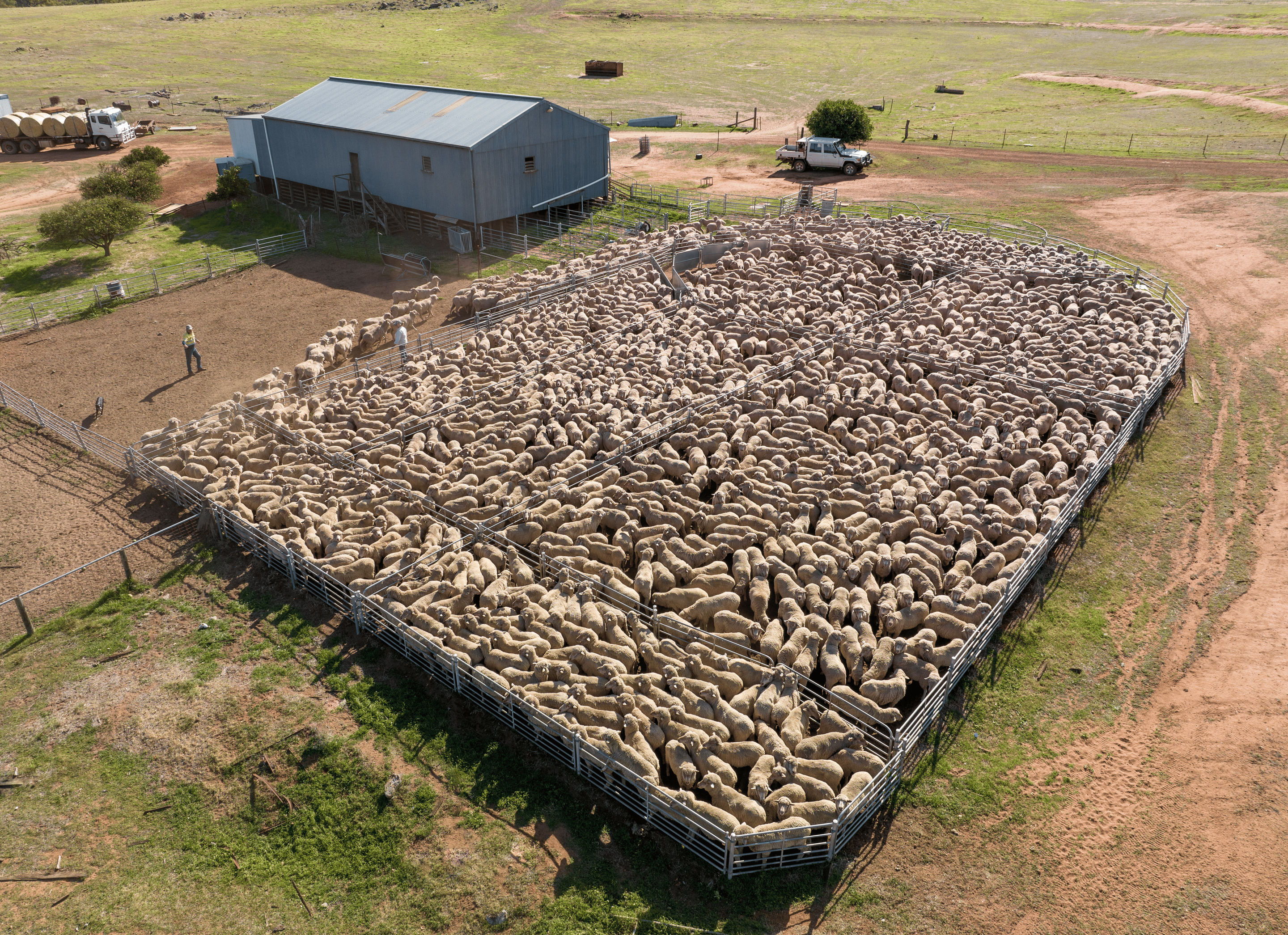
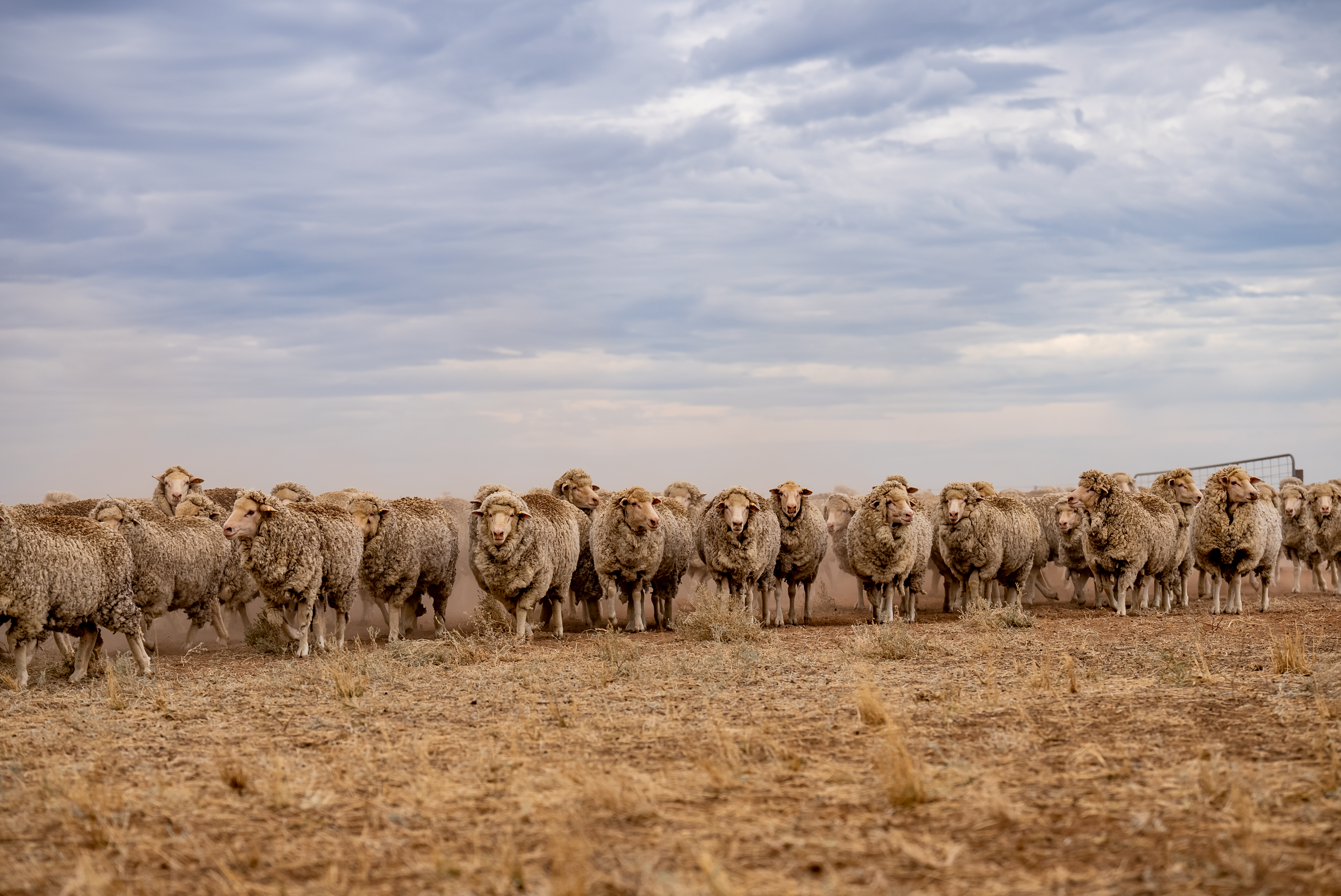
The Australian Association of Stud Merino Breeders stands as Australia's oldest and most established sheep registry. Regional affiliates in New South Wales, Victoria, South Australia, and Western Australia have state-level directories.
The Dohne Merino Breed Society of Australia and Australian White Suffolk Association provide searchable member lists for producers targeting dual-purpose or meat-focused Merino genetics.
Prime Lamb and Dual-Purpose Breed Directories
Terminal sire breeds retain active registries through the Poll Dorset Association of Australia, Texel Sheep Breeders Society, and Suffolk Sheep Society of Australasia.
Maternal breed societies, including the Border Leicester Association of Australia and Coopworth Sheep Society, provide directories for producers building self-replacing ewe flocks.
Navigating Sheep Genetics Australia
Sheep Genetics Australia (SGA) operates the national genetic evaluation system, which calculates ASBVs across participating flocks. Their online database allows searching by breed, breeder, and particular breeding values.
Cross-referencing SGA data with breed society directories helps identify breeders whose flocks demonstrate genetic progress aligned with your aims. Performance-recorded flocks guarantee significantly more purchasing confidence than visual assessment alone.
How to Evaluate Studstock Breeders Before Purchase
Verification and Credibility Checks
Confirming breed society membership only takes minutes. Most associations support online member searches, and registration certificates should accompany any animal sold as registered stock.
Review the breeder's sale history where available. Repeat buyers and consistent auction results indicate reliable breeding programmes. Many established studs welcome property inspections, so beware when facing reluctance to allow visits.
Assessing Genetic Data and Performance Records
Request EBVs or ASBVs for any animal under consideration. They should align with your production objectives, whether emphasising growth, carcase quality, maternal traits, or wool characteristics.
Pedigree documentation and health testing records should be readily available. Reputable breeders keep comprehensive records and supply them without hesitation.
Questions to Ask Registered Breeders
Before purchasing, seek clarification of the breeder's selection criteria and breeding objectives. Understanding their programme helps assess suitability to your operation.
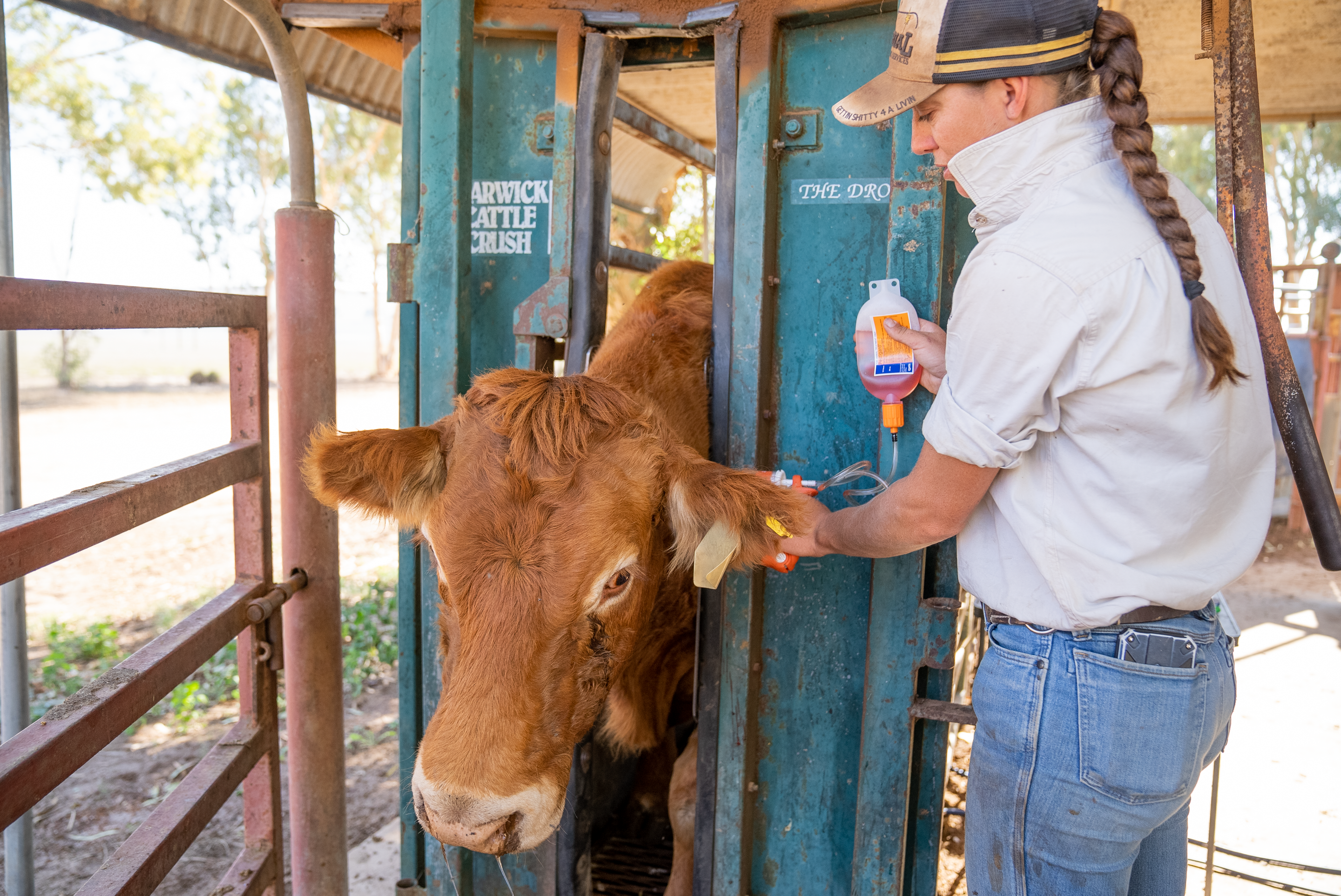
Ask about health testing protocols. For cattle, Bovine Viral Diarrhoea Virus (BVDV) and Johne's Disease testing are basic measures in quality studs. Sheep breeders should confirm Ovine Johne's Disease (OJD) status and vaccination programmes.
Establish delivery arrangements, fertility guarantees, and any after-sale support offered. Professional studs should provide straightforward terms in writing.
Regional Considerations When Sourcing Australian Studstock
Climate Adaptation and Breed Suitability
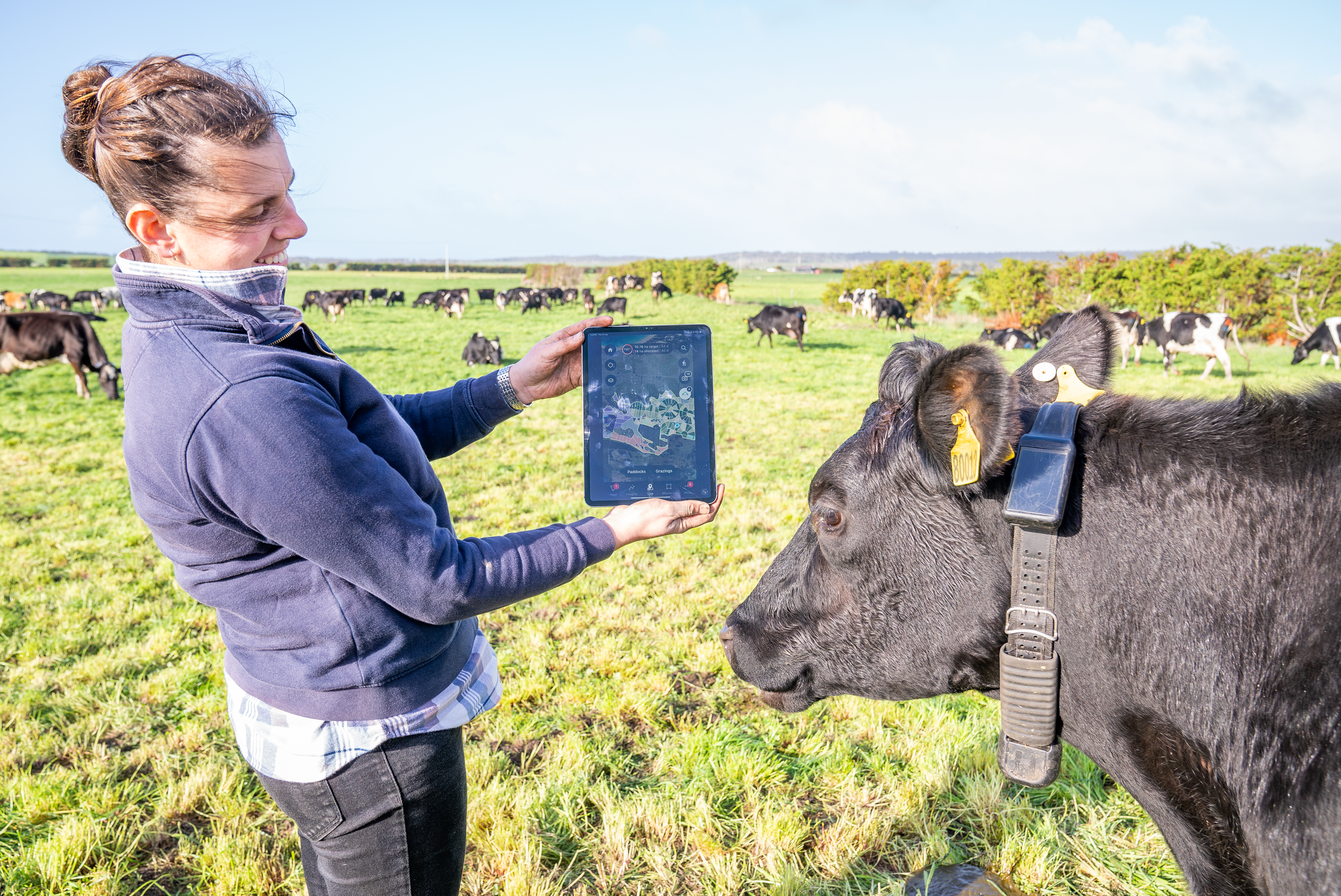
Genetics developed in temperate southern regions are likely to struggle in tropical northern environments, and vice versa. Purchasing regionally adapted stock reduces acclimatisation challenges and benefits long-term performance.
Stud concentrations vary by breed and region. Merino studs cluster in the pastoral zones of New South Wales and South Australia. Brahman and tropical composite studs dominate Queensland. Understanding these patterns assist in targeting appropriate breeders.
Finding Local Breeders Through Farmbuy
Farmbuy's location filtering identifies registered breeders within practical transport distances for you. This enables reduced freight costs and property inspections.
The platform also lists rural properties alongside livestock, which may very well be useful for expanding operations or relocating to more suitable regions.
Frequently Asked Questions
What is the difference between studstock and commercial livestock?
Studstock are registered animals with documented pedigrees maintained by breed societies. Commercial livestock lack registration but may still be purebred or crossbred for production traits.
How do I verify a breeder's registration with a breed society?
Most breed societies offer online member directories. Request registration certificates for individual animals and confirm membership directly with the relevant association.
What are EBVs and ASBVs, and why do they matter?
Estimated Breeding Values (cattle) and Australian Sheep Breeding Values predict how an animal's progeny will perform relative to breed averages. They enable objective genetic comparisons across herds and flocks.
Can I find registered breeders for rare or heritage breeds in Australia?
Yes. Societies for Belted Galloway, Lowline, Wiltipoll, and other minority breeds still support registries, though breeder numbers are smaller than mainstream breeds.
How much do registered cattle and sheep normally cost compared to commercial stock?
Registered bulls commonly sell between $8,000 and $30,000, with elite animals exceeding $100,000. Registered rams range from $1,500 to $20,000. Commercial stock typically costs 30–60% less.
What health tests should I request before purchasing breeding animals?
For cattle: BVDV, Johne's Disease, and fertility testing. For sheep: OJD status, footrot history, and vaccination records.
Does Farmbuy list registered studstock from all Australian states?
Farmbuy aggregates livestock listings nationally, including registered studs across all states and territories.
Start Your Studstock Search with Confidence
Purchasing registered breeding stock represents a significant investment in your operation's genetic future. The process demands identifying target breeds, cross-referencing breed society directories, verifying breeder credentials, and assessing available genetic data.
Centralised platforms simplify this search. Browse Farmbuy's livestock listings to connect with registered cattle and sheep breeders across Australia, and take the first step toward improving your herd or flock genetics.
