














Family Farm Guide to Building a Stud Livestock Program: From Starter to Scale

Key takeaways
- Many successful Australian studs began with just 3-5 quality foundation females
- Expect a 5-7 year timeline before a new stud program generates meaningful returns
- Foundation stock quality matters more than initial herd size
- Breed society registration and performance recording add significant value to your stock
- Starting small and scaling sustainably reduces financial risk
Building a registered stud operation might seem reserved for established properties with deep pockets. It's not. Many of Australia's respected studs began on family farms with modest foundations, accompanied by clear breeding objectives and patience.
This guide provides a practical roadmap for family farmers considering stud breeding. We'll cover honest self-assessment, breed selection, foundation stock acquisition, registration requirements, and scaling strategies. The principles remain consistent whether you're running cattle, sheep, or goats.
Platforms like Farmbuy now connect emerging breeders with established studs offering quality foundation genetics, making the barrier to entry more accessible than previous generations experienced.
Is a stud program right for your family farm?
Before purchasing your first registered animal, truthful self-examination prevents expensive mistakes. Stud breeding demands more than commercial livestock production, with rewards taking years to materialise.
Assessing your resources and commitment
Successful stud operations require more dedicated management than standard commercial practices. Consider these prerequisites:
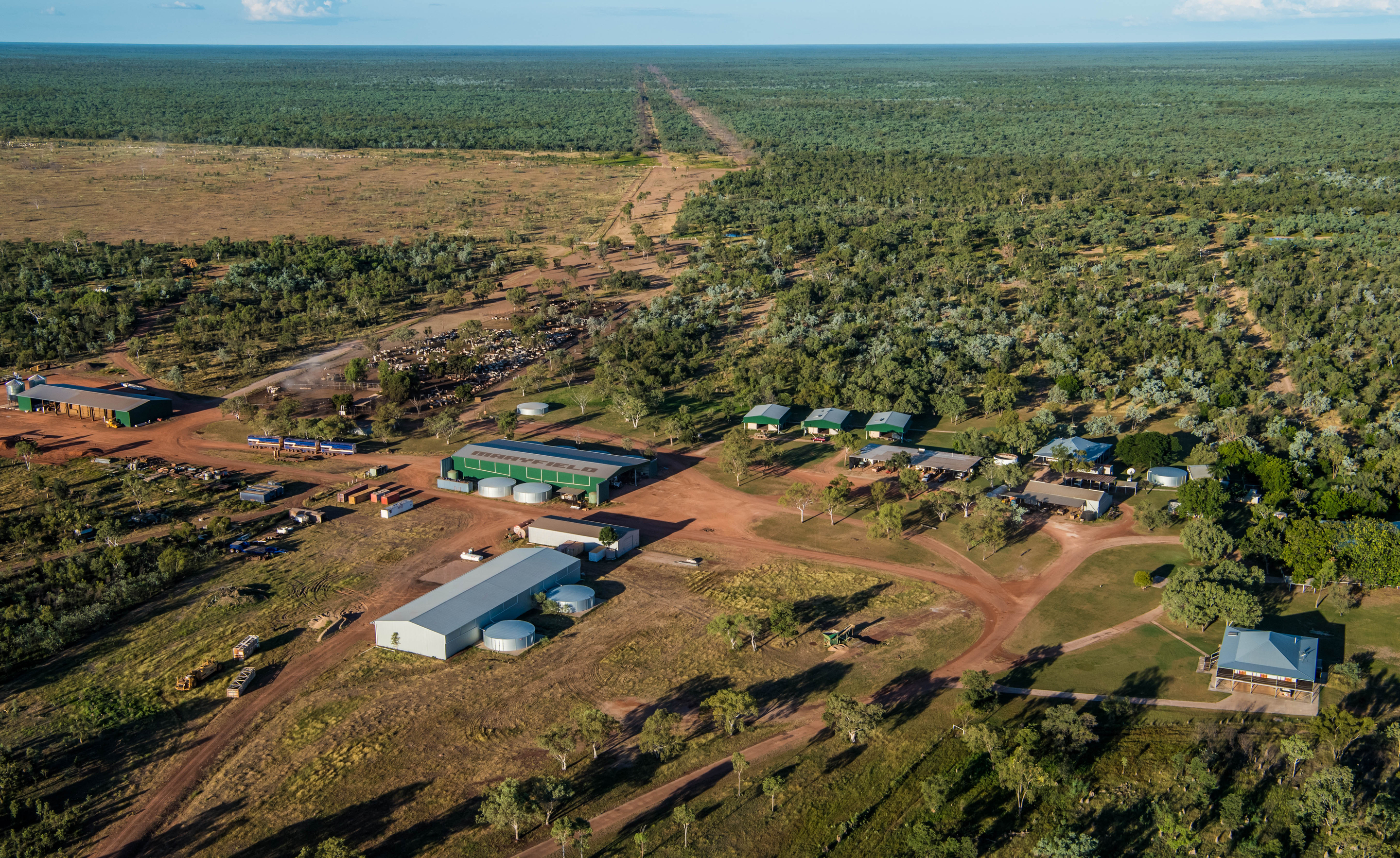
- Land and facilities. You don't need enormous acreage, but adequate carrying capacity is required for your breeding females, progeny retention, and potentially a herd sire. Quality handling facilities matter for weighing, treatments, and presenting stock to buyers.
- Time commitment. Stud management involves performance recording, pedigree documentation, photography, buyer enquiries, and breed society compliance. These key tasks don't get lighter during busy seasons.
- Existing experience. Commercial livestock experience provides essential foundations. Having an understanding of animal husbandry, breeding cycles, and market dynamics prepares you for stud-level decisions.
- Family involvement. The most sustainable family studs involve multiple generations of a family. Children learning to prepare and present animals creates succession pathways and shared purpose.
Understanding the economics of stud breeding
Realistic financial expectations prevent disappointment. Entry costs vary dramatically by species and breed:
- Cattle studs range from $15,000-$50,000 on average initially for foundation females, depending on breed and quality. Premium genetics naturally cost more, but accelerate progress.
- Sheep studs can start with lower capital. Quality foundational ewes may cost $500-$2,000 each, making entry more accessible.
- Ongoing costs include breed society membership ($100-$300 annually), animal registration fees ($15-$50 per head), performance recording subscriptions, marketing expenses, and genetic improvement through sire purchases or AI (Artificial Insemination) programs.
- The timeline reality. Most new studs take 5-7 years before generating profit of any note. Your first progeny won't sell until year two or three at the earliest, and reputation-building will take longer. Make sure to factor this in financially.
Identifying your market position and breeding objectives
Clarity here prevents costly course corrections later. Ask yourself:
- Who are your target buyers? Commercial producers wanting herd bulls? Other studs seeking genetics? Or will it be show ring competitors? Different markets demand different traits and presentation standards.
- What traits will define your program? Fertility and docility for commercial markets? Structural correctness for show success? Or select performance traits like growth or carcase quality?
- What's your competitive advantage? Perhaps your location serves an underserviced region. Maybe your breed choice faces less competition, or your family's expertise in particular traits creates differentiation.
Write your breeding objectives down and review them before every purchasing or mating decision.
Choosing your breed and building foundation stock
Your breed choice and foundation female quality determine everything that follows. They deserve meticulous research and patience.
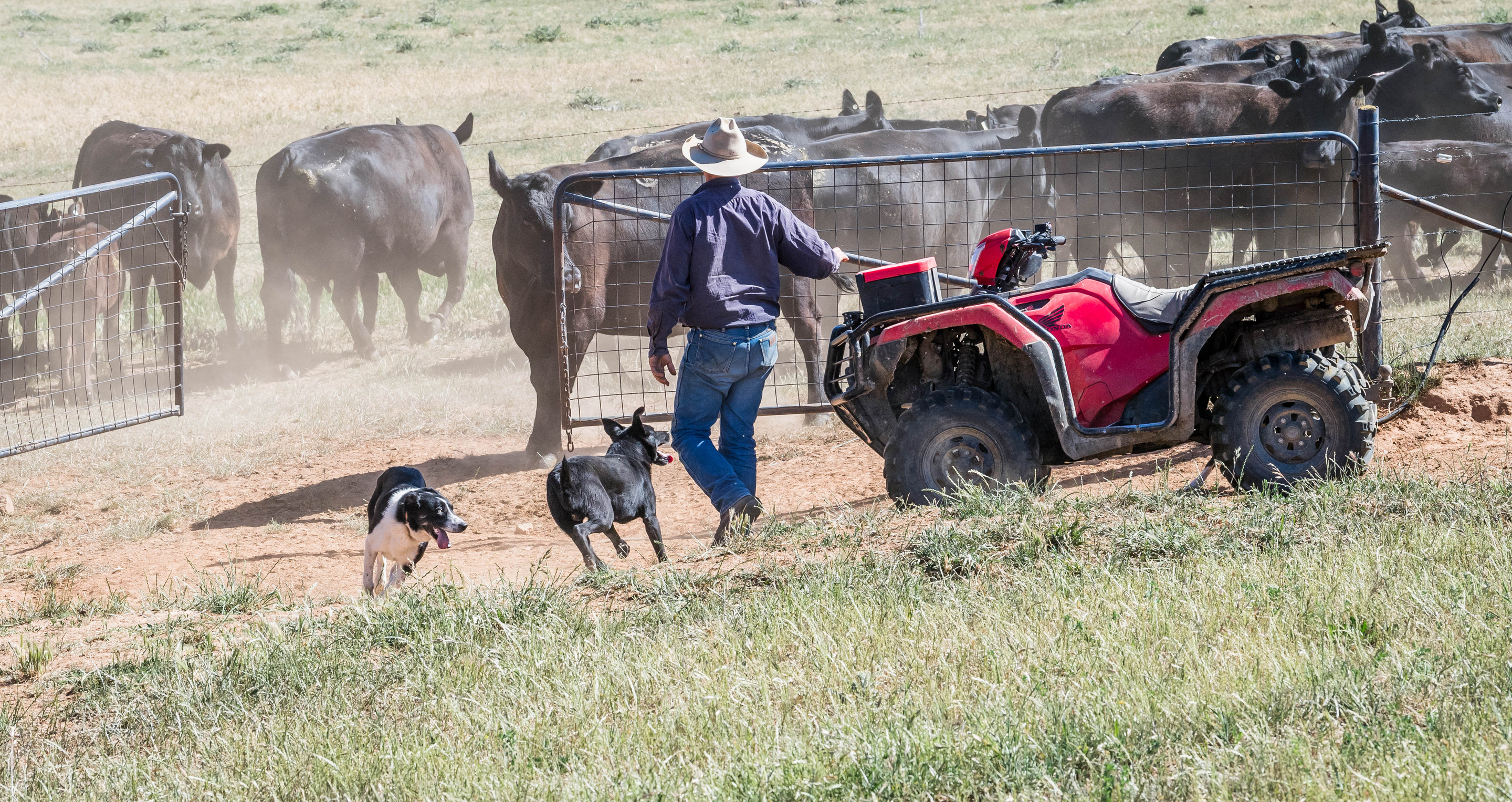
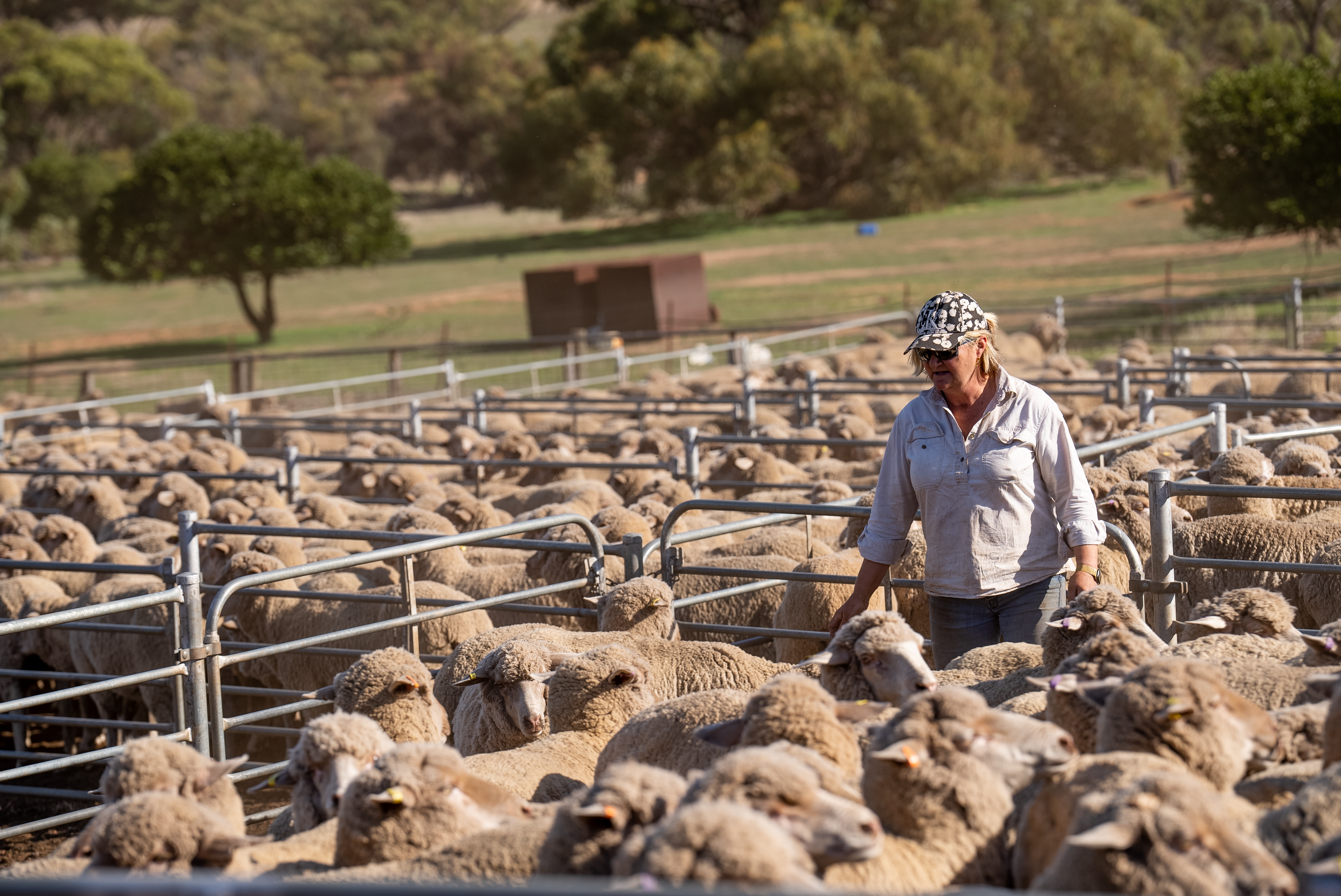
Selecting a breed that matches your goals and environment
Consider these factors when choosing your breed:
- Climate suitability. Across Australia's diverse environments, suitability with different breeds vary. British breeds suit temperate regions, whilst tropically-adapted breeds thrive in northern Australia. Match genetics to your conditions.
- Regional market demand. Research what commercial producers in your area purchase. A breed with strong local demand provides readier buyers, removing the need for interstate marketing.
- Competition levels. Mainstream breeds like Angus or Poll Hereford offer proven demand, but significant competition. Less common breeds may provide easier market entry, but smaller buyer pools.
- Personal connection. You'll have to dedicate years to building this program. A genuine interest in your chosen breed sustains motivation through challenging periods.
Sourcing quality foundation females
Your foundation females determine long-term herd quality more than any other decision. Prioritise quality over quantity, for three excellent cows outperform ten average ones.
Where to source foundation stock:
- Dispersal sales often offer quality females from retiring breeders at reasonable prices
- Established studs that are reducing their numbers may sell proven breeders privately
- Marketplace platforms like Farmbuy allow comparison of foundation stock from multiple vendors across Australia
What to evaluate in foundation females:
- Structural soundness in feet, legs, udder, and overall conformation
- Fertility history reveals proven breeders, which reduce risk compared to maidens
- Pedigree depth with consistent quality across generations
- Genetic data including EBVs where available
- Temperament suitable for family farm handling
Inspect animals personally whenever possible. Photos and videos are helpful, but shouldn't replace hands-on assessment.
Selecting your first herd sire or AI program
Your sire genetics forms the basis of genetic progress. New studs face a choice: purchase a bull, use artificial insemination (AI), or combine both approaches.
Purchasing a herd sire provides simplicity and natural mating options. However, quality registered bulls cost $8,000-$30,000 or more. For small starter herds, this capital could be better used to purchase additional foundation females instead.
Artificial insemination programs offer access to elite genetics without major capital outlay. AI sires with proven progeny provide predictable outcomes. Straws from top sires cost $20-$100 each. This is far less compared to purchasing equivalent genetics outright.
A combined approach works best in many cases. Elite genetics through AI can be reserved for your best females, while a modest herd sire can cover the remainder. This balances genetic progress with practical mating management.
Registration, compliance, and breed society membership
Formal registration transforms your livestock into documented seedstock with verified pedigrees. This will involve your breed society and ongoing compliance requirements.
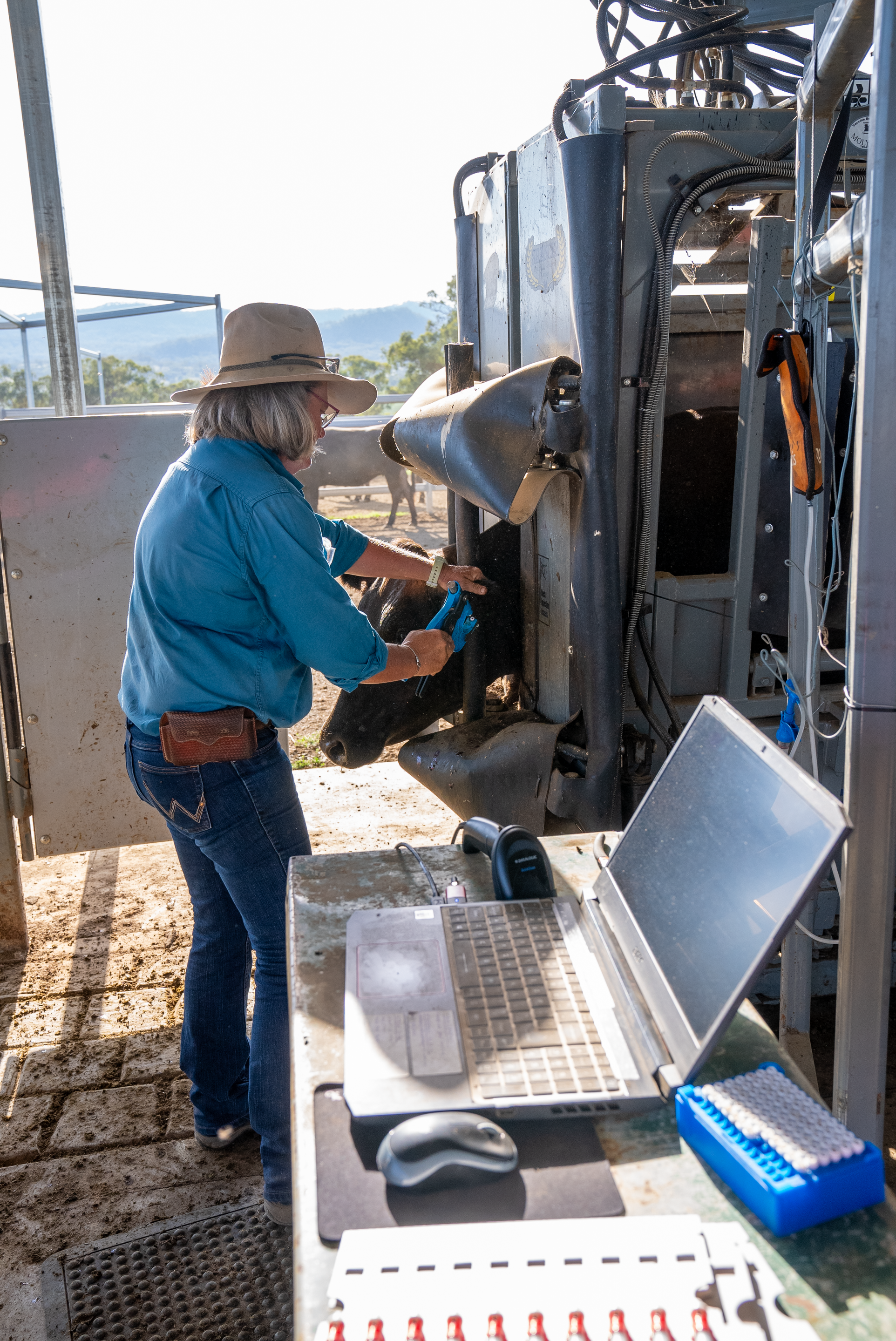
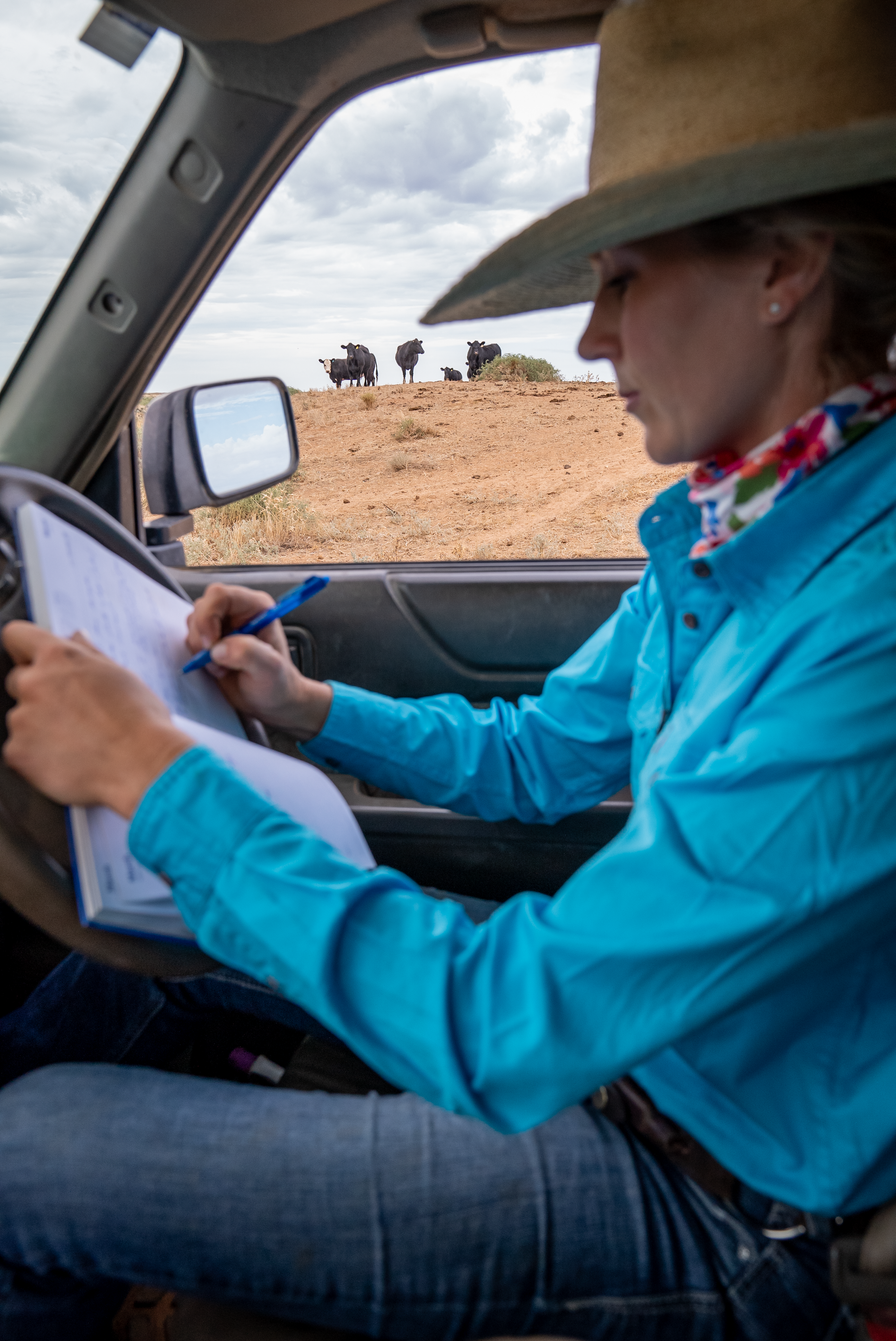
Joining your breed society and registering a prefix
Every registered stud needs a prefix (the unique identifier appearing before each animal's name). Your prefix shapes your brand identity, so choose something memorable and meaningful.
The registration process typically involves:
- Applying for breed society membership (most require membership before registering animals)
- Submitting prefix applications with several name options (your first choice may already been taken)
- Paying membership fees ($100-$300 annually on average)
- Completing transfer documentation for purchased foundation stock
Per-animal registration fees range from $15-$50 depending on breed and society. Some societies offer reduced fees for animals registered within certain timeframes after birth.
Performance recording and genetic evaluation programs
Modern stud breeding increasingly relies on objective genetic data. BREEDPLAN and similar evaluation systems analyse performance records to calculate estimated breeding values (EBVs) for economically relevant traits.
Why performance recording matters:
- Buyers increasingly demand genetic data
- EBVs enable informed mating decisions for genetic improvement
- Performance-recorded herds command premium prices
- Data identifies your herd's strengths and weaknesses objectively
Getting started with performance recording:
- Contact your breed society about BREEDPLAN or equivalent programs
- Invest in accurate weighing equipment
- Establish consistent recording protocols from day one
- Submit data regularly to maintain current EBVs
Studs without performance data face growing market disadvantages as buyers become more discerning.
Meeting registration standards and documentation requirements
Thorough record-keeping from the start prevents problems later. Registration requirements normally include:
- DNA parent verification has become standard for most breeds. Collect samples at calf or lamb marking and submit promptly.
- Physical inspections apply to some breeds, with society classifiers assessing animals against breed standards.
- Accurate birth records including dates, sire and dam identification, and any calving difficulties.
- Transfer documentation for every animal entering or leaving your herd.
Invest in good record-keeping systems. This can be done with digital software or well-organised physical records. Reconstructing incomplete records years later will prove difficult and costly.
Scaling your stud program sustainably
Growth should follow success, not precede it. Sustainable scaling maintains quality in concert with building capacity.
Growing your female base strategically
Resist the temptation to expand too rapidly. Quality must remain the priority over numbers.
Options for growing your breeding herd:
- Retain quality females from your own breeding program. Sometimes, your best genetics are already on your property
- Purchase additional foundation stock selectively when exceptional opportunities arise
- Embryo transfer can accelerate genetic progress by producing multiple progeny from elite females
A practical growth timeline:
- Years 1-3: Establish foundation herd, focus on breeding and recording
- Years 3-5: Retain best females, begin selling surplus progeny
- Years 5-7: Selective expansion based on demand and proven results
- Years 7+: Sustained growth matching market opportunities
Upgrading genetics through targeted sire selection
Each sire selection decision shapes your herd's genetic direction. It is crucial to have a strategic approach to these choices.
Analyse your herd objectively. Identify consistent weaknesses, such as structure, milk production, or growth rates. Select sires that address specific deficiencies rather than chasing fashion.
Use EBVs effectively. Compare sire options by utilising genetic data relevant to your breeding objectives. Balance trait improvement against maintaining strengths.
Consider proven versus unproven sires. Progeny-tested sires will give you predictable outcomes. Meanwhile, young sires potentially offer superior genetics, but carry more risk.
Diversify your genetics. Using a single sire across all females concentrates risk. The addition of AI programs enable cost-effective access to multiple sire lines.
Infrastructure investment as you grow
Facilities should match your program's scale, not exceed it. Staged investment aligned with growth prevents overcapitalisation.
Early-stage essentials:
- Functional handling facilities for safe animal management
- Accurate weighing equipment for performance recording
- Adequate fencing for breeding group management
As you scale:
- AI facilities if pursuing intensive reproductive programs
- Presentation areas for buyer visits and inspections
- Photography setup for marketing purposes
- Loading facilities for efficient dispatch
Invest in infrastructure that improves animal welfare, work safety, and operational efficiency. Cosmetic improvements can wait until your cash flow supports them.
Marketing and selling your stud livestock
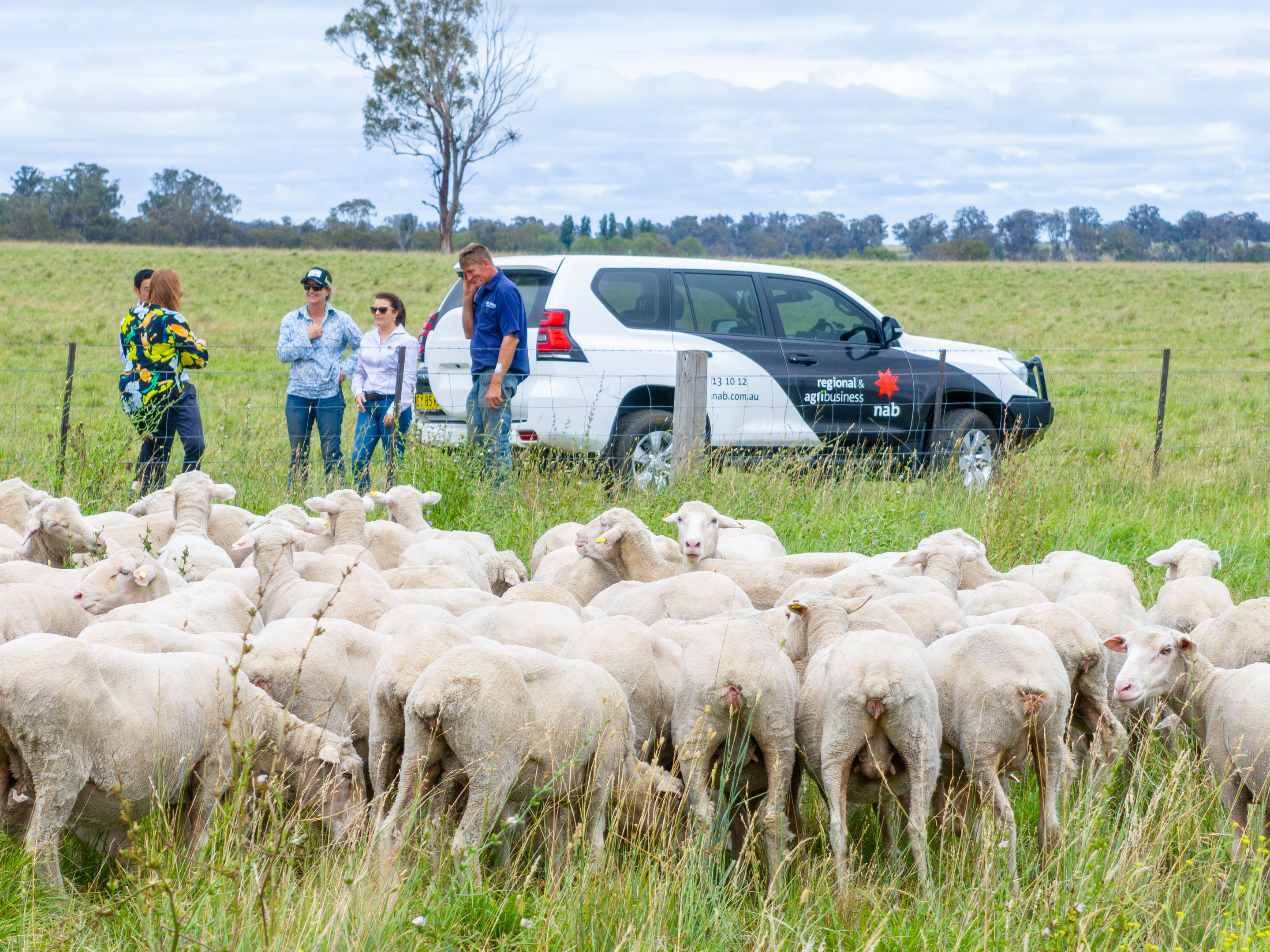
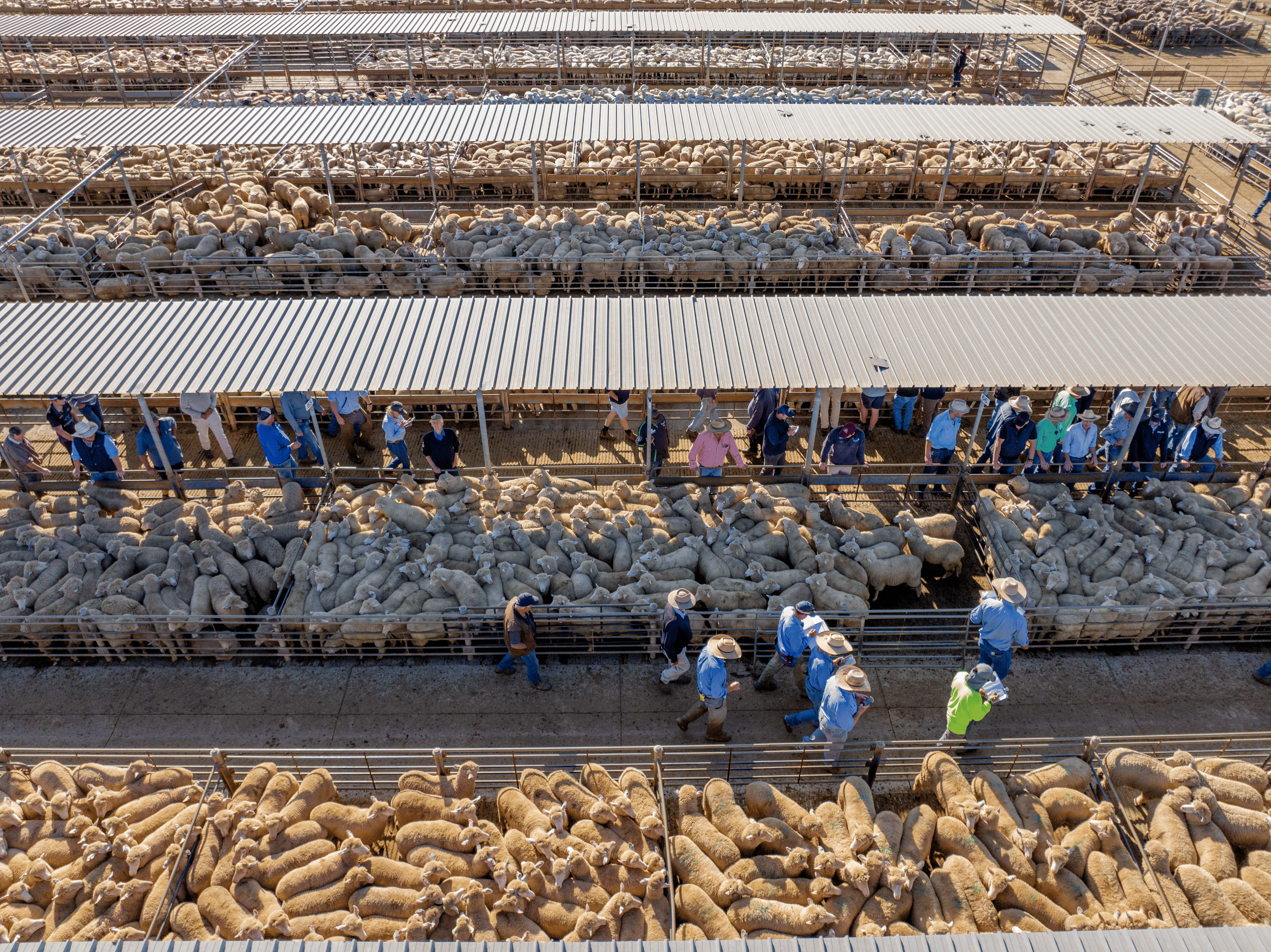
Producing quality stock means nothing if buyers are unaware of them. Marketing builds awareness and reputation builds premium pricing.
Building your stud's reputation and brand
Reputation develops through consistent quality and buyer satisfaction over time. There are ways to accelerate this process.
Breed society involvement. Attend events, volunteer for committees, and engage with fellow breeders. Network connections prompt early sales and referrals.
Show ring success provides independent validation of stock quality. Strategic showing builds visibility, particularly in your program's early years.
Field days and open days invite potential buyers onto your property. Seeing your operation firsthand builds confidence in your program.
Social media presence showcases your stock to audiences beyond your local region. Regular posting of quality content and breeding updates grows visibility.
Standing behind your stock with clear warranties and responsive support when buyers have questions or concerns. Your reputation is contingent on how you handle problems, not just successes.
Sales channels for stud progeny
Multiple sales channels minimise risk and reach different buyer segments.
On-property sales offer control over presentation and direct buyer relationships. However, they require marketing investment to attract sufficient interest.
Multi-vendor sales through breed societies or regional groups provide established buyer attendance, but limit the prominence of individual vendors.
Online marketplaces like Farmbuy facilitate family studs with exposure to buyers throughout the nation, connecting you with a greater array of producers.
Private treaty sales suit relationship-based selling where reputation drives enquiry. Lower overhead is a given, but consistent marketing effort will be a burden to take on.
Most successful studs utilise multiple channels depending on stock type and market conditions.
Pricing your stock and managing buyer relationships
Pricing requires balancing fair value with market realities.
Factors affecting stud livestock prices:
- Genetic merit demonstrated through EBVs and visual assessment
- Pedigree depth and notable ancestry
- Your stud's reputation and track record
- Current market conditions and demand
- Presentation quality and preparation standard
Start competitively. New studs without established reputations shouldn't expect premium prices immediately. Competitive pricing builds buyer relationships and generates testimonials.
Long-term relationships matter more than individual sale prices. Repeat customers and referrals build sustainable stud businesses. Treat every buyer as a potential long-term client.
Follow up after sales. Check how animals perform in their new homes. This fosters relationships and provides valuable feedback on your breeding decisions.
Frequently asked questions
How much does it cost to start a small stud livestock program in Australia?
Entry costs vary by species and breed. Cattle studs typically require $15,000-$50,000 for quality foundation females, plus ongoing costs for registration, recording, and genetic improvement. Sheep programs can start with lower capital. Budget for 5-7 years before expecting meaningful returns.
How long before a new stud program becomes profitable?
Most studs take 5-7 years to generate consistent profits. Your first saleable progeny won't reach market until year two or three, and reputation-building takes additional time. Plan financially for this timeline.
Can I start a stud with commercial-bred females?
No. Registered studs require registered foundation stock with documented pedigrees. You can upgrade commercial herds using registered sires, though the resulting progeny cannot be registered without a registered dam.
What's the minimum number of animals needed to start a registered stud?
Practical considerations suggest starting with 5-10 quality females. They’ll provide adequate genetic diversity and reasonable scale. Some successful studs began with even fewer, although with exceptional animals.
Do I need to show livestock to run a successful stud?
No, but showing provides valuable exposure and independent quality validation. Many successful studs never show, while others build reputations primarily through show ring success. Choose the approach matching your goals and interests.
How do I choose between purchasing a herd sire and using artificial insemination?
Consider your herd size, capital availability, and breeding objectives. Small starter herds tend to benefit more from AI access to superior genetics. Larger operations may justify herd sire purchases. Many studs combine both approaches strategically.
What ongoing costs should I budget for after establishing my stud?
Annual costs include breed society membership ($100-$300), per-animal registration fees ($15-$50), performance recording subscriptions, semen purchases if using AI, marketing expenses, and veterinary costs for breeding soundness testing.
Taking your first steps toward stud breeding success
Building a stud program rewards patience, planning, and commitment to quality. Success doesn't require corporate resources, just clear objectives, quality foundation stock, and sustainable scaling.
Your next steps:
- Research breeds matching your environment, interests, and target market
- Contact relevant breed societies about membership and registration needs
- Attend sales and studs visits to evaluate foundation stock options
- Develop realistic budgets covering establishment and ongoing costs
- Connect with experienced breeders willing to mentor newcomers
Ready to explore foundation genetics for your family stud program? Browse Farmbuy's livestock listings to discover quality females and herd sires from established breeders across Australia. Your stud's foundation starts with finding the right stock.
