















Protecting Australian cattle from three-day sickness - why vaccination is your best investment against Bovine Ephemeral Fever (BEF)
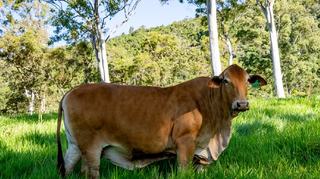

Bovine Ephemeral Fever, more commonly known as three-day sickness, can devastate herds, cripple productivity and erode profits, but there is an easy prevention, vaccination with Zoetis' Ultravac BEF vaccine. Picture supplied
This is branded content for Zoetis
The summer months are a critical time for the Australian cattle herd's production system, but every year, producers face a formidable threat: Bovine Ephemeral Fever (BEF), more commonly known as three-day sickness.
This viral disease doesn't just cause a few days of discomfort - it can devastate herds, cripple productivity, and erode profits. Fortunately, there is an easy prevention: vaccination with Zoetis' Ultravac BEF vaccine.
Let's explore why vaccination is not just a wise choice, but an essential one for the productivity of your herd during summer this year.
The threat of three-day sickness: more than just a fever
Spread primarily by mosquitoes - especially after summer rains - BEF can strike any cattle, regardless of age although exposure to the virus as a calf in northern Australia often limits the disease to younger age groups of cattle.
This prior exposure varies for a range of reasons however and is variable, especially after a run of dry years when mosquito numbers are low. Its impact is typically most severe in heavy beef animals and high-producing dairy cows, but younger cattle have been impacted in recent outbreaks with losses of five to 10 per cent being documented in well grown yearling cattle in affected mobs in central Queensland.
The disease is marked by a rapid onset of symptoms: a biphasic fever (i.e. two peaks occur) above 40°C, with the severe inflammatory response the virus triggers resulting in muscular stiffness, lameness and animals going down. A sharp drop in milk production (sometimes by 50 per cent or more) often marks disease onset in dairy cows.
Bulls may suffer temporary infertility (up to three months), and both cows and heifers risk abortions and mismothered calves while dealing with the disease. Recovery typically occurs three days after first signs are noted, hence the name three-day sickness with most affected animals making what appears to be a full recovery and a death loss of around one per cent often quoted.
However, one aspect of the disease that has only recently been understood is the ability of the BEF virus to damage the nervous system of cattle. This syndrome has been recognised since the late 1960's and seems to be more prevalent in some outbreaks than others.
Affected cattle remain down or have difficulty walking after recovery, with the staggery gait affecting their ability to forage and making them not "fit to load". In severe outbreaks, up to five to 10 per cent of affected mobs have died or been unsuitable for trucking.
But the productivity impacts don't stop with individually affected animals. These outbreaks extend to lost weight gain, reduced fertility, problems with mustering and missed sales opportunities. For dairy producers, while the sudden loss in milk yield hits the bottom line immediately, recovered cows do not return to full production for the remainder of their lactation.
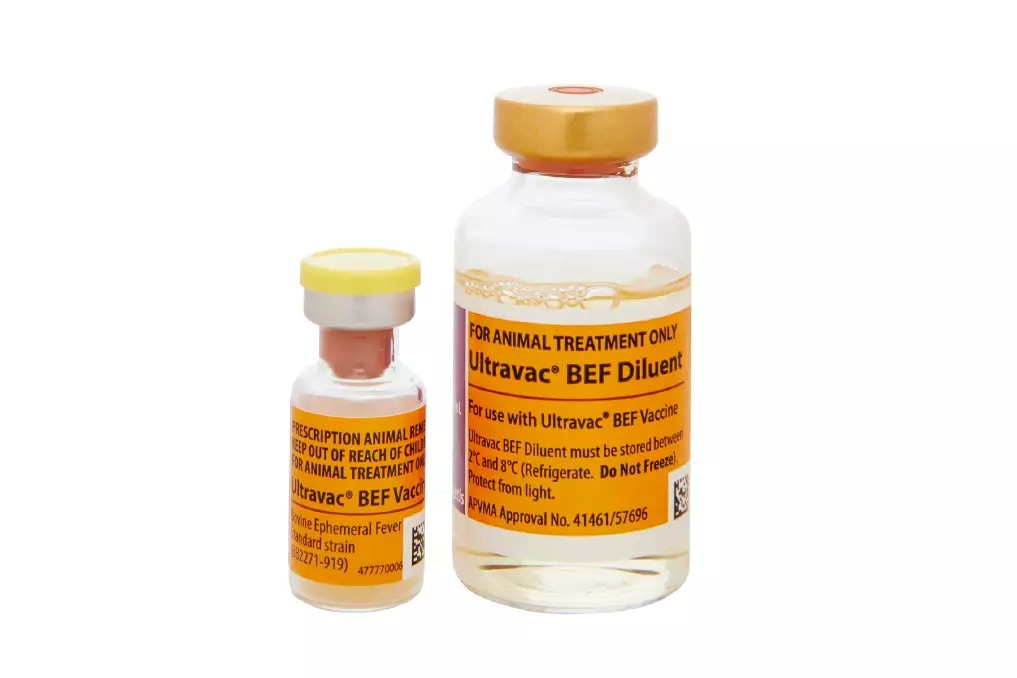
Early vaccination means your herd is protected before the first biting insects appear, reducing the risk of costly outbreaks. Picture supplied
Prevention is profitable: the case for vaccination
BEF is seasonally widespread across northern Australia and the eastern states, it may occasionally spread as far south as northern Victoria and the south coast of New South Wales. Given the destructive potential of BEF, prevention is far more cost-effective than treatment.
Anti-inflammatory drugs and intensive husbandry activities can help affected animals, but these measures are reactive, not proactive and only deal with the inflammation, having little impact on animals with nervous system damage. The true game-changer is vaccination. Zoetis' Ultravac BEF vaccine is designed specifically for this insidious disease.
The vaccination program is straightforward:
- Primary Course: Two doses, 2mL each, given subcutaneously to cattle from six months of age, spaced two weeks to six months apart. One dose alone is not sufficient for unvaccinated animals.
- Annual Boosters: A single 2mL booster before each risk season ensures ongoing immunity.
- Integration: BEF vaccination can be seamlessly integrated into your existing annual health management schedule.
Vaccination is especially critical before the "at risk" periods - typically spring in northern Australia. With the disease spreading south as summer progresses, timing of vaccination can be adjusted accordingly. Early vaccination means your herd is protected before the first biting insects appear, reducing the risk of costly outbreaks.
Practical guidance: making vaccination easy
The Ultravac BEF vaccine must be handled with care: keep it cool (2-8°C), protect from light, and use clean, sharp needles for administration. The vaccine comes in a freeze-dried presentation to ensure maximum potency at the time of use. It is then mixed on the day of use and used promptly after preparation. Subcutaneous injection in the side of the neck is recommended, and attention to hygiene is required as with all injectable products.
It is best to mix vaccine sufficient to vaccinate each mob of animals prior to commencing vaccination to avoid mixing errors. Mixed up vaccine should be stored in a portable cooler prior to use. For added convenience, Zoetis offers a 25mL repeater vaccinator that holds a full bottle of mixed-up vaccine (10x2 mL doses) These practical tools make the vaccination process efficient and safe, supporting producers in protecting their herds.
The bottom line: secure your herd, secure your future
Three-day sickness is unpredictable, but your response doesn't have to be. With the Ultravac BEF vaccine, you can dramatically reduce the risk of losses due to BEF. The investment in vaccination pays dividends in the form of healthier cattle, stable production, and peace of mind.
Don't wait for BEF to strike. Consult your veterinarian or contact Zoetis to implement a vaccination program tailored to your herd by calling 1800 814 883 or emailing productsupport.au@zoetis.com
Protect your cattle, your business, and your time by vaccinating against BEF with Ultravac BEF vaccine.
For more information, visit zoetis.com.au or speak to your local vet today.
- Ultravac is a registered trademark of Zoetis
References: Parkinson TJ et al., 2010, Diseases of cattle in Australasia, VetLearn, Wellington, 727-29. animalhealthaustralia.com.au/our-publications/namp-report
This is branded content for Zoetis
