















Australian Livestock Stud Warranties and Guarantees: Essential Protection for Buyers
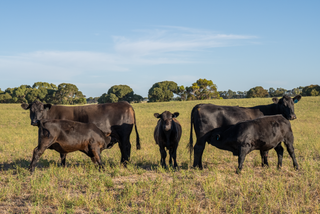

Purchasing stud livestock is one of the most significant investments in the Australian agricultural industry. A quality bull can cost anywhere from $10,000 to well over $200,000. Rams, stallions, and other breeding stock require similar financial commitments.
In spite of this, many buyers enter these transactions without a full understanding of their warranty protections. Verbal assurances and written guarantees carry drastically different legal weight. Knowing the difference can prevent exorbitant mistakes, or even save your entire breeding programme.
This guide explains what Australian livestock warranties actually cover, your legal rights as a buyer, and the due diligence steps that separate confident purchasers from vulnerable ones. Whether you're browsing Farmbuy's livestock listings or attending an on-property sale, understanding these protections is essential.
What livestock stud warranties actually cover
Warranties in stud livestock sales typically address three key areas: fertility, structural soundness, and genetic accuracy. Each carries specific conditions and timeframes that buyers must understand.
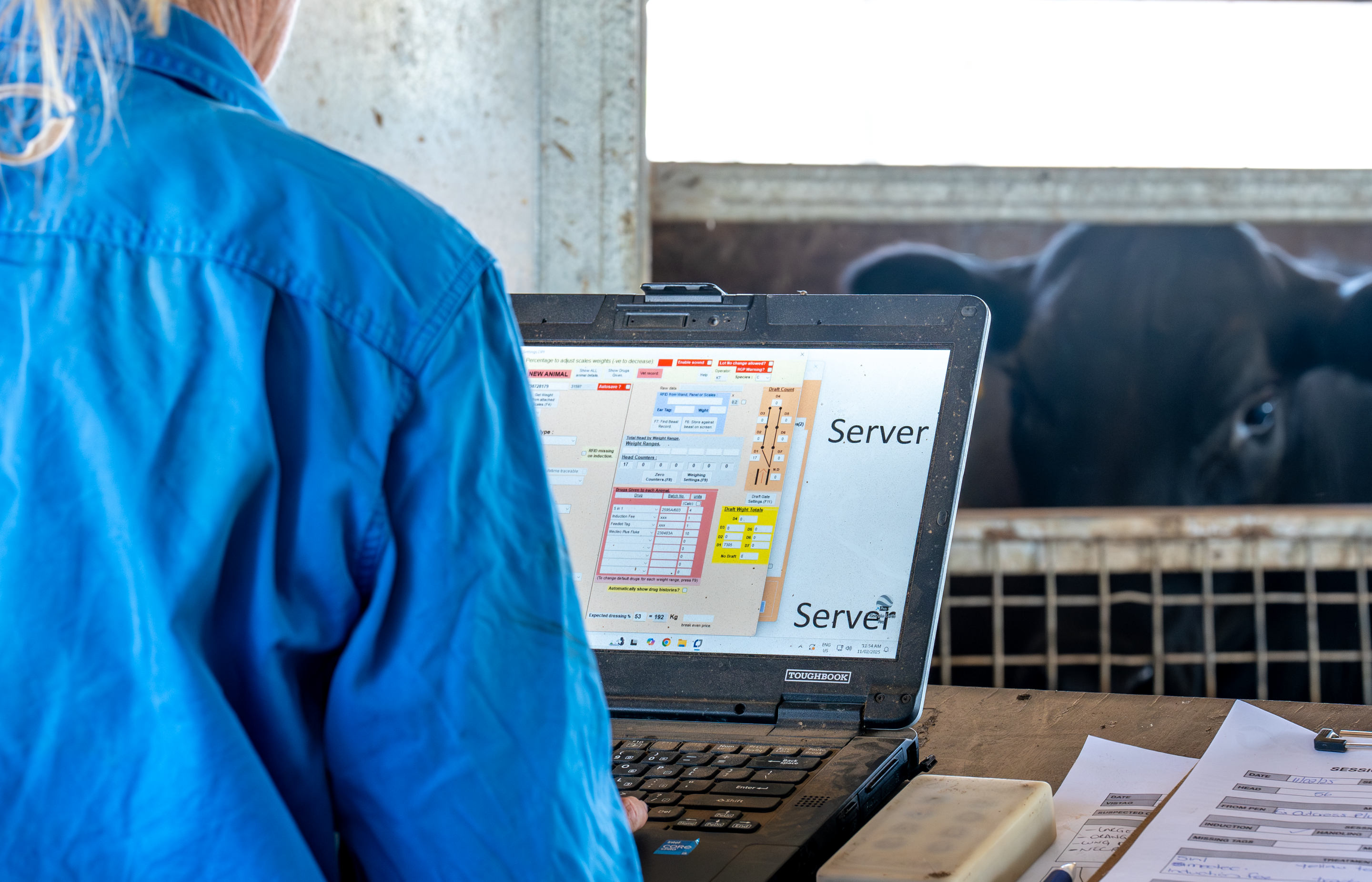
Fertility and breeding soundness guarantees
Fertility warranties are the most common protection offered with stud livestock. They guarantee that bulls, rams, and other sires can reliably serve females and produce offspring.
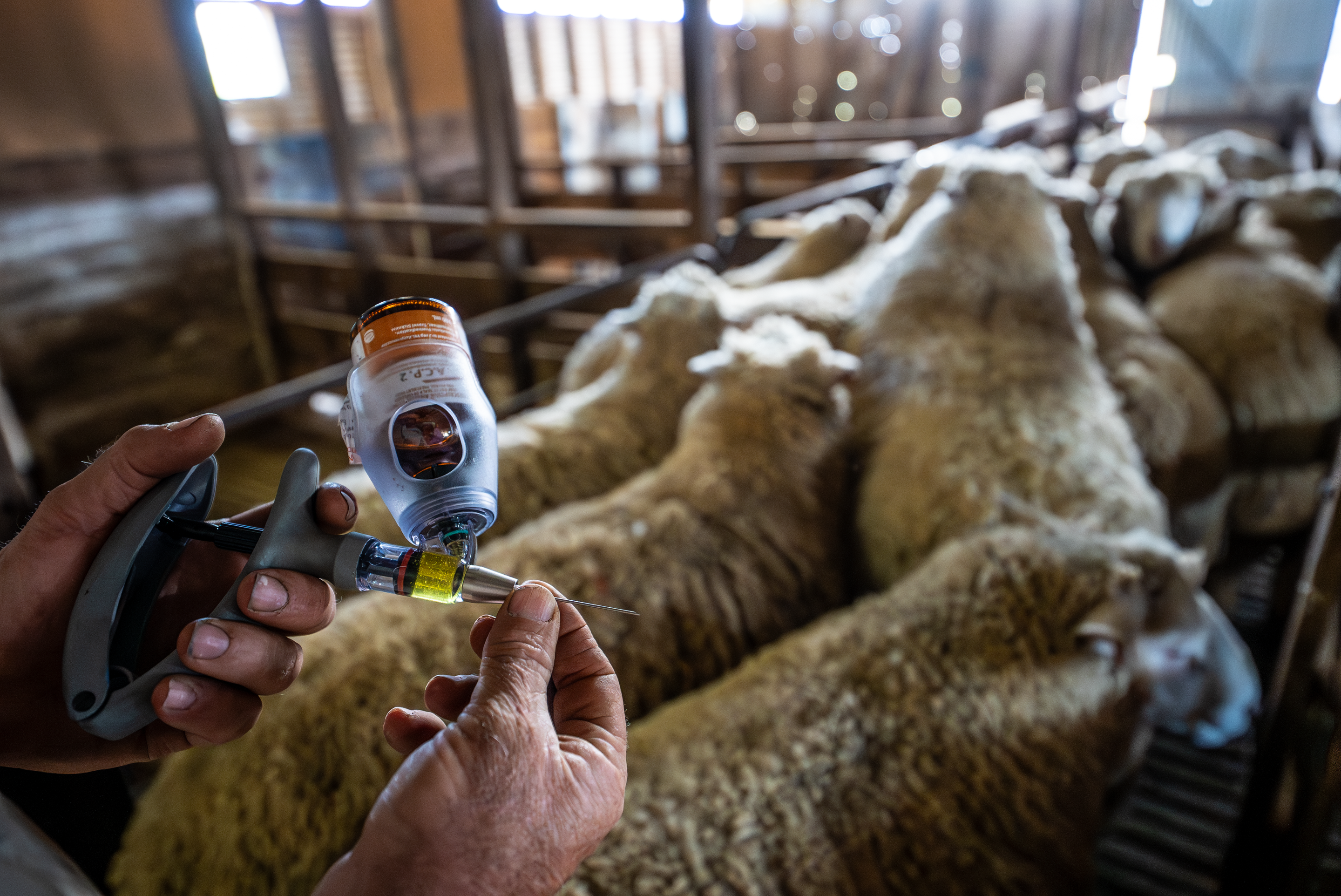
Most fertility guarantees require a breeding soundness evaluation (BSE) conducted by a qualified veterinarian. This examination assesses sperm quality, reproductive organ development, and serving capacity. A bull that passes a BSE at the time of sale will normally be warranted as fit for breeding.
Coverage periods vary vastly. Vendors may offer 6 or 12-month guarantees, or cover the first joining season. A veterinary certification is typically required as evidence of an animal underperforming. Simply claiming "he didn't get any calves" rarely constitutes a valid claim without professional diagnosis.
Buyers should note that fertility warranties often exclude infertility caused by injury, disease contracted after purchase, or mismanagement. Make sure to read the fine print carefully.
Structural soundness and physical condition
Physical condition warranties cover defects in feet, legs, eyes, and reproductive organs. These protections tend to include a defined inspection period, usually 7 to 14 days after delivery. Buyers must report any issues within this window.
The logic is straightforward. Buyers need adequate time to observe animals in their new environment and identify problems that may not have been apparent at the point of sale. A bull with early-stage arthritis might travel well but show lameness within a week of arrival.
Pre-existing conditions disclosed at sale are generally excluded from warranty claims. If a vendor notes a minor foot issue in the sale documentation, you cannot later claim compensation for that same defect.
Prompt reporting is critical, as most warranties become void if buyers fail to notify vendors within a specified inspection period.
Genetic claims and pedigree accuracy
Pedigree warranties guarantee that an animal's parentage and genetic claims are accurate. With DNA verification now standard practice in many studs, these protections have become increasingly robust.
Vendors can be held liable if genetic defects emerge in progeny that trace back to undisclosed conditions. Similarly, if DNA testing reveals incorrect parentage, buyers have grounds for compensation.
Note that these claims can come out months or even years after the sale, making documentation retention imperative.
Types of sale and their warranty implications
Where and how you purchase stud livestock significantly affects your warranty protections. Auction terms differ from private treaty conditions, and digital marketplace transactions bring their own considerations.
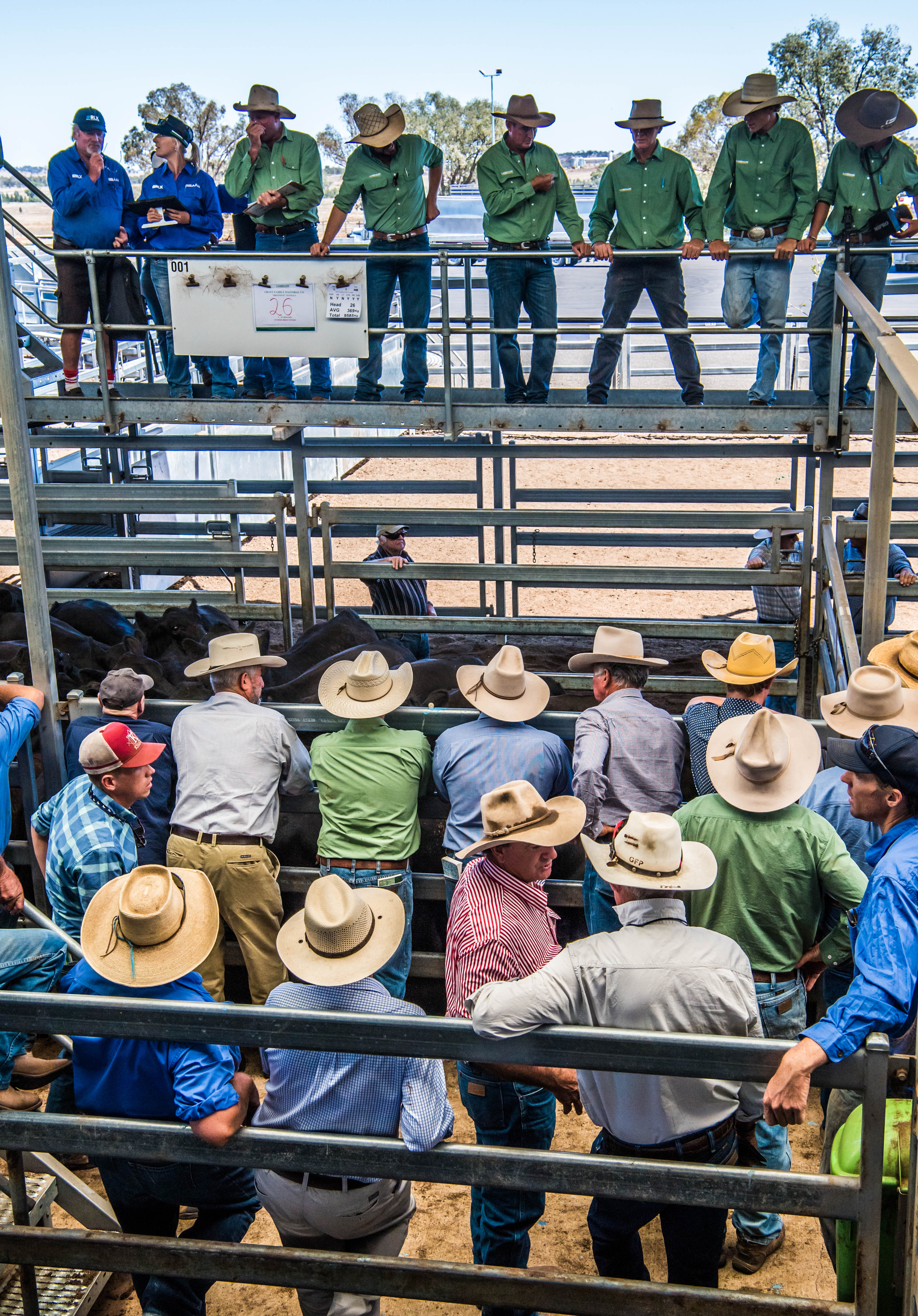
Auction sale conditions and standard terms
Livestock auctions operate under published terms and conditions. By registering to bid, you accept these terms, regardless if you've read them or not.
The majority of auction warranties are quite limited. Most offer 24 to 48-hour soundness checks, covering obvious defects or immediate health issues. Beyond this narrow window, the animal is sold "as is."
Some auction houses facilitate extended vendor warranties, but these must be clearly documented. Never assume an auctioneer's verbal assurances constitute binding warranty terms.
Reputable marketplaces like Farmbuy display applicable sale conditions clearly on each listing, allowing buyers to review terms before expressing interest.
Private treaty sales and negotiated guarantees
Private sales offer greater flexibility. Buyers can negotiate extended warranties, specific performance guarantees, and customised terms tailored to their circumstances.
Said flexibility does come with additional responsibility. Ensure that every agreed warranty should be documented in writing. A handshake promise means nothing without written confirmation of the specific terms, conditions, and remedies.
Any wise buyer would request warranty documentation before finalising any private purchase. If a vendor hesitates to put guarantees in writing, consider what that reluctance might signal.
Online marketplace purchases and documentation
Digital livestock transactions have grown substantially across Australia. When purchasing through online platforms, documentation becomes even more critical.
Farmbuy facilitates transparent transactions by featuring clear warranty documentation. Buyers can review comprehensive vendor profiles before committing to purchases, which are rarely available at traditional sales.
Regardless of platform, always obtain written confirmation of warranty terms via email or formal agreement before transferring funds.
Your legal rights under Australian Consumer Law
Beyond individual vendor warranties, Australian law provides baseline protections for certain livestock purchases.
Consumer guarantees for livestock purchases
The Australian Consumer Law (ACL) includes automatic guarantees that goods will be of acceptable quality and fit for purpose. These protections apply regardless of what's written in sale documentation.
For breeding stock, "fitness for purpose" means the animal should be capable of breeding if that's the stated reason for purchase. A bull sold as a working sire should be able to produce offspring.
When consumer law applies to farm purchases
Here's where it gets complicated. ACL consumer guarantees generally apply to purchases under $100,000, or goods normally acquired for personal or domestic use.
A large share of premium stud purchases exceed this threshold. A $150,000 bull is likely considered a commercial acquisition, potentially falling outside standard consumer protections.
This reality makes vendor warranties even more important for high-value purchases, with contractual protections possibly being your primary or sole legal recourse.
State-based livestock sale legislation
Australian states maintain varying legislation affecting livestock sales. Sale of Goods Acts provide additional protections in some jurisdictions, while issue-specific livestock regulations address particular transaction types.
Understanding local requirements matters, particularly for interstate purchases where different state laws may apply.
Due diligence steps before purchase
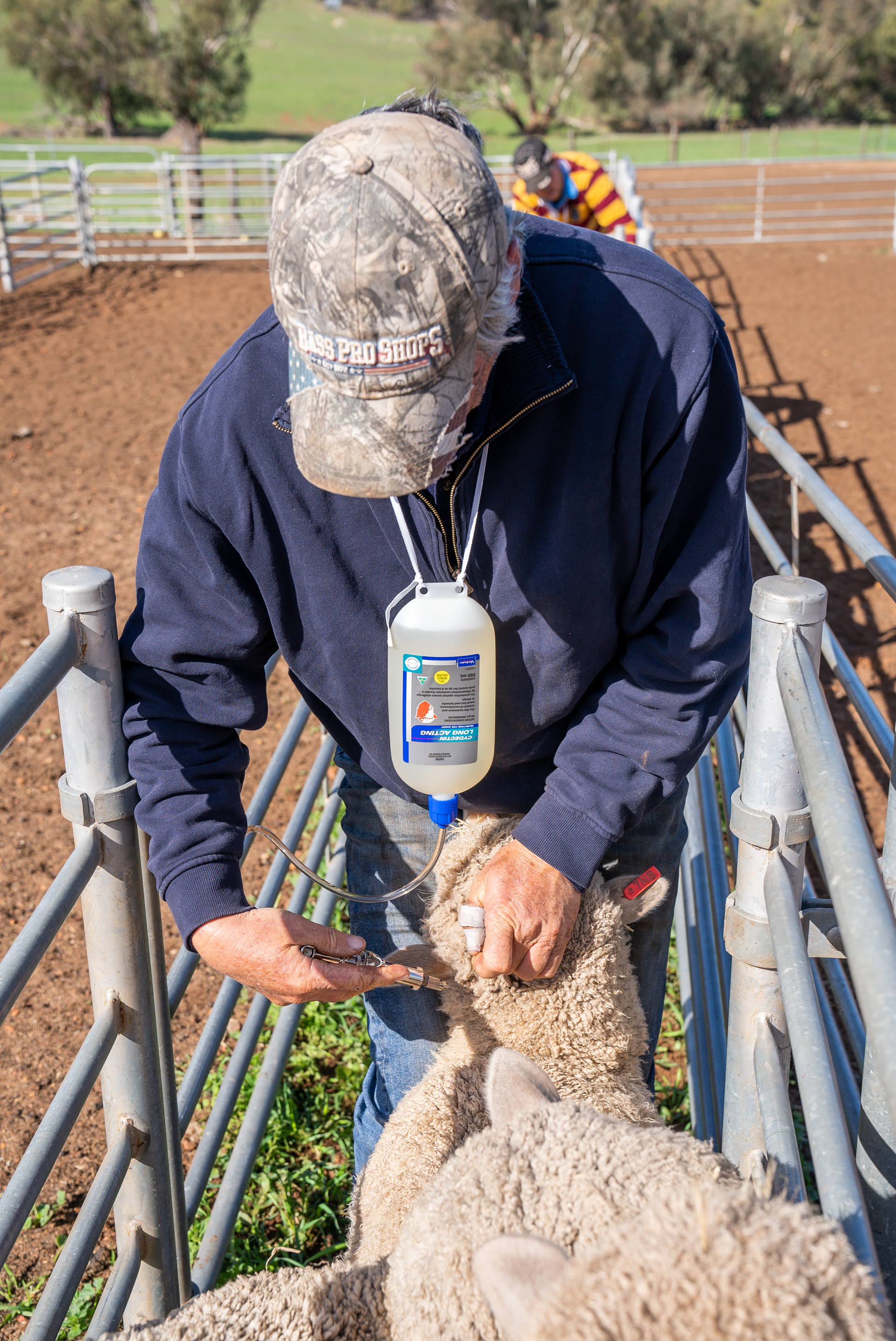
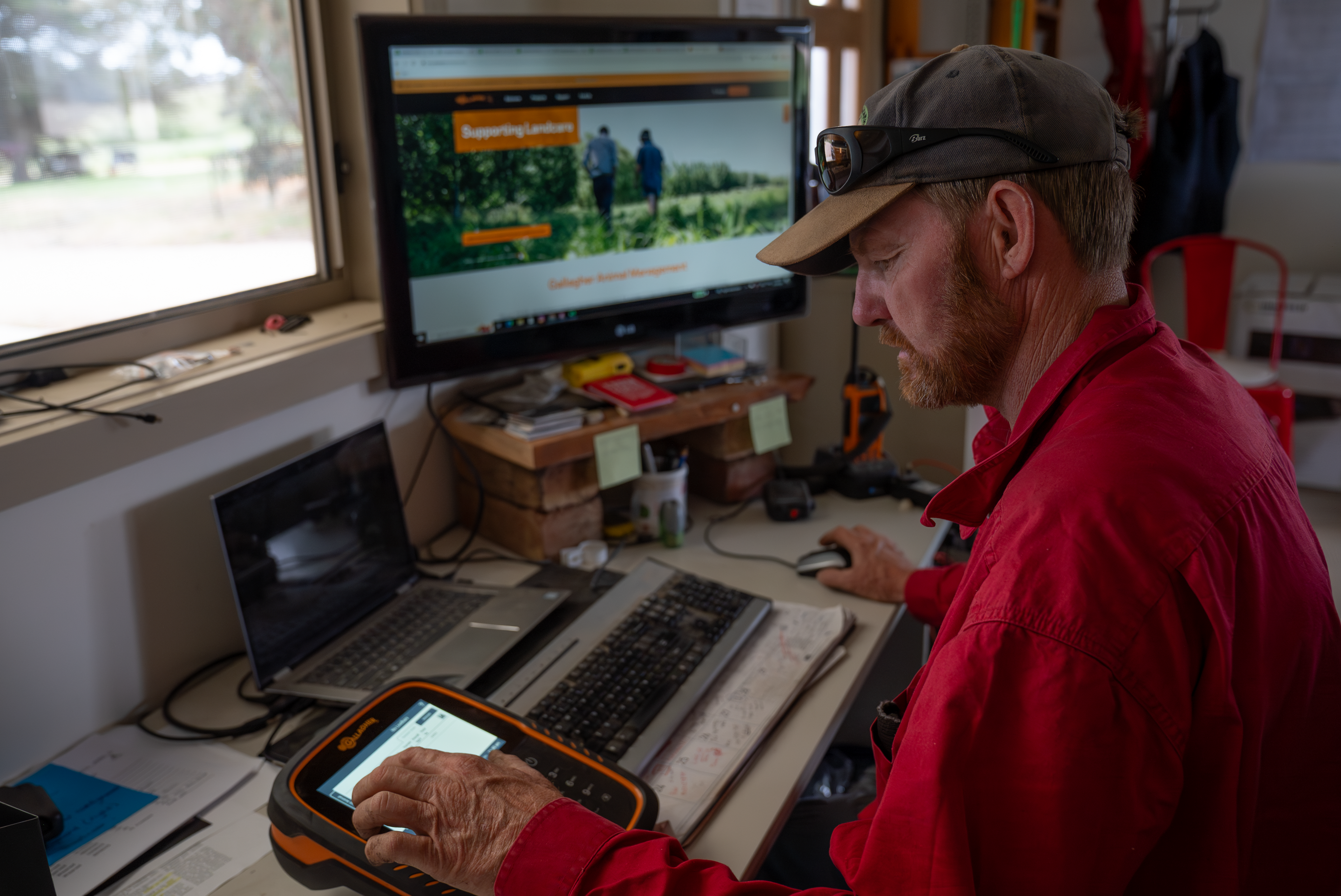
Warranties matter most when problems arise, but thorough due diligence reduces the likelihood of needing them.
Pre-purchase veterinary inspections
For high-value purchases, independent veterinary examination before sale is worth every dollar. A comprehensive pre-purchase exam should include breeding soundness evaluation, structural assessment, and relevant health screening.
Even if this adds cost and complexity, identifying problems before purchase is infinitely preferable to discovering them afterwards.
Reviewing warranty terms and conditions
Before committing to any stud purchase, make sure to obtain and review warranty documentation. Ask specific questions:
- What's covered?
- What's excluded?
- What evidence is required for claims?
- What's the process and timeframe for lodging disputes?
If answers are vague or unavailable, proceed with caution.
Vendor reputation and transaction history
Another unmissable step is to research vendor track records through industry contacts, breed society records, and marketplace platforms. Farmbuy's vendor profiles provide transaction transparency that assists buyers in assessing seller reliability.
A vendor's history of honouring warranty claims speaks more than their marketing materials can ever do.
Resolving warranty disputes and claims
When problems emerge, knowing the correct process will serve your interests.
Documentation requirements for valid claims
Successful warranty claims require evidence. Keep veterinary reports, photographs, timeline records, and copies of all sale documentation from purchase through any warranty period.
A mere verbal claim that "the bull didn't work" won't be accepted without professional diagnosis and proper documentation.
Standard dispute resolution processes
Warranty disputes can be resolved through direct negotiation when both parties act reasonably. If direct communication fails, industry bodies may offer mediation services. Formal legal action remains an option, but should stand as a last resort, given the associated costs and timeframes.
Remedies available to buyers
Valid claims may result in replacement animals, partial or full refunds, or compensation for consequential losses. Remedy availability depends on warranty terms and breach circumstances.
Document your losses carefully, from replacement semen costs, extended joining periods, and reduced calf numbers. These may factor into compensation calculations.
Making informed stud livestock purchases
Understanding warranties transforms you from an unprepared buyer into a confident negotiator. Review terms before purchase. Conduct independent inspections. Document every agreement in writing.
These steps protect your investment and support better outcomes across the Australian livestock industry.
Ready to find your next sire with confidence? Browse Farmbuy's livestock listings, where transparent sale conditions and reputable vendors make buying decisions simpler.
Frequently asked questions
What is a standard fertility warranty period for stud bulls in Australia?
Most vendors offer 6 to 12-month fertility warranties, though terms vary. Some guarantee fertility through the first joining season rather than a fixed timeframe.
Are verbal warranty promises legally binding in livestock sales?
Verbal promises can be legally binding but are extremely difficult to prove. Always obtain written confirmation of any warranty terms before purchase.
What should I do if a stud animal fails a breeding soundness test after purchase?
Notify the vendor immediately in writing and obtain a formal veterinary report documenting the failure. Review your warranty terms for claim procedures.
Do auction terms override individual vendor warranties?
Auction terms set baseline conditions, but vendors can offer additional warranties beyond these minimums. Any extended warranties should be documented separately.
Can I claim compensation for lost breeding seasons if a stud is found infertile?
Consequential loss claims depend on warranty terms and may require legal action. Do document all losses carefully and seek professional advice for significant claims.
What documentation should I receive when purchasing stud livestock?
At minimum: sale receipt, warranty terms, pedigree documentation, veterinary certificates, and any BSE reports. Request copies of everything before finalising payment.
