












Top Angus Studs in Australia: Leading Breeders for Marbling and Growth
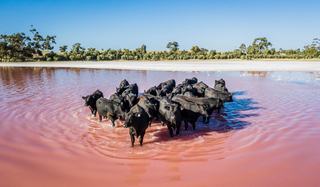

Angus genetics are the dominant force in Australian beef production. Registered Angus numbers exceed all other breeds combined, reflecting decades of proven performance across diverse production systems.
Selecting the right stud directly impacts herd profitability. Superior marbling genetics command carcase premiums, and efficient growth traits reduce days to market. The challenge lies in determining which studs deliver on both fronts.
With hundreds of registered Angus breeders operating nationally, objective evaluation matters more than reputation alone. Platforms like Farmbuy connect buyers with leading studs, including operations like Dulverton Angus that demonstrate measurable breeding progress.
This guide expounds what distinguishes top Angus studs, how to evaluate genetics for your production system, and practical purchasing considerations.
What Makes an Angus Stud Stand Out for Marbling and Growth?
Understanding EBVs for Carcase Quality
Estimated Breeding Values (EBVs) provide objective genetic comparisons across animals and herds. For marbling, the Intramuscular Fat (IMF) EBV predicts how an animal's progeny will perform relative to breed average.
An IMF EBV of +2.0 indicates progeny will deposit approximately 2% more intramuscular fat than breed average animals. This directly correlates with Meat Standards Australia (MSA) marble scores and premium grid payments.
Carcase weight EBV predicts dressed weight at a standard age. Retail beef yield percentage measures saleable meat proportion. BREEDPLAN calculates these figures using performance records submitted by participating studs across Australia.
Top studs conduct comprehensive recording programmes. Limited data means lower accuracy percentages and less reliable predictions.
Growth Trait Indicators That Matter
Growth EBVs measure weight gain potential at key production stages. The 200-day weight EBV shows pre-weaning growth, largely influenced by maternal milk production. The 400-day and 600-day weight EBVs indicate post-weaning growth potential.
Feed efficiency metrics have gained prominence as input costs rise. Days to finish and net feed intake EBVs help identify cattle that convert feed efficiently without sacrificing growth rate.
However, growth selection requires balance. Extreme 600-day weight genetics often correlate with larger mature cow size, which will increase maintenance requirements. Producers running cattle on modestly-sized country should weigh growth potential against feed availability.
Why Trait Balance Defines Leading Studs
Single-trait selection will prove problematic. Breeding exclusively for marbling can compromise growth. Similarly, pushing growth extremes may reduce carcase quality or increase dystocia.
Any leading stud would select across multiple traits simultaneously. Index values (e.g. Angus Breeding Index, domestic and export indexes) combine EBVs into single figures weighted for commercial relevance.
Studs like Dulverton Angus maintain balanced genetic profiles, delivering marbling improvement without sacrificing structural soundness or growth efficiency. This balance separates consistent performers from short-term trend chasers.
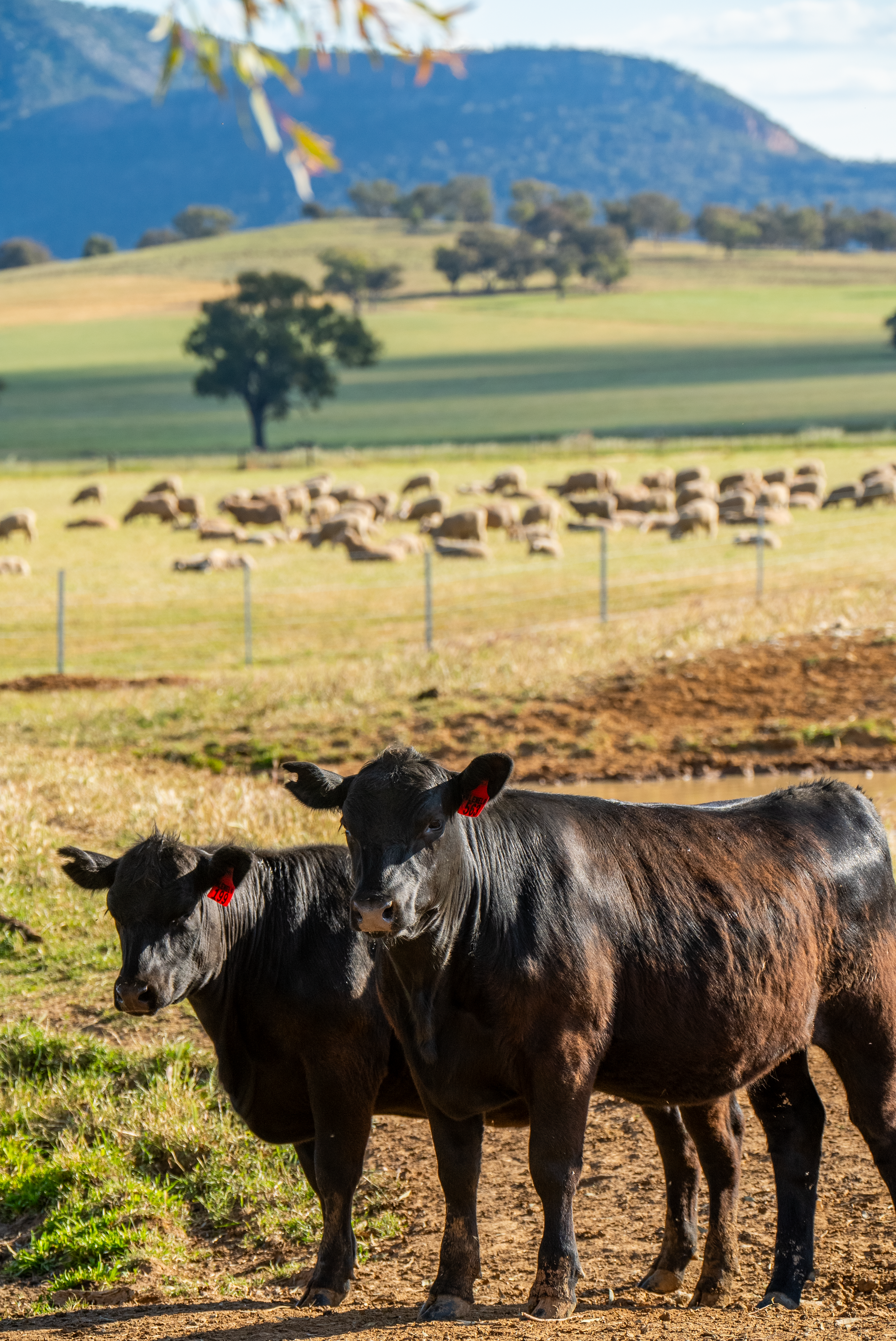
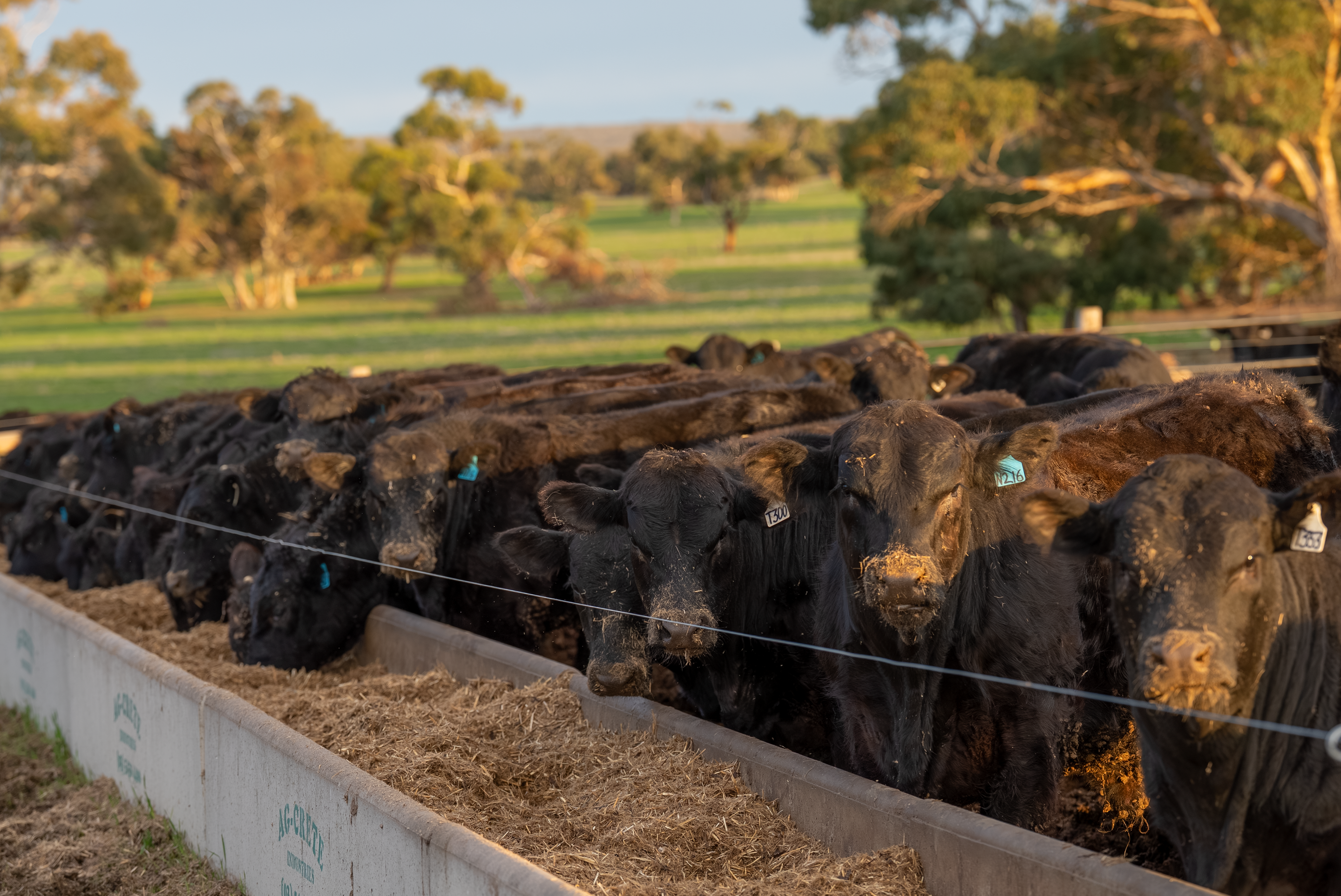
Dulverton Angus: A Case Study in Breeding Excellence
Breeding Philosophy and Genetic Focus
Dulverton Angus operates with clear breeding objectives: combining high-marbling genetics with the structural soundness required for commercial longevity.
The programme emphasises performance recording across all measurable traits. Genomic testing supplements traditional EBV calculation, which improves accuracy on young animals prior to progeny data availability.
This data-driven approach allows buyers to make selections based on verified genetic merit in addition to visual assessment.
Sale Results and Industry Recognition
Consistent sale results reflect market confidence in a breeding programme and strong repeat-buyer percentages suggest that clients achieve results with the genetics.
Dulverton Angus participates actively in Angus Australia programmes and breed improvement initiatives. This engagement demonstrates commitment to industry-wide genetic progress, not just individual stud promotion.
Accessing Dulverton Angus Genetics Through Farmbuy
Farmbuy's stud directory provides direct access to Dulverton Angus listings and contact details. Buyers have the ability to review available stock, compare with other studs, and enquire directly through the platform.
This centralised access simplifies pre-sale research, particularly for buyers comparing multiple operations before committing to in-person visits.
How to Evaluate Angus Studs Before Purchasing
Analysing BREEDPLAN Data Effectively
Raw EBV figures lack actionable meaning without context. An IMF EBV of +1.8 might rank in the top 20% of the breed or sit near average, depending on current genetic trends.
Percentile rankings published by Angus Australia place individual EBVs within breed context. For example, a bull ranking in the top 10% for IMF and top 30% for 400-day weight offers genuine genetic advantage.
Accuracy percentages tell you data reliability. Higher accuracy comes from ample progeny records. Young bulls with genomic testing typically show 50-60% accuracy, whilst proven sires with extensive progeny data exceed 90%.
Physical Inspection and Structural Assessment
While EBVs predict genetic potential, physical inspection further confirms that the individual animal can deliver on that potential.
Structural soundness affects working life. Examine feet and leg structure, particularly rear leg set and hoof angle. Sheath score is of consequence for bulls working in rough country, as excessive sheath increases injury risk.
Temperament assessment should align with docility EBV. Flighty or aggressive animals create handling difficulties and safety risks regardless of genetics.
Verifying Health Status and Breeding Soundness
Reputable studs provide Bull Breeding Soundness Evaluations (BBSE) conducted by qualified veterinarians. This examination assesses physical capacity to serve cows and semen quality.
Biosecurity declarations should confirm herd health status for diseases such as Pestivirus (BVDV), Johne's Disease, and Vibriosis. Make sure you enquire about vaccination programmes and testing protocols.
Fertility guarantees vary between studs. Understand terms before purchase and understand that most cover the first joining season only.
Matching Angus Genetics to Your Production System
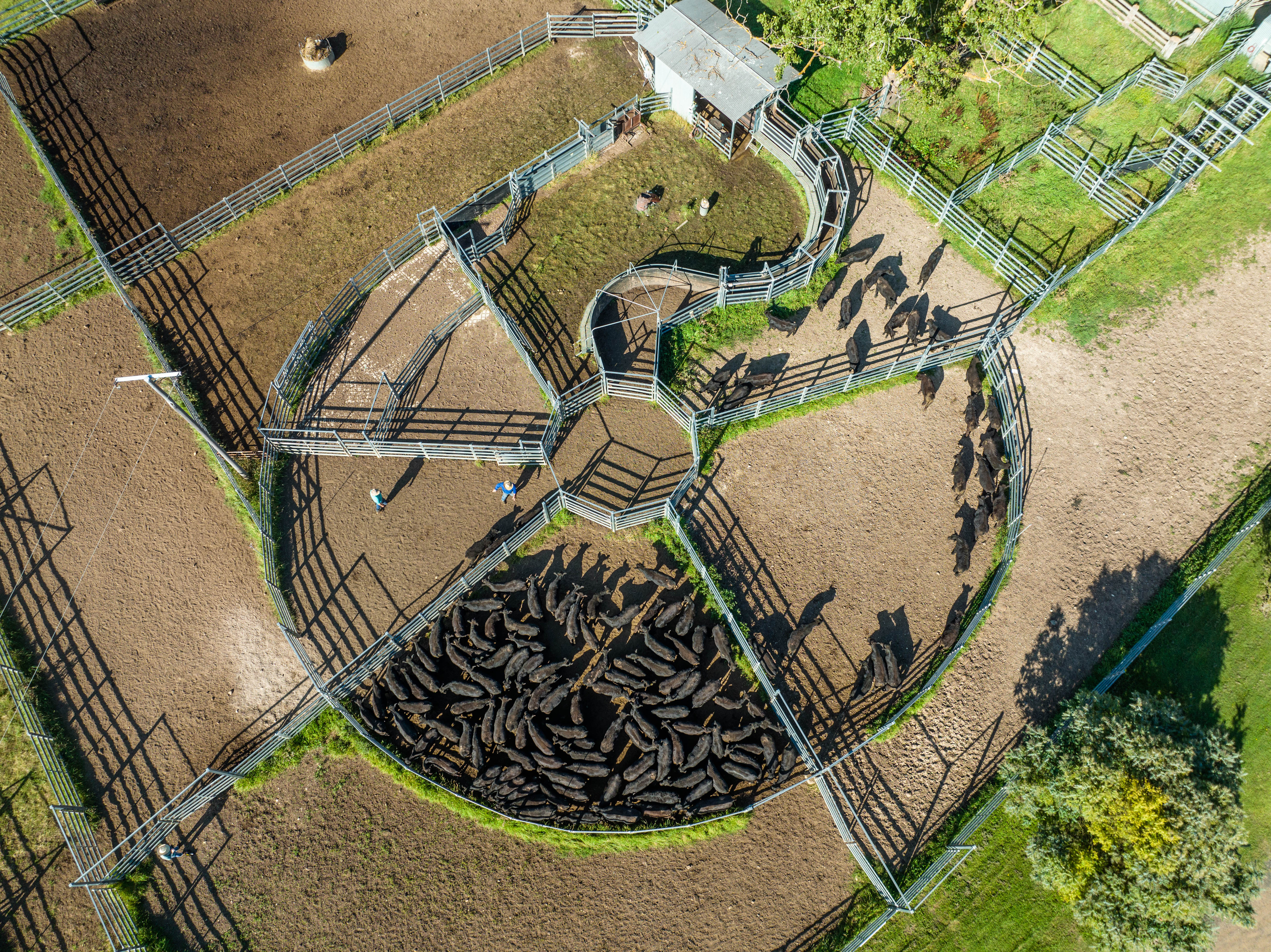
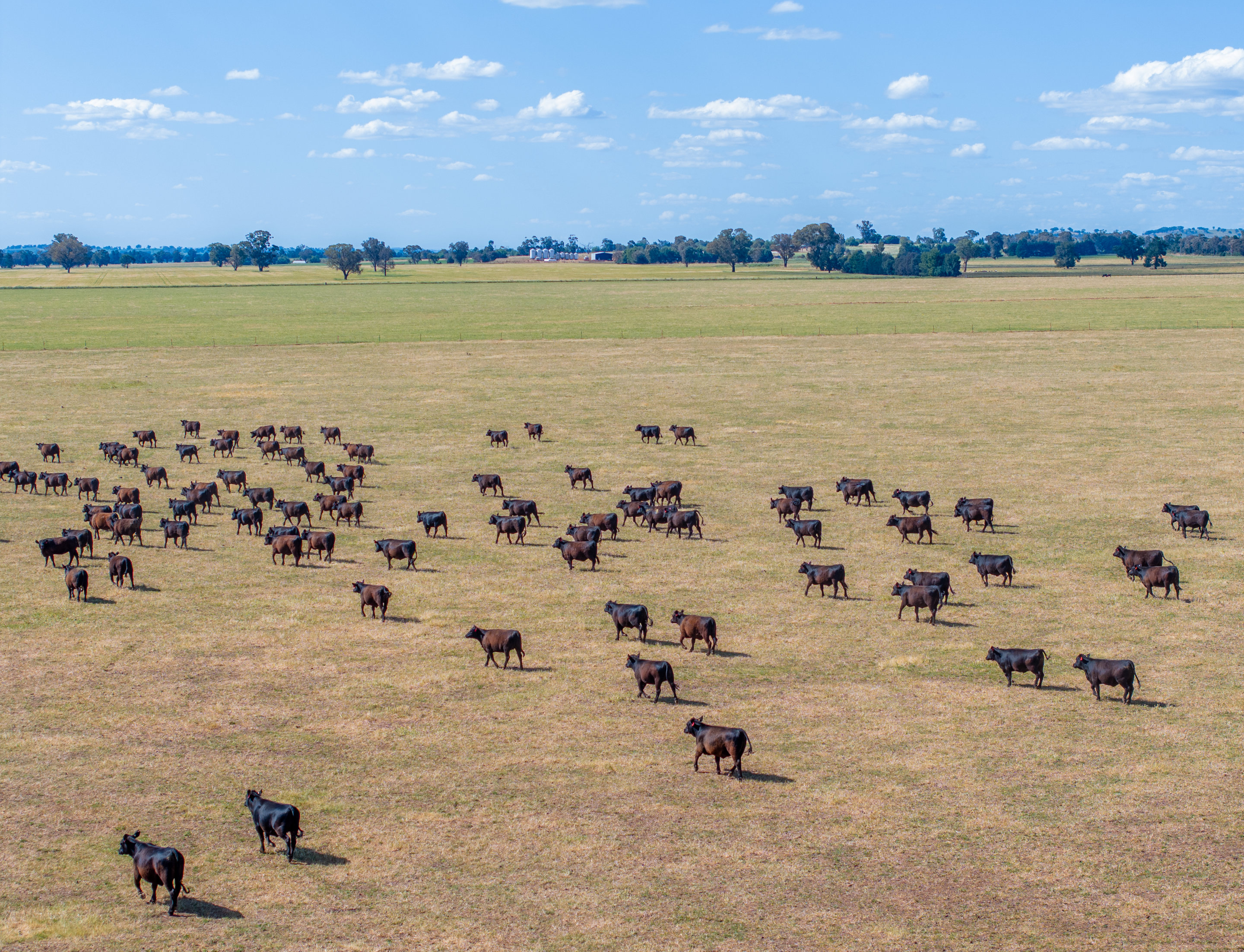
Grass-Fed and Pasture-Finishing Operations
Grass-fed production rewards moderate frame genetics that finish on pasture without grain supplementation. Extreme growth genetics may struggle to achieve market specifications on just grass.
Prioritise IMF EBVs that deliver marbling without feedlot finishing. Maternal traits are crucial for self-replacing herds. Milk, calving ease, and scrotal size all influence breeding herd productivity.
Feedlot Supply and Grain-Finishing Programs
Feedlot operators and backgrounders supplying lotfeeders prioritise different genetics. Growth rate and feed conversion drive profitability when cattle consume feed.
Target MSA grading requirements and brand programme specifications. Some markets crave heavy carcase weights for export, while others penalise oversized carcases. Match genetics to your market endpoint.
Using Farmbuy to Compare Studs by Region and Focus
Farmbuy's filtering options allow searches by location and breeding emphasis. This will collate all studs within practical distance for visits and transport.
Comparing multiple stud profiles before sale season will better inform your shortlisting. Accessing contact details, current listings, and background information through a single platform will be much more time efficient than navigating individual stud websites.
Understanding Angus Bull Pricing and Value
What Drives Price Variation at Angus Sales
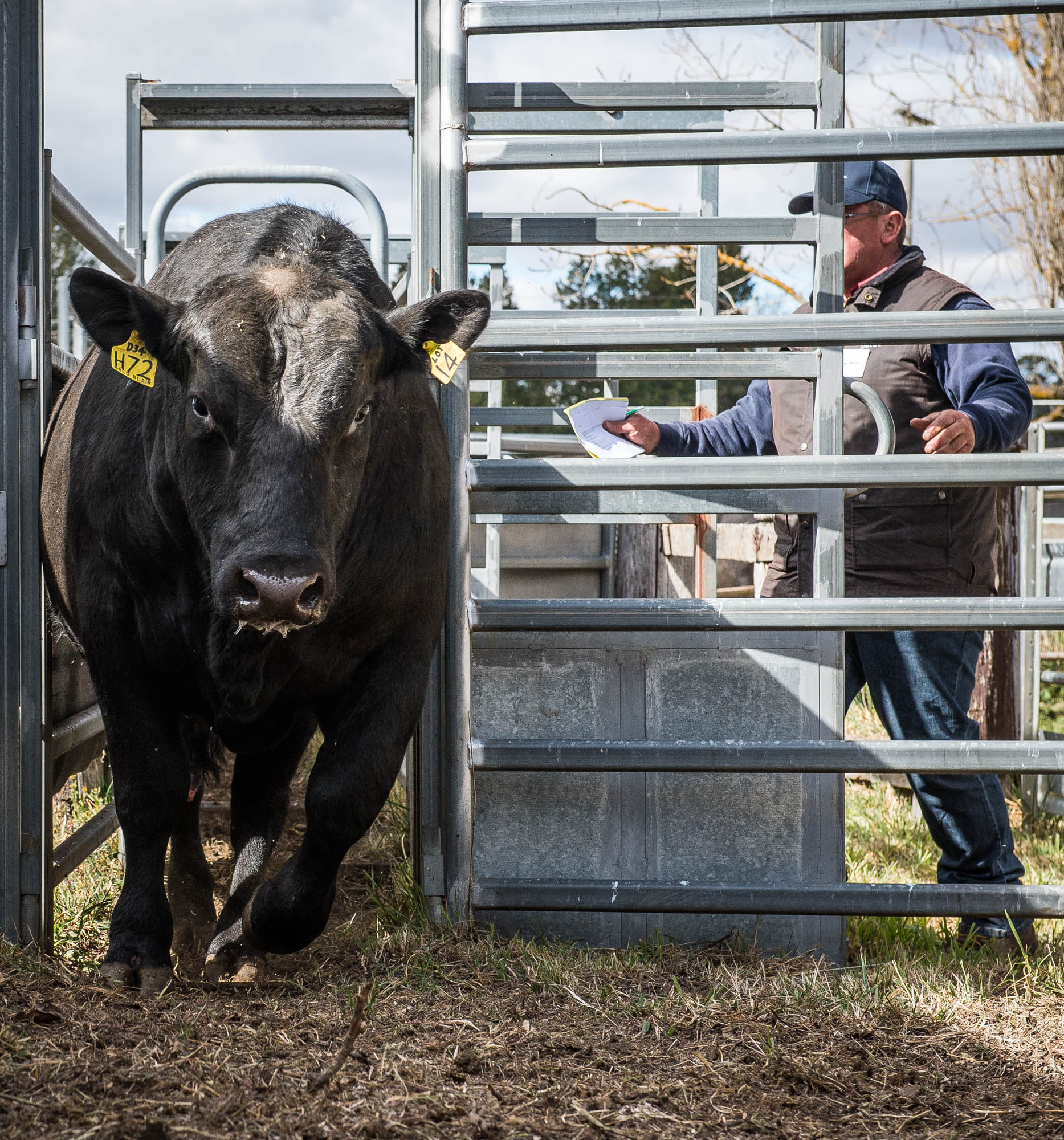
Angus bull prices range from $8,000 for solid commercial sires to $300,000+ for elite genetics. Several factors drive this variation.
Genetic merit is the most effectual. Bulls ranking in the top percentiles for key EBVs command premiums. Pedigree influence, like sire reputation and cow family quality, adds further value.
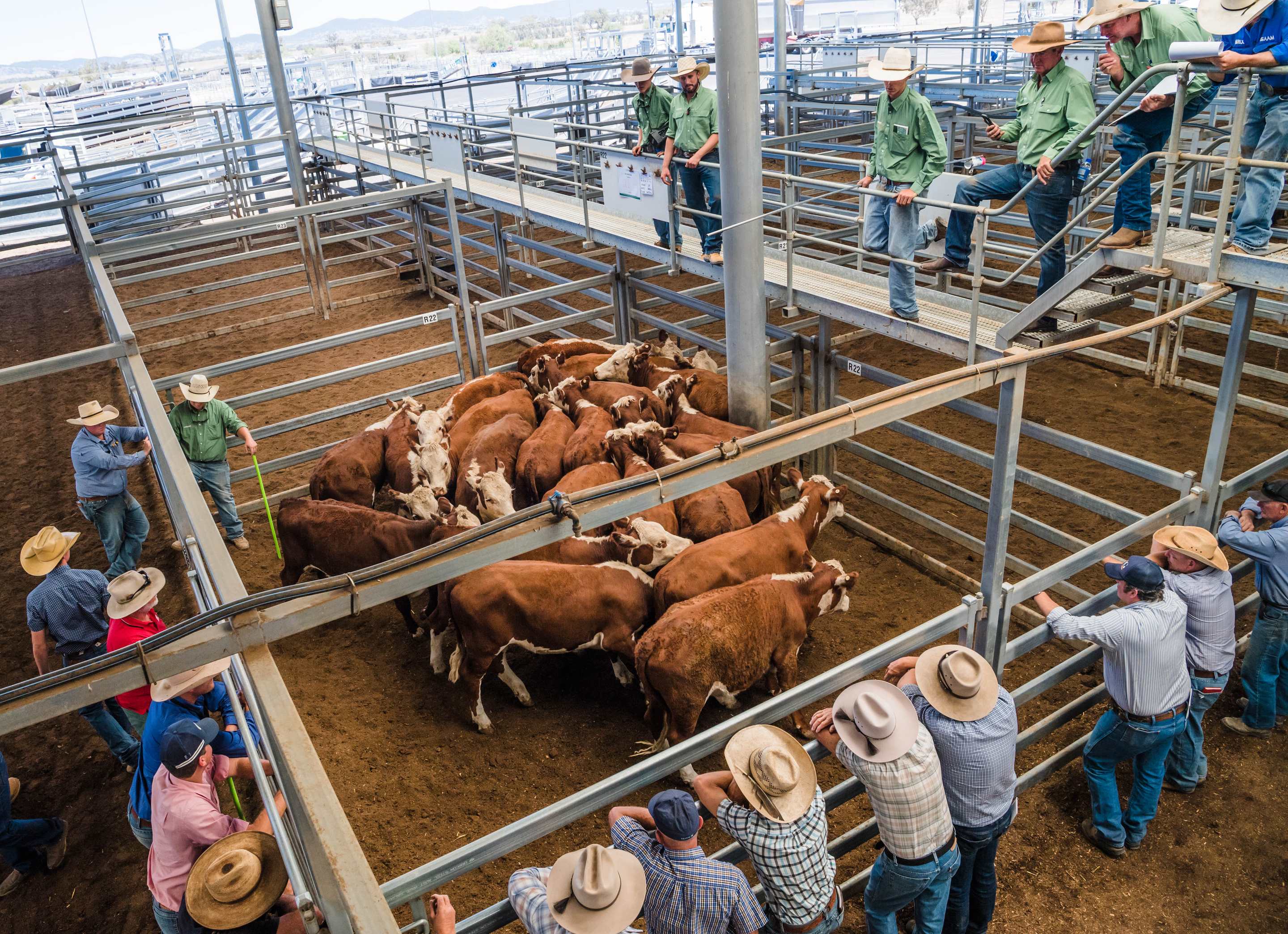
Physical presentation affects competition on sale day. Age, condition, and structural correctness influence bidding. Marketing investment and stud reputation also create price premiums independent of genetic merit.
Commercial Return on Genetic Investment
A single bull joins 25-40 cows on average annually over three to four working seasons. His genetics will influence 100+ calves during that period.
Do calculate the value of genetic improvement across those progeny. For instance, if superior IMF genetics add $50 per head in carcase premiums, a $15,000 bull will deliver $5,000+ annual return on investment.
Premium genetics justify higher prices when the production system captures that value. Commodity beef operations may find diminishing returns beyond mid-market genetics.
Frequently Asked Questions
What EBVs should I prioritise when selecting Angus bulls for marbling?
Focus on Intramuscular Fat (IMF) EBV as the primary marbling indicator. Also consider carcase weight and retail beef yield for overall carcase value. Index values combine these traits for balanced selection.
How do I compare Angus studs objectively using BREEDPLAN data?
Use percentile rankings from Angus Australia rather than raw EBV figures. Compare accuracy percentages and ensure studs participate in comprehensive performance recording.
What is a reasonable price range for registered Angus bulls in Australia?
Commercial-quality registered bulls typically sell between $10,000 and $20,000. Top-end genetics from leading studs regularly exceed $30,000, with exceptional animals reaching six figures.
Does Dulverton Angus offer bulls suited to grass-fed production systems?
Review their current catalogue for bulls with moderate frame scores and strong IMF genetics. Contact the stud directly through their Farmbuy listing to discuss specific requirements.
How can I verify an Angus stud's registration and sale history?
Angus Australia maintains online member and sire search databases. Request registration certificates and ask studs for sale history documentation.
What health tests should Angus bulls pass before purchase?
Check for Bull Breeding Soundness Evaluation, Pestivirus testing, and confirmation of Johne's Disease status. Review vaccination records and biosecurity declarations.
Can I find Angus studs from specific regions on Farmbuy?
Yes. Farmbuy's search filters allow location-based searches, helping identify studs within practical transport distance for inspections and purchases.
Select Angus Genetics with Confidence
Choosing the right Angus stud necessitates balancing multiple considerations: genetic merit for marbling and growth, structural soundness, health status, and alignment with your production goals.
Leading studs such as Dulverton Angus demonstrate how rigorous selection and comprehensive performance recording deliver notable outcomes for commercial buyers.
Explore Dulverton Angus and other top Angus breeders through Farmbuy's stud directory. Quality genetics are the foundation of profitable beef production, so invest the research time before sale day.
