















How to Choose Cattle Stud Stock: Expert Advice on Auctions, Genetics, and Top Breeds
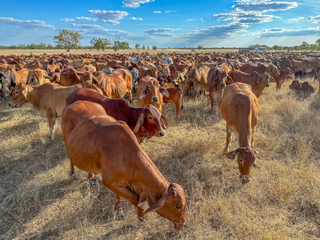

The bull you put over your herd today determines the calves you sell in three years and the replacement females you retain for a decade. This single decision, whether it’s a stud bull or elite breeding female, carries more long-term financial weight than almost any other input on a cattle property. Despite this, too many producers walk into a sale or browse listings without a clear framework for evaluating what they are buying.
This guide breaks down the essentials:
- How to read genetics data
- What to look for at auction
- Which breeds suit Australian conditions
- Due diligence steps that ensure a sound investment
No matter if you are sourcing your first stud sire or upgrading bloodlines in an established program, Farmbuy connects Australian producers with quality stud stock listings across every major breed.
What Is Cattle Stud Stock and Why Does It Matter?
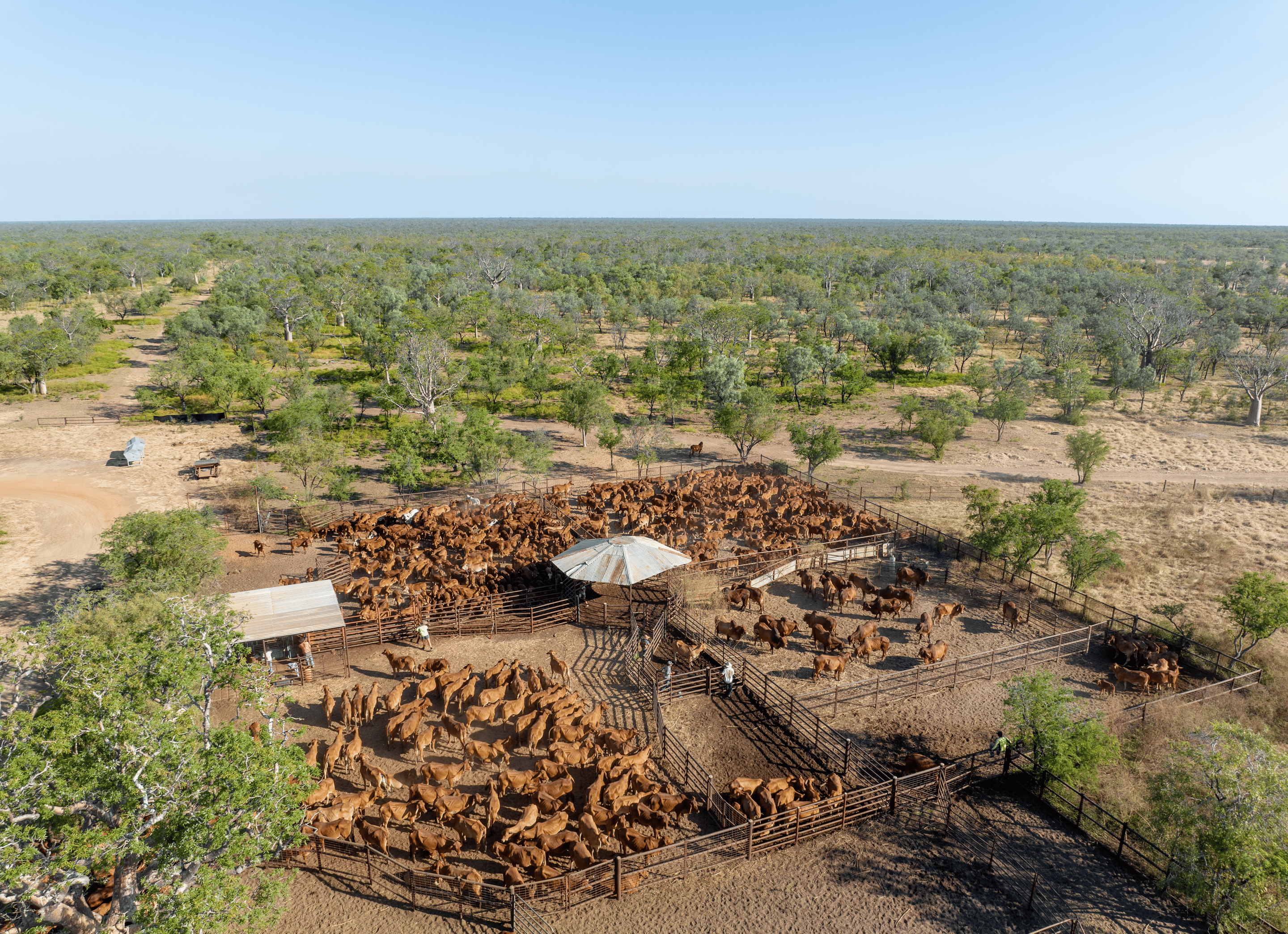
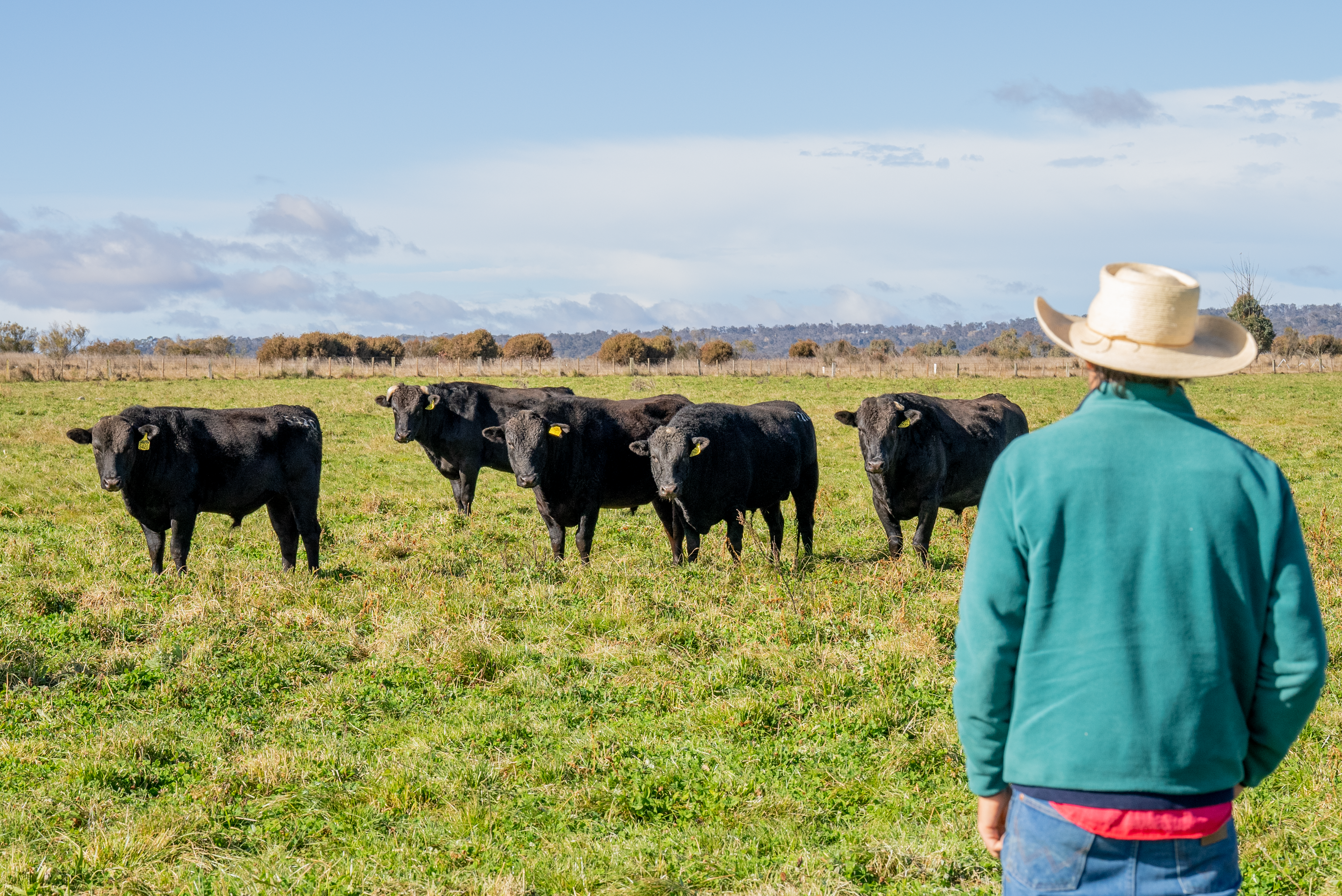
Defining Stud Stock vs Commercial Cattle
Stud stock refers to registered, pedigree-recorded animals bred specifically for genetic improvement. Unlike commercial cattle, which are purchased primarily for meat or milk production, stud animals carry documented lineage, performance data, and verified parentage through breed society registration. Their value lies not merely in their own performance, but in the genetic traits they pass on.
The Role of Stud Genetics in Herd Improvement
A single stud bull can sire 25 to 40 calves per joining season. Over a working life of four to five years, that one animal could shape the genetic profile of 100-200 progeny. This multiplier effect is the very reason genetic selection at the stud level has a far greater impact per dollar spent than any supplement, pasture improvement, or management change. Small shifts in growth rate, fertility, or carcase merit are compounded across generations and deliver measurable returns at the farm gate.
Why Genetic Investment Pays Off Over Time
Viewing stud stock as an expense rather than an investment will lead one to judge on price alone. This will only result in genetic stagnation. This is in stark contrast to those who treat it as a strategic input by matching specific trait targets to market and environmental demands. This approach builds herds that outperform the district average within two to three generations. The upfront premium on quality genetics is recovered many times over through heavier weaners, improved fertility, and stronger sale prices on progeny.
How to Evaluate Stud Cattle Genetics Before You Buy
Understanding Estimated Breeding Values (EBVs) and BREEDPLAN Data
BREEDPLAN is Australia's national beef genetic evaluation system, and Estimated Breeding Values (EBVs) are its core output. Each EBV predicts the genetic difference an animal's progeny will show compared to the breed average for a specific trait:
- Birth weight
- 200-day growth
- Scrotal size
- Rib fat
- Intramuscular fat
And Dozens more.
An EBV is not a measurement of the animal itself, but a prediction of what it will pass on. Producers should focus on the traits that matter most to their operation: e.g. fertility and calving ease for breeding herds, growth and carcase data for those targeting feedlot or premium domestic markets.
Pedigree Analysis — Reading Bloodlines and Performance Records
EBVs tell only part of the story. Pedigree analysis adds context. Look at the sire and dam performance, the consistency of trait expression across siblings, and whether the bloodline has proven itself in conditions similar to yours. A bull with impressive EBVs from an irrigated stud property may not manifest the same results on extensive rangeland. Remember to cross-reference catalogue data with what you can verify on the ground.
Structural Soundness and Physical Assessment Criteria
No amount of genetic data compensates for poor structure. Before bidding, assess:
- Feet and leg correctness
- Sheath score (especially in Bos indicus and composite bulls)
- Jaw alignment
- Eye pigmentation
- Temperament
A structurally unsound bull breaks down under paddock conditions and fails to deliver his genetic potential. Ensure you walk the inspection yards and watch the animal move. If the physical assessment raises doubts, move on regardless of the numbers on paper.
Navigating Stud Cattle Auctions in Australia
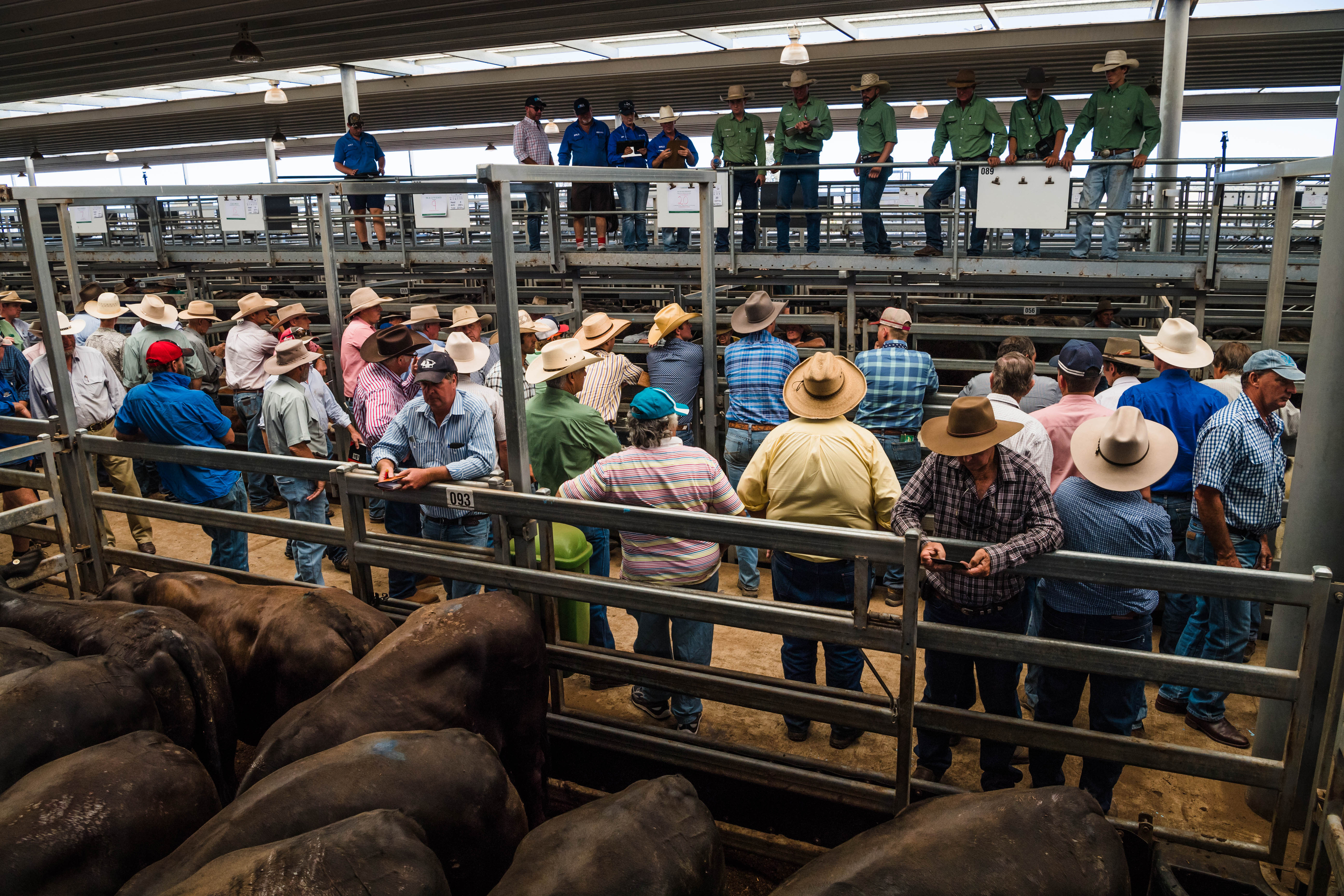
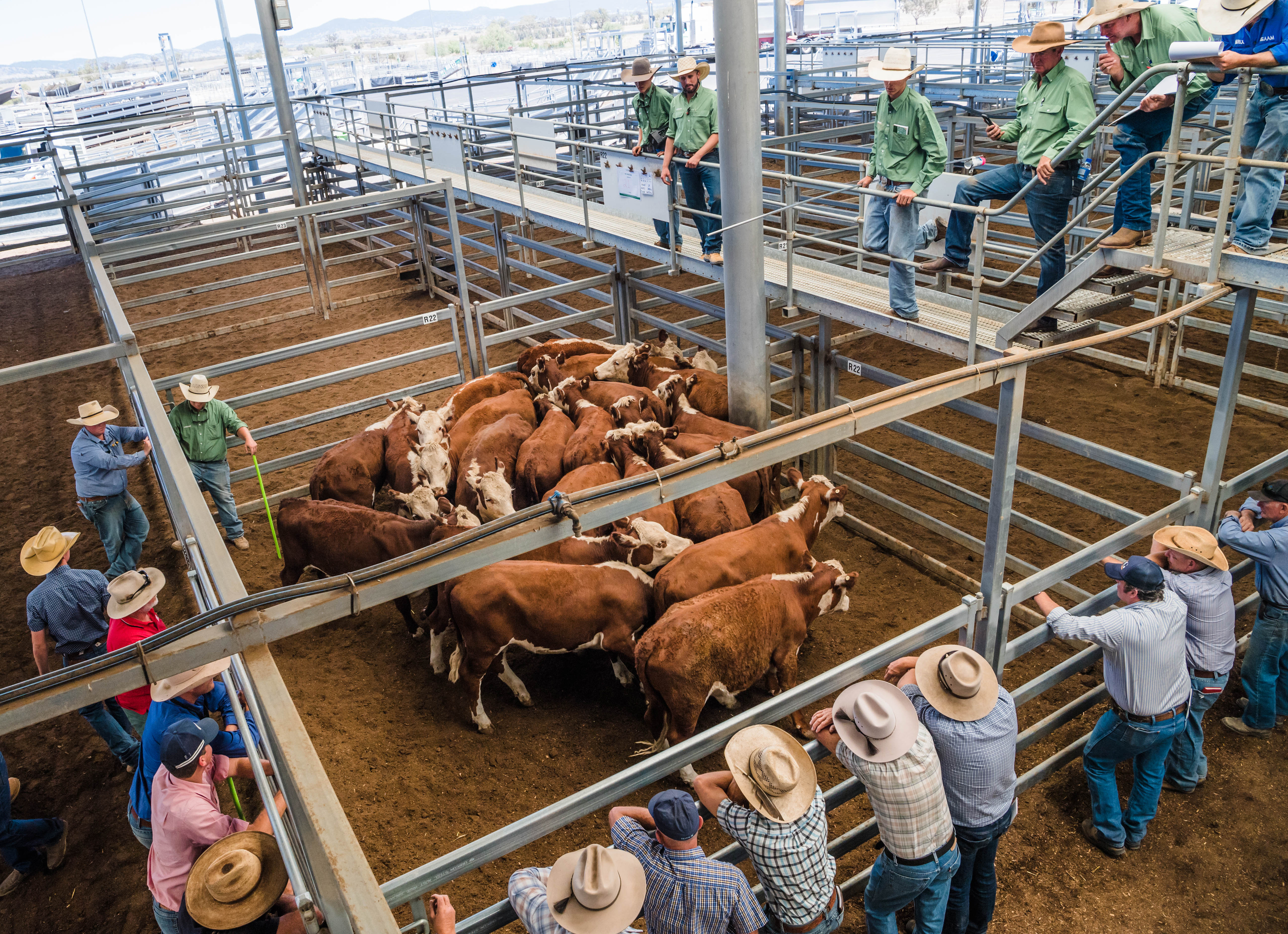
Preparing for a Stud Sale — Research, Budgets, and Catalogues
Preparation separates disciplined buyers from reactive ones. First, request the sale catalogue well ahead of time, then shortlist lots based on EBVs, bloodlines, and breeding objectives. Set a firm budget ceiling for each shortlisted animal and be strict about it. Visit the vendor's property or inspect cattle at pre-sale viewings wherever possible. Knowing what you want before the auctioneer starts calling bids is the single most effective way to avoid overspending.
Bidding Strategy and On-the-Day Decision Making
Auction environments are designed to create urgency. Experienced buyers stay patient, let the opening volleys settle, and bid with intention free of external pressure. If your top-pick lot exceeds your ceiling, then simply let it go. There is almost always a second or third option in the catalogue that meets your genetic criteria at a more workable price. Do not chase one animal at the cost of your broader breeding budget.
Online Stud Sales and Digital Marketplace Options
The shift toward online and hybrid sales has expanded access for producers who can’t attend in person. Platforms like Farmbuy allow buyers to browse stud stock listings, review genetics data, and compare animals across multiple vendors. Online sales also create transparency: catalogues, videos, and EBV summaries are available digitally, giving remote buyers the same information as those in the ring.
Top Cattle Breeds for Australian Stud Stock Programs
British Breeds — Angus, Hereford, and Shorthorn
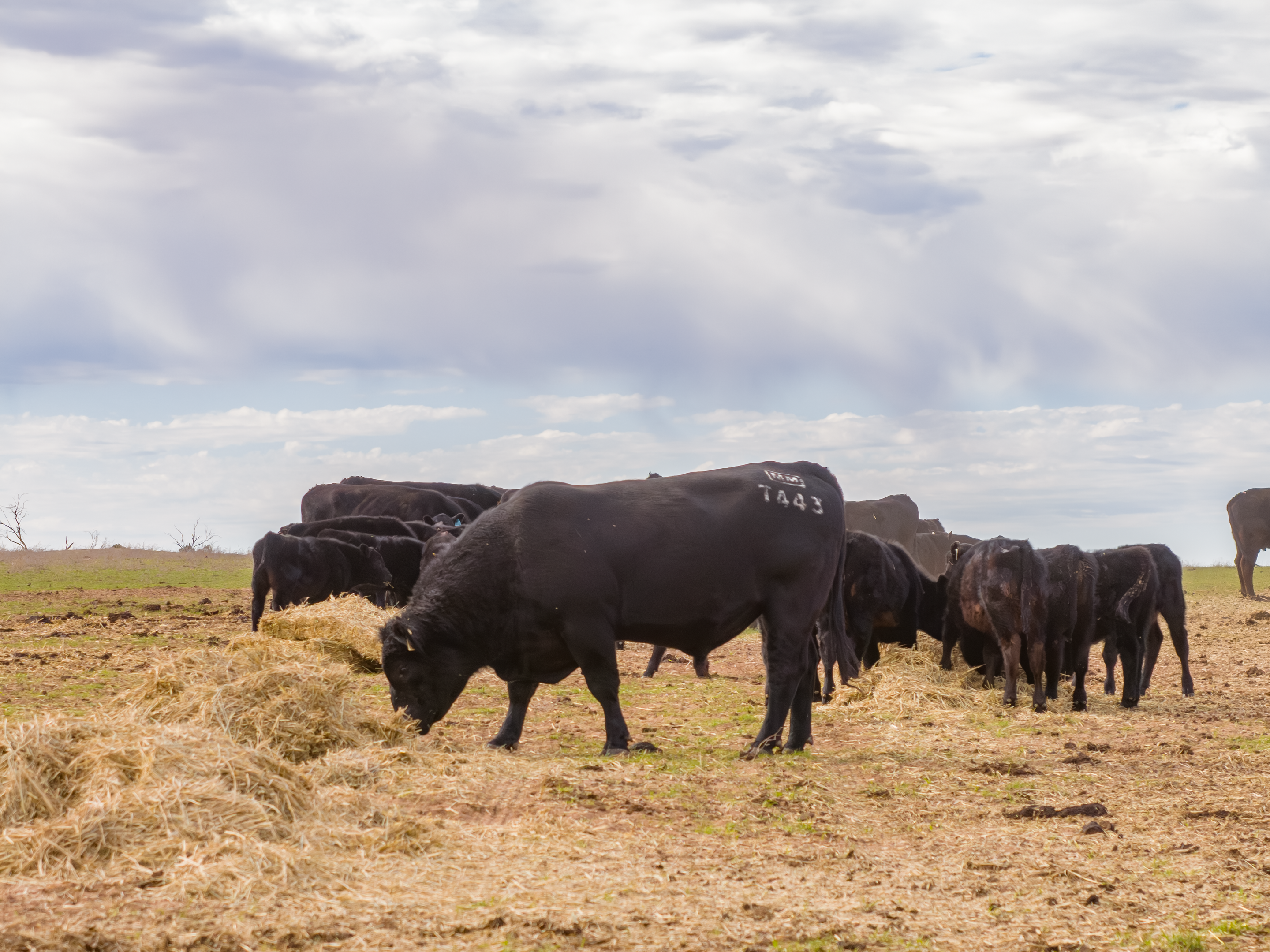
Angus dominates the Australian stud market by volume, driven by strong demand from both the domestic and export beef sectors. Hereford and Poll Hereford remain popular in southern temperate regions for their docility, foraging efficiency, and suitability to grass-finished systems. Shorthorn, though smaller in registered numbers, continues to attract breeders seeking versatility and strong maternal traits. All three British breeds have extensive BREEDPLAN databases, making genetic evaluation straightforward.
Tropical-Adapted Breeds — Brahman, Droughtmaster, and Santa Gertrudis
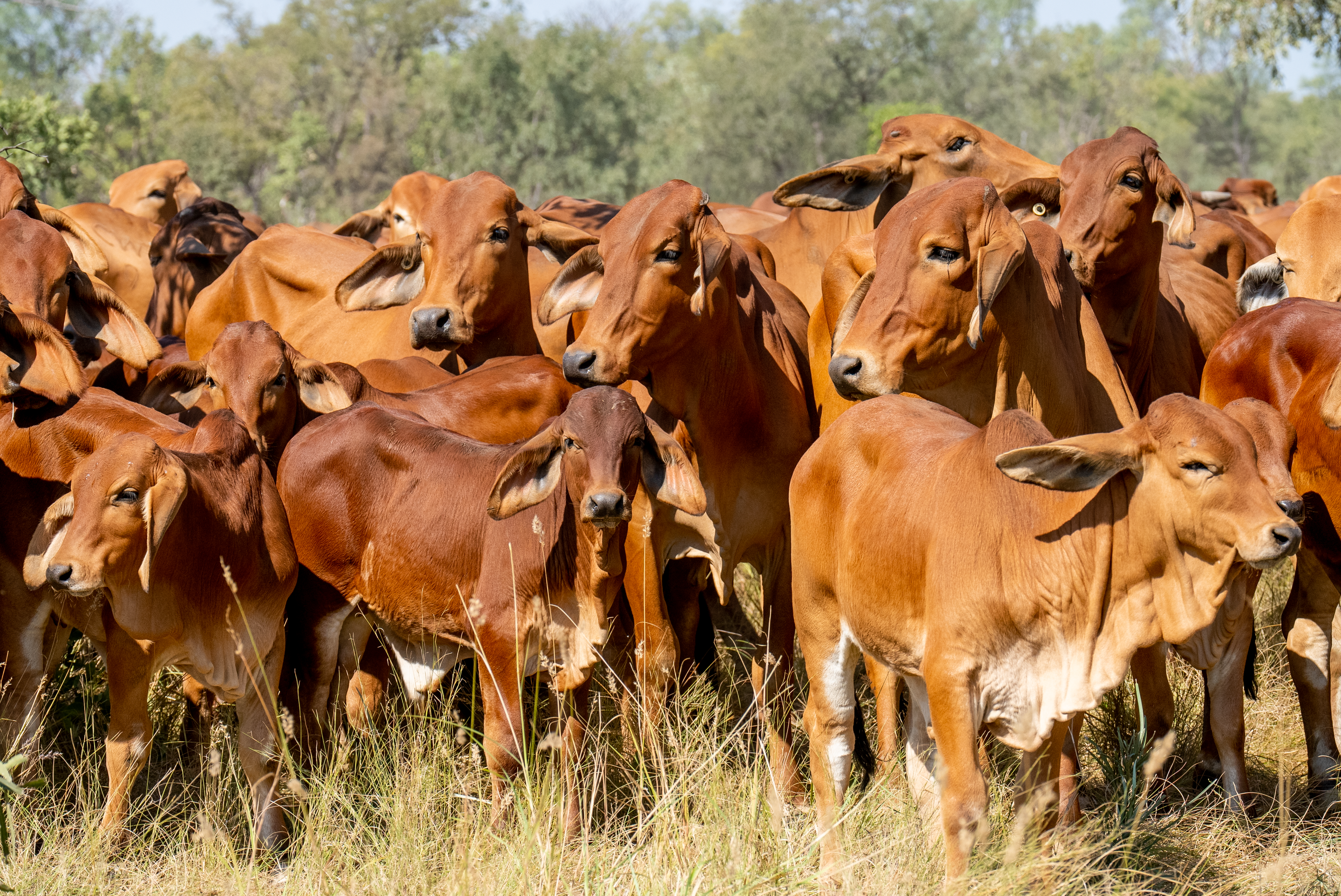
Tick resistance, heat tolerance, and the ability to perform on lower-quality pasture become non-negotiable north of the Tropic of Capricorn. Brahman genetics underpin much of northern Australia's cattle herd. Droughtmaster and Santa Gertrudis offer a balance between tropical adaptation and carcase quality, making them popular choices for producers targeting the EU or premium domestic markets from extensive northern land.
Composite and Crossbreeding Strategies
Composites are stabilised crossbreeds such as Charbray, Brangus, and Senepol crosses. They capture heterosis while reducing the complexity of multi-breed rotational systems. For many Australian producers, a well-planned crossbreeding strategy using stud sires from complementary breeds delivers rapid genetic gain compared to staying within one breed. Farmbuy listings cover stud stock across all major breed types, allowing producers to compare options and source genetics that match their particular country and market targets.
Key Considerations Before Purchasing Stud Stock
Health Testing, Veterinary Clearances, and Biosecurity
Every stud bull should pass a Bull Breeding Soundness Evaluation (BBSE) conducted by an accredited veterinarian before sale. This covers semen quality, serving capacity, and physical soundness. Additionally, check for Pestivirus, Johne's disease, and any regional biosecurity requirements. Reputable studs provide full health documentation. If a vendor cannot produce it, treat that as a red flag.
Matching Genetics to Your Country and Production Goals
A bull bred for high-rainfall coastal country will not necessarily perform on semi-arid western plains. Match your stud purchase to your environment, from rainfall, pasture type, altitude, and seasonal variability, as well as to your target market. A producer selling grassfed weaners to a domestic restocking market has different trait priorities than one finishing cattle for a Jap Ox or EU contract.
Calculating Return on Investment for Stud Purchases
A $10,000 bull that sires 150 calves over his working life adds roughly $67 per calf to your genetics cost. If those calves average even $50 more per head at sale due to improved growth, structure, or carcase compliance, the bull has paid for himself. Frame every stud purchase in these terms. The cheapest bull at the sale is rarely the best value, and the priciest is not necessarily the smartest buy either.
Frequently Asked Questions
1. What is the average price of stud cattle in Australia?
Stud bull prices vary widely depending on breed, genetics, and vendor reputation. At major on-property sales, average prices for registered bulls typically range from $8,000 to $15,000, though elite lots regularly exceed $50,000. Stud females generally sell between $3,000 and $10,000.
2. How do I read and interpret BREEDPLAN EBVs when selecting stud stock?
EBVs are expressed in the units of each trait: kilograms for growth, millimetres for fat depth, square centimetres for eye muscle area. Compare an animal's EBVs against breed percentile bands to understand where it ranks. Focus on the traits most relevant to your breeding objective rather than chasing high figures across every category.
3. What is the difference between a stud bull and a commercial bull?
A stud bull is registered with a breed society, carries verified pedigree records, and has documented performance data. A commercial bull may be purebred but lacks formal registration and the genetic traceability that underpins confident breeding decisions.
4. Which cattle breeds are best suited to northern Australian conditions?
Brahman, Droughtmaster, Santa Gertrudis, and Brangus are among the most widely used breeds in tropical and subtropical Australia due to their tick resistance, heat tolerance, and ability to thrive on extensive native pasture.
5. How many cows can one stud bull service per season?
A mature, sound bull can typically service 25 to 40 cows per joining, depending on paddock size, terrain, and the length of the mating period. Younger bulls should be joined at lower ratios until they reach physical maturity.
6. What health tests should stud cattle pass before purchase?
At minimum, bulls should pass a Bull Breeding Soundness Evaluation (BBSE), which covers semen morphology, serving capacity, and structural assessment. Additional testing for Pestivirus, Johne's disease, and regional biosecurity conditions is also recommended.
7. Is it better to buy stud stock at auction or through private sale?
Both channels have merit. Auctions offer competitive pricing and the ability to compare multiple lots in one session. Private sales allow more time for inspection, negotiation, and tailored genetic matching. Many producers use a combination of both.
8. How does Farmbuy help producers find quality stud stock listings?
Farmbuy is an Australian livestock marketplace where producers can browse stud stock listings across all major breeds, compare genetics data, and connect directly with vendors. The platform makes it easier to research and shortlist animals before committing to a purchase, whether buying at auction or through private treaty.
Making Confident Stud Stock Decisions
Choosing the right cattle stud stock is not a decision to rush. It demands clear breeding objectives, disciplined genetic evaluation, and the practical sense to match an animal's data to the country it will work in. The producers who build consistently high-performing herds are those who treat every stud purchase as a long-term investment.
Browse current stud stock listings on Farmbuy to compare breeds, review genetics, and connect with vendors across Australia. The right sire for your herd is worth the effort in searching.
