






Speckle Park Cattle
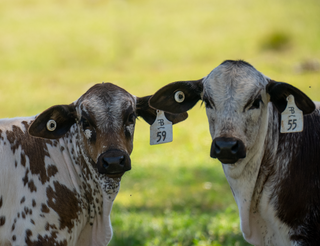
Walk into any Australian beef paddock and the odds of spotting a Speckle Park have lifted sharply over the past decade. The breed, with its instantly recognisable black and white coat, has gone from a niche curiosity to commercial contender in just over 15 years. For producers desiring premium carcase, calving ease, and animals that handle the summer heat without difficulty, Speckle Park cattle make a compelling case. The Australian market now has a deepening pool of stud genetics available across New South Wales, Queensland, Tasmania, and beyond.
This guide walks through the breed's origins, what makes it distinctive, why it suits Australian conditions, what the beef delivers at the rail, and where to find Speckle Park cattle for sale on Farmbuy.
Speckle Park Cattle Studs



Latest Speckle Park Cattle News
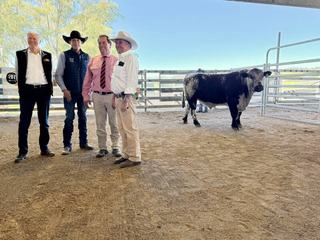
Three Minnamurra Speckle Park bulls are bound from Coolah to Boulia in far western Queensland after an interstate bidder paid the top price...
Heavy interstate interest featured at the 11th annual Minnamurra Speckle Park sale at Mount Mill, Coolah, on Friday, September 4, with the...
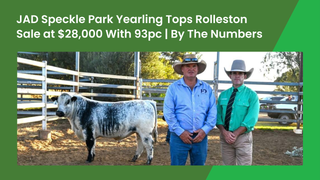
Repeat clients dominated the JAD Speckle Park and Angus stud's third Queensland bull sale at Rolleston on Friday, August 21, where a...
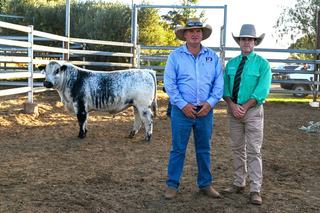
Repeat clients were dominant at JAD Speckle Park and Angus stud's third Queensland bull sale on Friday, August 21, where a yearling Speckle...
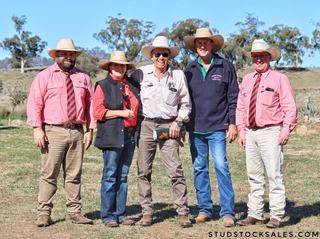
The first sons of Canadian embryo import Firestone have been offered in Australia, attracting plenty of interest at the Oakey Creek Speckle...
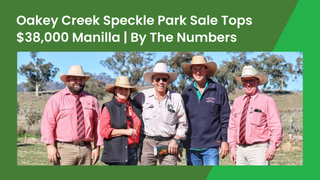
The first Australian-offered sons of Canadian embryo import sire Firestone drew strong competition at the Oakey Creek Speckle Park...
Consistency, excellence and a commitment to pioneering the best possible future from the beef industry were front and centre at The Land's...
Confidence and passion for the beef industry were on full display across the five days of The Land's Southern Beef Week, as new and...
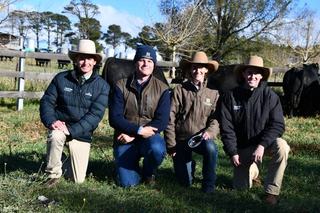
A crisp and snowy morning did nothing to deter buyers from the chance to pick up quality genetics at the Hazeldean Angus Autumn Bull Sale...
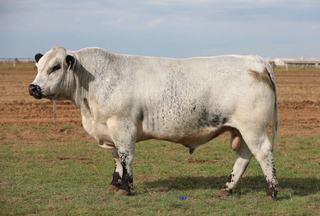
Buyers from four states on the hunt for a rare jewel were rewarded at the Black Diamond Speckle Park sale, with impressive heifers in hot...

Stud buyers from four states snapped up high-quality Speckle Park females in Hillview Speckle Park's herd reduction sale.

A bull with a balance of growth and carcase attributes has risen to the top of the inaugural Spring Into Speckles sale, held on Saturday...
Where did Speckle Park cattle come from?
A Canadian breed with a global footprint
The Speckle Park breed traces its origins to the prairies of Saskatchewan, Canada. The first generation animals were selectively bred from the late 1950s onwards, but it was not until 2006 that the Canadian government officially recognised Speckle Park as a separate beef breed, and from there it travelled. Serious herds are now established in Australia, New Zealand, the United Kingdom, and the United States.
The Aberdeen Angus, Shorthorn and White Park cross
The genetic foundation is a deliberate three way blend. Aberdeen Angus contributed marbling and finish, Shorthorn brought milk and maternal strength, and White Park cattle supplied the distinctive markings and heritage hardiness. The result is a medium framed animal with a polled head, a calm nature, and a coat that no observer is likely to mistake for anything else.
How Speckle Park became established in Australia
Embryos and live animals first arrived on Australian soil in the late 1990s. Today, registered Speckle Park breeders operate across most mainland states and Tasmania. Demand for premium beef has steadily expanded the breed's commercial footprint, and breed society membership has tracked that growth.
What makes the Speckle Park breed distinctive?
The four colour patterns explained
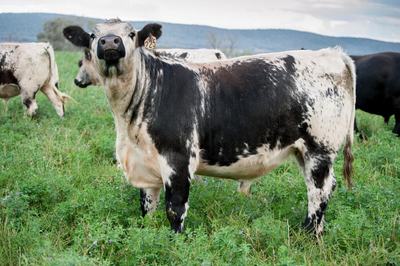
Every registered Speckle Park animal sports 1 of 4 officially recognised colour patterns:
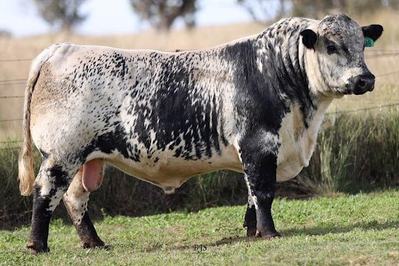
- The classic speckled pattern shows fine black and white markings across the body
- The leopard pattern displays larger, more pronounced black spots on a white base
- White with black points refers to a predominantly white animal carrying black ears, eyes, nose, and feet
- The fourth pattern is solid black, which can occasionally be confused with Angus by the untrained eye
Red Speckle Park cattle do appear as a recessive expression, though the four patterns above remain the registered standard.
Why every registered animal is naturally polled
A defining feature of the breed is that all registered Speckle Park cattle are naturally polled. Among polled cattle breeds in Australia, this trait makes for safer handling, lower vet bills, and a gentler experience for the stockperson and the animal alike.
Temperament, frame and size
Mature Speckle Park bulls weigh on average between 850 and 1,100 kilograms, while cows sit in the 550 to 700 kilogram range. The breed is noted for an even temperament and a steady disposition that manifests within an hour of working a small mob through the yards.
Why Speckle Park cattle suit Australian conditions
Drought tolerance and summer heat performance
A breed forged in Saskatchewan winters might seem an odd fit for the Riverina or Central Queensland in February, yet Speckle Park cattle have proven remarkably adaptable. The thick coat that protected them in Canadian snow sheds early in spring, and the breed's efficient feed conversion translates into endurance through tough seasons. Drought hardy cattle Australia wide come in numerous forms, but Speckle Parks have built a reputation for staying productive when feed gets thin.
Calving ease and low intervention herds
Speckle Park calving ease gives it a commercial edge. Calves are normally born without assistance, stand and suckle within minutes, and grow steadily from a low birth weight base. For both large scale producers and ones with limited labour, that matters at the bank as much as it does in the paddock.
Use across northern and southern Australian systems
From the high country of southern Tasmania to the cattle belt of central New South Wales, and the warmer pastures of southeast Queensland, Speckle Park cattle now feature in pure herds and crossbreeding programs alike. Producers in Victoria, Western Australia, and South Australia have steadily added the breed to their operations.
Sourcing Speckle Park cattle for sale: leading Australian studs
How to assess a stud: Breedplan, EBVs and provenance
Before signing on a Speckle Park bull or heifer, serious buyers tend to assess three things. First, whether the stud submits to Breedplan and publishes Estimated Breeding Values for traits that matter, including birth weight, 200 day growth, and carcase metrics. Second, the breeding history of the animal in front of them. Third, the broader reputation of the stud in the show ring and at the rail.
Established stud names buyers should know
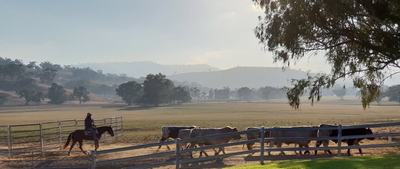
A handful of Australian Speckle Park breeders have garnered recognised reputations. Wattle Grove Speckle Park, based in New South Wales, supplies high quality genetics and runs a Beef Finder Map that helps consumers locate Speckle Park beef in their area. Three 2 One Speckle Park is a smaller enterprise with a steady following. MAK Speckle Park offers a focused herd profile aimed at the working farmer. Minnamurra Speckle Park, also in New South Wales, runs one of the largest purebred Speckle Park herds in the world and supplies both stud and commercial animals. JAD Speckle Park has built its reputation on rigorous performance recording and global genetics. Stellar Speckle Park in Tasmania specialises in commercially relevant working bulls backed by strong data.
Browsing live listings on Farmbuy
Speckle Park bull and heifers for sale across these and other studs sit on Farmbuy, where buyers can compare animals from multiple states in a single search and contact stud breeders directly without the back and forth of phone tag.
Speckle Park beef: carcase quality and commercial value
Dressing percentages, marbling and yield
At the rail, Speckle Park dressing percentage often exceeds 60 percent, which is a noteworthy lift over several British breeds. Marbling scores frequently match or surpass Angus, particularly when the animal is finished on quality pasture or in a well managed feedlot.
Omega 3 levels and eating quality
Recent Australian research has drawn attention to unusually high omega 3 fatty acid content in Speckle Park beef. Combined with consistent tenderness and a clean flavour profile, the breed has become a quiet favourite among upmarket butchers and chefs.
Why processors and chefs are paying attention
Premium beef buyers demand a familiar set of attributes. Speckled beef cattle deliver on most of them, with the added bonus of a paddock presence that makes farm gate marketing easier. Several commercial vendors using Farmbuy now sell direct to finishers and processors targeting boutique retail.
Choosing your first or next Speckle Park
Speckle Park cattle have transitioned from a novelty to a credible commercial choice in a stunningly short window. The combination of premium carcase outcomes, naturally polled genetics, calving ease, and proven Australian acclimatisation gives the breed a clear case among Australian cattle breeds. The decision that matters most is the stud match, not just the colour pattern. Browse current Speckle Park listings on Farmbuy to compare animals across studs, states and price points in one place.
Frequently Asked Questions
How much do Speckle Park cattle cost in Australia?
Prices vary by sex, age and pedigree. Commercial heifers commonly sit between $2,500 and $5,000, while stud bulls regularly reach $10,000 to $30,000 or higher at premium sales.
Are Speckle Park cattle good for first time breeders?
Yes. The combination of calving ease, polled genetics, and calm temperament makes the breed a sensible starting point for new producers.
What is the difference between a black Speckle Park and an Angus?
Visually, very little at a glance. The giveaway is the registration. A solid black Speckle Park traces back to recognised Speckle Park bloodlines, whereas an Angus does not.
Do Speckle Park cattle have any disadvantages?
A smaller mature size compared with continental breeds, and a still developing pool of long term carcase data, are the most cited points. Premium genetics also command premium prices.
Are red Speckle Park cattle officially recognised?
The four registered colour patterns remain the standard. Red expressions occur but are not part of the formal registry classification.
Which states have the most Speckle Park studs?
New South Wales leads, followed by Queensland, Victoria, Tasmania and Western Australia.
Can Speckle Park bulls be used over Angus cows?
Yes. This is one of the most common crossbreeding programs in Australia today, often delivering the calving ease and marbling of Speckle Park with the maternal traits of Angus.
Where can I find Speckle Park heifers for sale near me?
Farmbuy lists current Speckle Park heifers, bulls and calves across every Australian state, with stud and commercial listings filterable by region.
