










Senepol Cattle
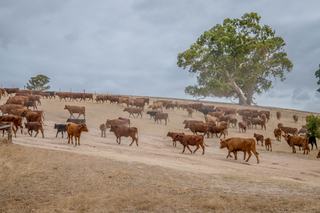
Few breeds have shifted the conversation around northern Australian beef as rapidly as the Senepol. A tropically adapted Bos taurus breed developed on the Caribbean island of St. Croix, Senepol cattle arrived in Australia in the mid 1990s and have steadily carved out a reputation among producers demanding two outcomes that rarely come together: strong heat tolerance and premium beef quality.
This guide pulls together what Australian buyers need to know about the breed. It covers the science behind the famous slick coat gene, performance in commercial and feedlot systems, the registered studs producing the genetics, and the practical pathway for buying bulls, cows, or heifers. Listings, stud profiles, and supporting livestock health products are aggregated on Farmbuy.
Senepol Cattle Studs





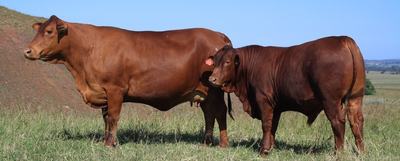
Latest Senepol Cattle News
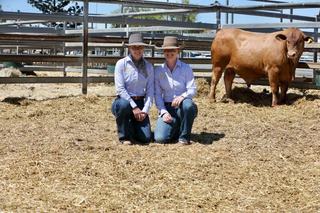
Another complete clearance was attained at Monday's annual 5 Star Senepol sale at CQLX, Gracemere.

The annual 5 Star Senepol sale delivered a complete clearance at CQLX, Gracemere, on Monday, with the Jambin-based stud's 53 Senepol bulls...

Another complete clearance of 65 bulls was attained at Monday's annual 5 Star Senepol Sale at CQLX, Gracemere.

Strong interest from northern parts of Australia helped the seventh annual Seifert Belmont Reds bull sale, held on-property at Jandowae on...

A bull from the Atherton Tablelands on a quick spell from serving females has won grand champion Senepol at Ekka 2025.

Calliope beef producer Philip Mann, Wycheproof, couldn't have been happier after jagging three bulls for the price of two at this year's NT...

A Brangus cow's functionality and femininity made her a standout at the 70th annual Yeppoon Show on the weekend, May 7 and 8.

The Gympie Show on May 15 to 17 attracted a range of breeds to its stud cattle competition.
What are Senepol cattle? Origin, genetics and breed background
From St. Croix to Australia: the N'Dama and Red Poll cross
The Senepol was developed on St. Croix in the United States Virgin Islands, where breeders crossed the heat tolerant N'Dama cattle of West Africa with English Red Poll bloodlines. The result was a polled, red coated animal that fused the environmental resilience of a tropical breed with the carcase performance of a British one.
Why Senepol qualifies as a true Bos taurus breed
Despite its tropical origins, the Senepol is classified as Bos taurus, not Bos indicus. That distinction is relevant commercially. Bos taurus breeds typically deliver higher tenderness scores, better marbling, and earlier puberty than Bos indicus cattle, and the Senepol carries those traits through to Australian conditions, where most heat resilient options are zebu derived.
When Senepol cattle arrived in Australia
The first Australian Senepol genetics were imported in the mid 1990s. Adoption was initially slow and concentrated in northern New South Wales and southern Queensland. Since then, the registered Senepol cattle breed has expanded as composite programmes have proven their worth in both seedstock and feedlot operations.
The slick gene advantage: heat tolerance without the Bos indicus trade off
How the slick coat gene regulates body temperature
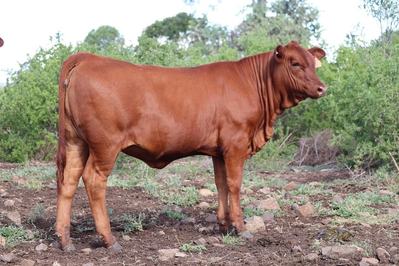
The Senepol carries a dominant slick coat gene that produces a short, smooth, almost glossy coat. Cattle expressing this gene maintain a lower core body temperature in heat, sweat more efficiently, and continue grazing through hotter periods without much issue. The slick gene cattle is genetic, which makes it heritable through crossbreeding programmes.
Natural tick resistance and parasite pressure
The same short coat that aids cooling also reduces the surface area available to ticks and biting insects. Producers in tick endemic regions consistently report lower tick burdens on Senepol and Senepol cross cattle. This consequently results in fewer chemical treatments and less production loss.
Why this matters for northern Australian producers
For northern Australian beef operations navigating through extreme heat and tighter chemical use rules, tropically adapted cattle that retain Bos taurus carcase quality are highly valuable. The breed has found particular traction with heat tolerant beef breeds that Queensland producers run, where summer wet season conditions place real pressure on cattle that have not been bred for the climate.
Meat quality, fertility and temperament: the commercial case
MSA four star striploin results and beef tenderness
Meat Standards Australia testing of Senepol striploins has returned an average eating quality grade of 4 stars, an irregularly high result for a tropically adapted breed. The figure consistently bests competing tropical breeds and matches what many British breed producers achieve in temperate systems.
Calving ease and early puberty
Senepol females reach puberty earlier than Bos indicus heifers and have a stellar reputation for calving ease. Calves are notably vigorous at birth, often standing and nursing within minutes. That vigour reduces neonatal losses and supports tighter calving patterns in expansive operations.
Docile temperament and reduced stress at processing
The breed is widely described as calm and easy to handle. Temperament is key not just for yard safety: calmer cattle produce lower stress hormones at processing, which protects the tenderness data the breed is known for. The Australian Senepol Cattle Breeders Association publishes genetic data and breed standards that producers reference to compare bloodlines and verify registered Senepol genetics before purchase.
Senepol cattle in Australian production systems
Registered Senepol studs across NSW and QLD
A small but credible network of registered studs anchors the Australian breed. Namoona Trig Senepols and Southern Star Rural in New South Wales are well-known sources of structurally sound bulls. Maynard Cattle Co operates from Queensland and supplies producers across the northern beef belt. The 5 Star Senepol stud, profiled separately on Farmbuy, has built a name for proven bloodlines suited to commercial composite programmes.
Senegus and Senepol Charolais composites in feedlots
Senepol genetics are increasingly prevalent for developing composite cattle. Senegus cattle, the Senepol crossed with Angus, combine the slick coat with Angus carcase traits, and have become a feedlot favourite. The Senepol Charolais cross goes further on growth, producing sleek coated F1 bulls that preserve condition well through summer feeding.
Performance metrics: 4.6 kg per day in feedlot composites
Producers running Senepol-based composites have recorded daily weight gains as high as 4.6 kg per day in feedlot conditions, a figure that positions the breed as a potent commercial asset. Its performance has driven recent growth in registered Senepol genetics demand amongst northern Australian beef operators.
How to buy and manage Senepol stock in Australia
Where to find Senepol bulls, cows and heifers for sale
Active Senepol cattle for sale listings are concentrated through specialist studs and Farmbuy Livestock. Buyers can filter by state, sex and price, with current Senepol listings spanning across NSW, QLD, and parts of Victoria.
Lease versus purchase: the Commercial Bull U11 example
Not every operation needs to buy outright. Specialists like Everest Speckle Park list options including the Commercial Bull U11, which is available either for purchase or lease. Lease arrangements can be useful for producers trialling Senepol genetics in a single mob before committing to a full breeding programme.
Health management: parasite control and trace elements
Senepol cattle are usually run in humid environments where parasite pressure is persistent and selenium deficiency is common. A long acting parasite control such as Neovemox Injection, paired with a selenium supplement like Selovin LA, both available through suppliers like N&W Livestock, helps maintain condition through the wet season and into joining.
Why Senepol cattle are reshaping northern Australian beef production
The Senepol's case rests on three things: the slick coat gene that regulates body temperature, MSA 4-star carcase data, and a network of Australian studs producing genetics that work. For northern producers weighing heat tolerance against meat quality, the trade off is no longer as steep as it once was. Browse current Senepol cattle listings, registered stud profiles, and supporting livestock health products on Farmbuy to compare options before the next sale season.
Frequently asked questions
What is a Senepol bull worth in Australia?
Registered Senepol bulls typically sell from around $6,000 for commercial sires up to $20,000 or more for high index stud bulls, depending on age, EBVs, and stud reputation.
Are Senepol cattle suitable for Queensland's climate?
Yes. The slick coat gene and Bos taurus carcase traits are well suited to Queensland's conditions, particularly in the central and northern regions where heat stress regularly limits temperate breed performance.
How does Senepol beef compare to Brahman or Angus?
Senepol beef regularly outperforms Brahman on tenderness and competes closely with Angus on MSA grading, while retaining heat tolerance neither pure Angus nor most British breeds can match.
What is the difference between a Senepol and a Senegus?
A Senegus is a Senepol crossed with an Angus, blending Senepol heat tolerance and slick coat with Angus marbling and growth.
Where is the Australian Senepol Cattle Breeders Association based?
The Association manages the Australian breed registry and publishes performance data for member studs.
Can Senepol bulls be leased rather than purchased outright?
Yes. Several Australian sellers, including Everest Speckle Park, list bulls for either lease or sale.
Do Senepol cattle still need parasite control programmes?
Yes. The breed has improved tick resistance, but a baseline programme using long acting products like Neovemox Injection remains important in humid environments.
Are black Senepol cattle a separate variety?
No. Black coated Senepol cattle exist within the breed, particularly in some composite lines, but they are not classified as a separate variety.
