















Studstock Buying Tips: Avoiding Common Pitfalls for First-Time Breeders
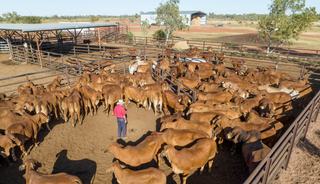

Purchasing your first stud livestock feels daunting, and for good reason. These animals stand as a significant investment and will shape your herd's genetics for the near future. A single bull might sire 400 or more calves across its working life, which is a notable influence riding on one purchasing decision.
The reassuring truth is that most first-time buying mistakes are entirely preventable. With proper preparation and knowledge of common pitfalls, you can make purchases that improve your breeding program.
This guide covers the mistakes new breeders most frequently encounter and provides practical steps to avoid them. Farmbuy connects Australian producers with quality studstock nationwide, helping first-time buyers research options and connect with reputable breeders before committing to purchases.
Why First-Time Studstock Purchases Often Go Wrong
The Cost of Learning Through Expensive Mistakes
Studstock represents one of the largest single investments in any breeding operation. Commercial bulls will typically cost $8,000 to $15,000, with elite genetics commanding $25,000 or more. Quality rams range from $1,500 to $5,000 for commercial buyers.
A poor purchase introduces genetics that limit your herd's performance for generations. Daughters retained as breeders continue passing those traits forward, compounding the original error. Learning through trial and error at these price points will come with crippling expenses.
Emotional Buying Versus Strategic Selection
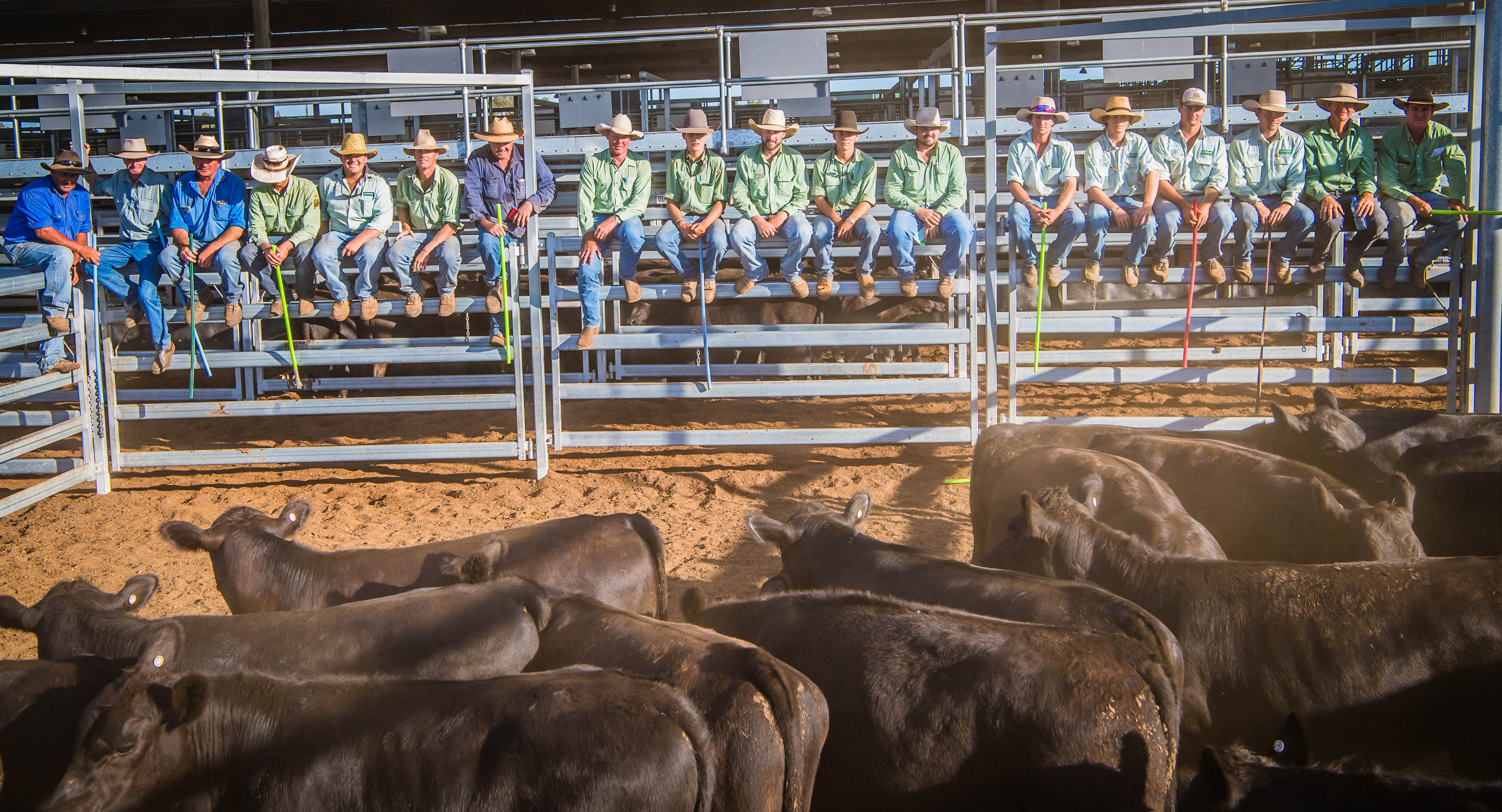
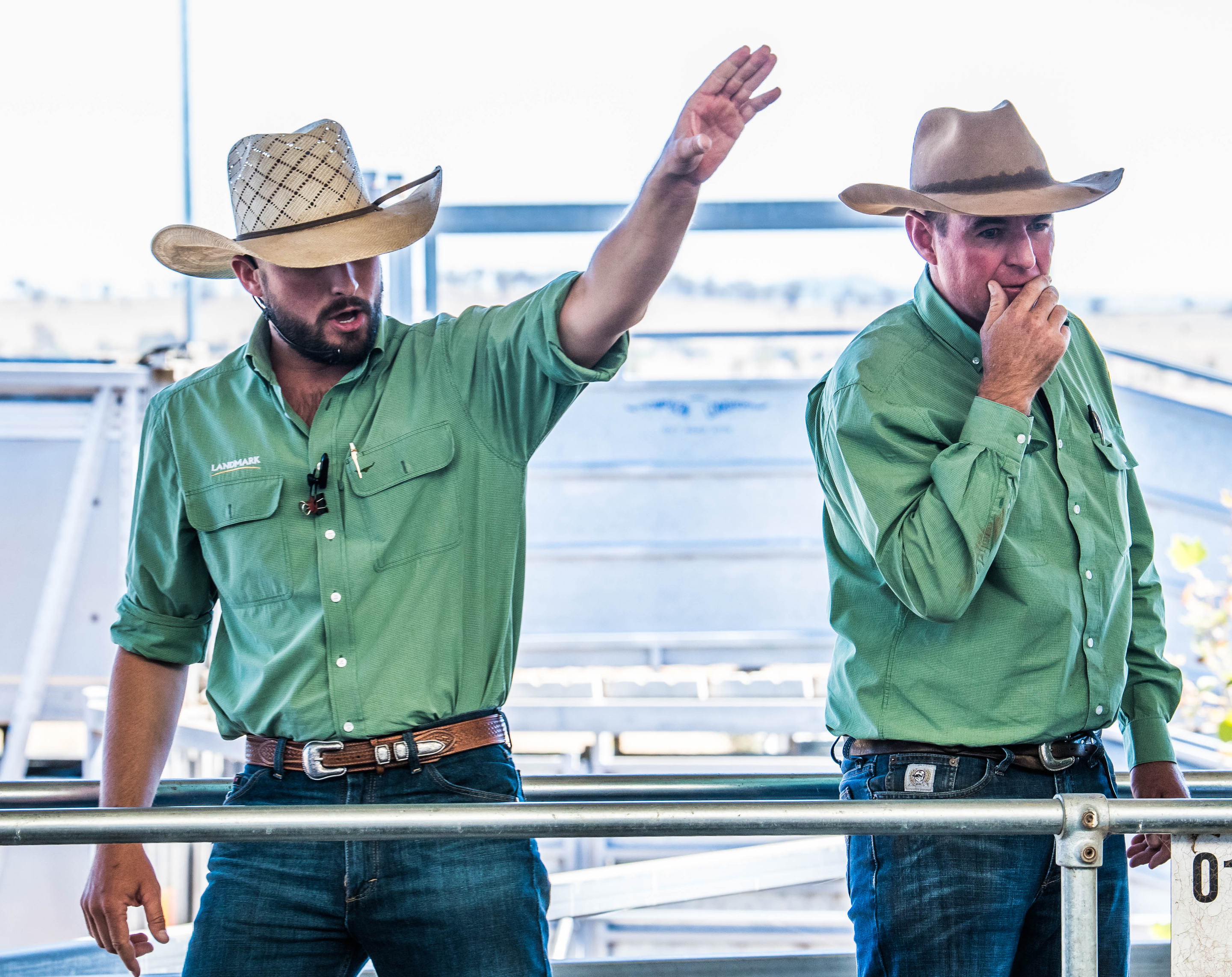
Auction environments create pressure that may very well catch inexperienced buyers off guard. The competitive atmosphere, fast-paced bidding, and impressive animals parading through the ring trigger emotional responses that can override careful planning.
Many first-time buyers arrive with vague intentions and leave having purchased animals that don't match their actual needs. They've bought what looked impressive on the day instead of what their breeding program required.
Strategic selection means arriving with clear criteria, predetermined budget limits, and shortlisted lots based on verified performance data. It means knowing when to bid and, critically, when to stop.
The Knowledge Gap New Breeders Face
Experienced producers have accumulated knowledge through years of observation. They've seen how certain bloodlines perform across seasons, which structural traits predict longevity, and which vendor promises hold true.
First-time buyers lack such years of experience. The good news is that research, preparation, and asking the right questions can close much of this knowledge deficit before you spend.
Five Common Studstock Buying Mistakes and How to Avoid Them
Mistake 1—Skipping Breeding Objective Planning
Purchasing studstock without clear goals leads to mismatched genetics. Before browsing listings or attending sales, define what you're breeding for.
Ask yourself these questions:
- Are you targeting growth rates, fertility, carcase quality, or some combination?
- What traits does your current herd lack that you want to improve?
- What market are you producing for, and what do buyers demand?
- What environmental conditions must your livestock thrive in?
Your answers should guide every purchasing decision. A bull bred for maximum growth in feedlot conditions is not fit for extensive rangeland systems. Genetics optimised for southern climates would struggle in tropical regions.
Mistake 2—Prioritising Appearance Over Performance Data
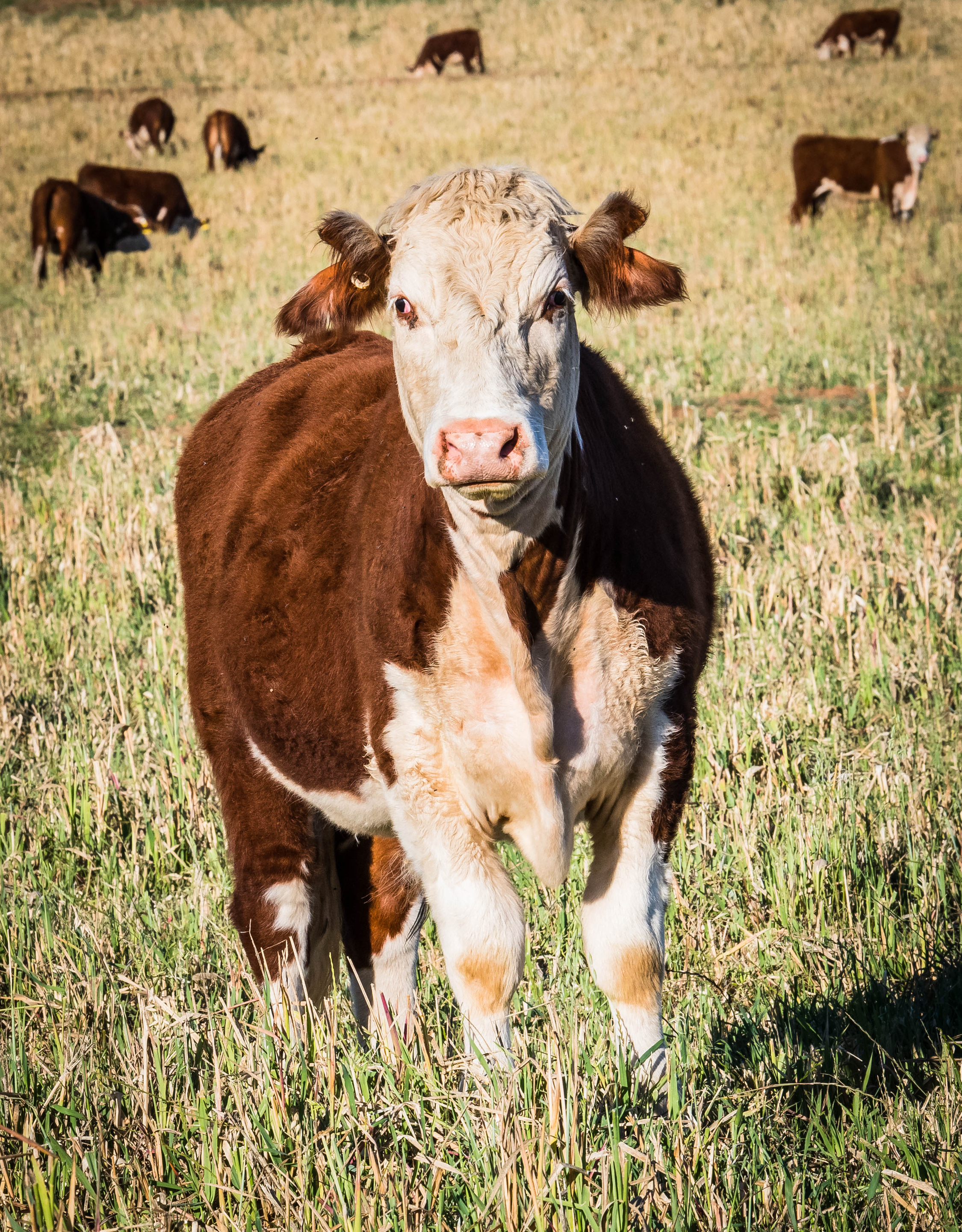
Visual appeal misleads many first-time buyers. An impressive-looking animal that parades well may carry genetics that are detrimental for progeny results.
Estimated Breeding Values (EBVs) provide objective evidence of genetic merit. Published by breed societies utilising performance recording data, EBVs express expected genetic differences in meaningful units. For instance, a bull with a +50 EBV for 400-day weight is expected to produce calves 50 kilograms heavier at that age than a bull with 0 EBV.
Access breed society databases to verify claims and compare animals against breed averages. Let the data, not showmanship, guide your shortlist.
Mistake 3—Neglecting Health and Fertility Documentation
Never finalise a studstock purchase without appropriate health documentation.
For bulls, a Bull Breeding Soundness Evaluation (BBSE) conducted by an accredited veterinarian assesses physical soundness, scrotal measurements, and semen quality. This certificate confirms the animal can perform the job you're buying it for. Request documentation dated within three months of purchase.
Disease testing requirements vary by region, but the minimum documentation coverage should include pestivirus, vibriosis, and trichomoniasis status. Seek additional assurance from vaccination records as well.
Missing paperwork signals risk. Reputable vendors would provide documentation willingly, so deflections or delays should raise concerns.
More Pitfalls That Catch First-Time Buyers
Mistake 4—Arriving at Sales Unprepared
Auction catalogues are published weeks before sale day for good reason. They allow buyers to research genetics, review breeding values, and identify lots that are of interest.
First-time buyers who arrive without having studied the catalogue make reactive emotional decisions. They bid on animals that catch their eye rather than those matching their breeding objectives.
Before attending any sale:
- Review the catalogue thoroughly and note lot numbers of interest
- Research unfamiliar bloodlines through breed society records
- Set a firm budget ceiling for each shortlisted animal
- Understand bidding increments and registration requirements
Mistake 5—Failing to Inspect Animals in Person
Catalogue data tells part of the story, and physical inspection completes the picture.
Arrive early on sale day to examine shortlisted lots. Assess structural soundness carefully: feet, legs, and movement matter enormously. Bulls and rams cover considerable ground during joining. Consequently, structural faults lead to lameness, reduced serving capacity, and shortened working life.
Check sheath conformation in bulls, and examine testicle size and symmetry in rams. Also observe temperament during handling. Aggressive or highly nervous animals create ongoing management problems.
Mistake 6—Ignoring the Vendor's Reputation
Not all studs operate to the same standards. Make sure to research vendors before purchasing their genetics.
Indicators of reputable operations to look for are:
- Breed society membership
- Participation in genetic evaluation programs
- Transparent record-keeping
- Willingness to discuss breeding decisions openly
After-sale support, follow ups on purchased animals, and offering management advice distinguish exceptional studs from those only concerned with making sales.
Do ask other producers about their experiences. Reputation travels in agricultural communities.
How to Prepare for Your First Studstock Purchase
Research Studs and Listings Before Committing
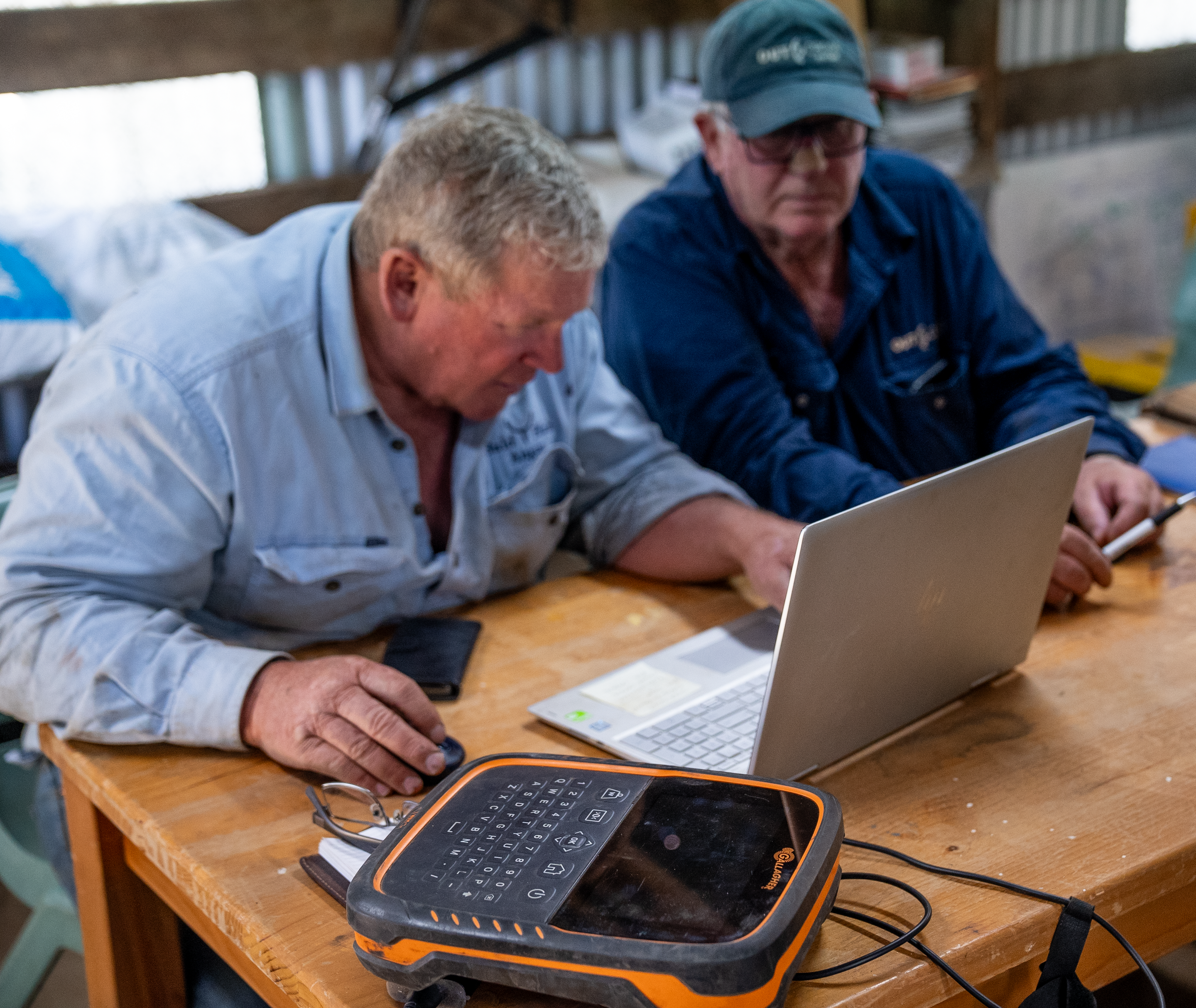
Farmbuy provides a practical starting point for researching studstock options across Australia. Browse listings filtered by breed, location, and price range to identify suitable genetics without travelling thousands of kilometres.
Don’t forget to contact breeders with questions before attending sales. Most welcome enquiries and appreciate buyers who've done their homework.
Build a Pre-Purchase Checklist
A written checklist builds confidence and prevents oversights. Include:
- Defined breeding objectives and target traits
- Budget ceiling (maximum you'll bid)
- Required documentation (BBSE, disease testing, vaccination records)
- Physical inspection criteria
- Transport arrangements and quarantine plans
Consider Starting with Private Sales
First-time buyers often benefit from private treaty purchases where they can inspect animals without auction pressure. On-farm visits allow thorough assessment and direct conversation with breeders about genetics and management.
These relationships can become valuable long-term, as breeders familiar with your operation can recommend suitable genetics as they become available.
Building Confidence as a First-Time Buyer
Ask Questions Without Embarrassment
New buyers sometimes hesitate to ask questions, fearing being perceived as inexperienced. However, this reluctance will cost them valuable information.
Reputable breeders welcome enquiries. They want their genetics placed in operations where they'll perform well. Ask about feeding regimes, joining management, progeny performance, and any concerns you have. Conversely, vendors who dismiss questions or provide vague answers warrant caution.
Learn from Each Purchase Experience
Frame early purchases as learning opportunities. Track how purchased genetics perform in your environment. Note which traits materialise as expected and which disappoint.
This accumulated knowledge informs future buying decisions, gradually closing the experience gap that makes first-time purchasing challenging.
Start Your Breeding Program with Confidence
First-time studstock buying mistakes are preventable. Clear breeding objectives, thorough research, and proper documentation protect your investment and set your program on solid foundations.
Asking questions, inspecting animals, and verifying claims are not a show of weakness or distrust to be feared, but simply wise due diligence.
Browse studstock listings on Farmbuy to research breeders, compare genetics, and connect with reputable studs across Australia. Taking time to prepare before your first purchase pays dividends in later years.
Frequently Asked Questions
How much should I budget for my first stud bull or ram?
Commercial bulls range from $8,000 to $15,000, while quality rams sell for $1,500 to $5,000. Budget according to your operation's scale and the genetic improvement you're seeking.
What questions should I ask a stud breeder before buying?
Ask about the animal's EBVs, progeny performance, health history, feeding and management regime, and any structural or temperament concerns. DOn’t hesitate to request all relevant documentation.
Is it better to buy at auction or through private sale as a beginner?
Private sales allow thorough inspection without auction pressure, which suits many first-time buyers. However, auctions offer broader selection and competitive price discovery.
What does a Bull Breeding Soundness Evaluation include?
A BBSE assesses physical soundness, scrotal circumference, and semen quality. It confirms the bull's capacity to successfully serve cows.
How do I read and understand EBVs when selecting studstock?
EBVs express expected genetic differences in trait units. Compare animals against breed averages and focus on traits aligned with your objectives. Breed societies will provide interpretation guides.
What red flags indicate an untrustworthy studstock vendor?
Warning signs include reluctance to provide documentation, vague answers to direct questions, pressure to purchase quickly, and absence of breed society membership or performance recording.
