















How to Buy Stud Livestock in Australia: A Commercial Producer's Guide

Purchasing stud livestock ranks among the most consequential decisions a commercial producer makes. Whether selecting bulls for a beef operation or rams for a prime lamb enterprise, these animals will shape your herd's genetics and profitability for years to come.
A sire can influence hundreds of progeny over its working life. That genetic impact compounds across generations, making the initial investment far more significant than the purchase price by itself suggests.
This guide covers the essential considerations for buying stud livestock in Australia. Everything will be discussed, from evaluating genetic merit and structural soundness to navigating sales processes and building relationships with breeders. Farmbuy connects commercial producers with quality stud stock nationwide, and understanding how to assess what you're buying ensures you make purchases that advance your breeding objectives.
Why Stud Livestock Selection Matters for Commercial Operations
The Long-Term Impact of Breeding Genetics
A single bull working across four or five joining seasons may sire 400 to 600 calves. Each of those progeny carries genetic potential that either lifts or limits your herd's performance. When you consider that daughters retained as breeders continue passing those genetics forward, the true influence extends well beyond a generation.
This multiplier effect explains why commercial producers routinely pay $8,000 to $15,000 for quality bulls, and considerably more for elite genetics. The cost per calf joined usually amounts to just $20 to $40 when spread across a bull's working life.
Calculating Return on Investment for Stud Purchases
Smart purchasing means looking beyond the sale-day price tag. Consider how progeny from different sires perform at weaning, how efficiently they convert feed, and what premiums (or discounts) they attract at sale.
A bull purchased for $12,000 that adds 15 kilograms to average weaning weights across 100 calves annually generates substantial additional value. The purchase premium can even be recovered within a single season. Conversely, a bargain purchase that introduces structural problems or fertility issues becomes expensive regardless of what you paid.
Common Mistakes That Undermine Herd Improvement
Several pitfalls consistently catch buyers out. Prioritising visual appeal over performance data can lead you towards impressive-looking animals that might fail to deliver genetic gain.
Purchasing stock poorly suited to your environment creates ongoing management challenges. This could be high-maintenance genetics for extensive rangeland systems or tropical breeds for southern climates.
Insufficient research before sale day remains another common error. Arriving without having studied the catalogue, reviewed breeding values, or identified lots of genuine interest often results in reactive purchasing rather than objective strategic selection.
How to Evaluate Stud Livestock Before Purchase
Understanding Estimated Breeding Values and Performance Data
Estimated Breeding Values (EBVs) provide the most reliable indicator of an animal's genetic merit for traits. Published by breed societies using performance recording data, EBVs express expected genetic differences in particular units: kilograms for growth traits, millimetres for fat depth, days for calving ease.
Commercial producers should focus on traits aligned with their breeding objectives. A grass-fed beef operation might prioritise 400-day weight and intramuscular fat EBVs, while a prime lamb producer examines post-weaning weight and eye muscle depth.
Importantly, EBVs allow comparison across animals that have never been measured together. A bull from Queensland and another from Victoria can be directly compared using breed-published figures.
Assessing Structural Soundness and Physical Characteristics
Performance data tells part of the story. Physical inspection reveals the rest.
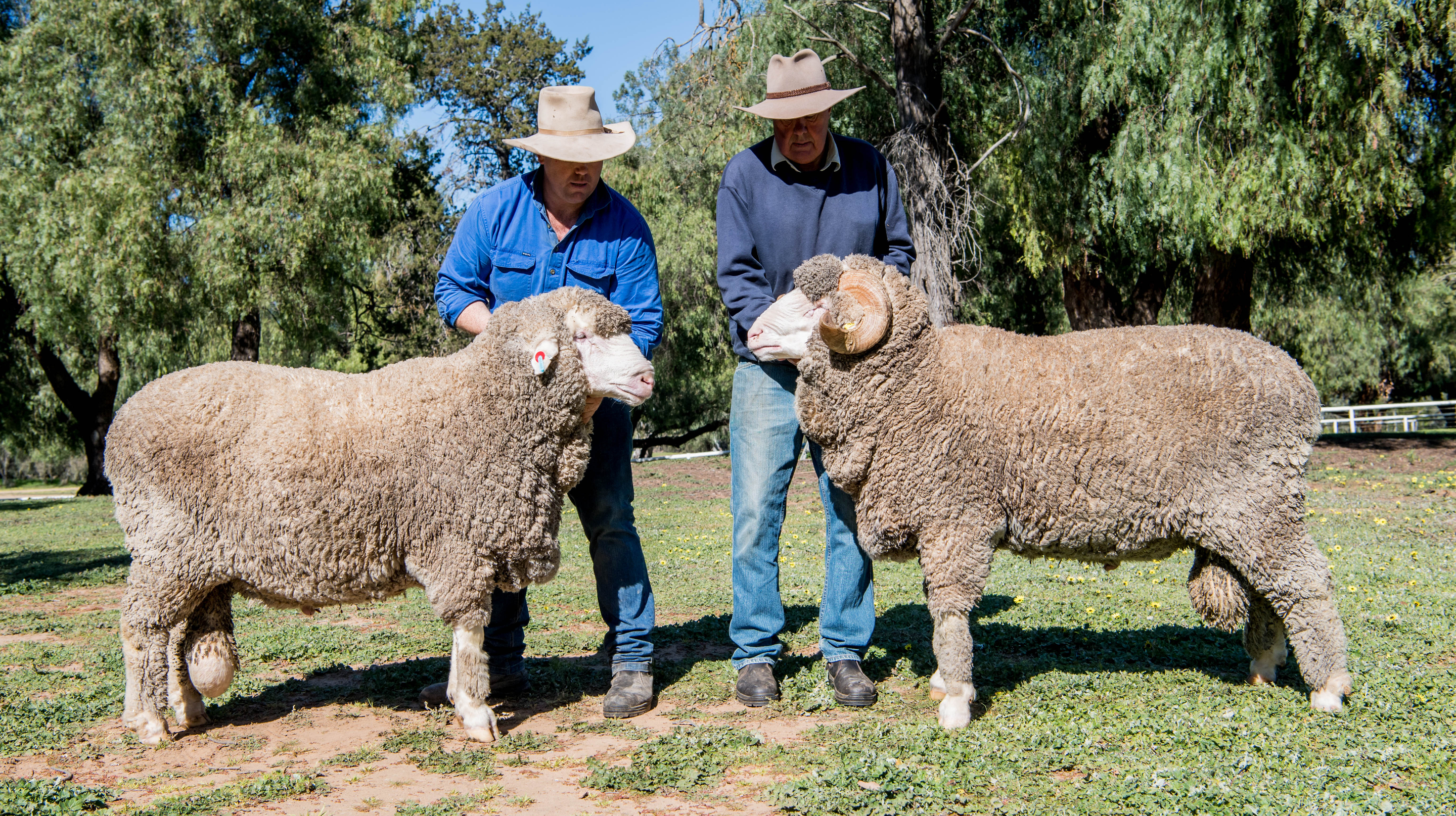
Examine feet and legs carefully. Bulls and rams cover considerable ground during joining, and structural faults lead to lameness, reduced serving capacity, and shortened working life. Look for correct leg angles, sound feet, and free movement.
Assess sheath conformation in bulls. Excessive sheath depth or poor attachment increases injury risk in rough country. For rams, check testicle size and symmetry, as scrotal circumference correlates strongly with fertility.
Temperament matters too. Aggressive or highly nervous animals create handling difficulties and may produce progeny with similar dispositions.
Reviewing Health, Fertility Testing, and Biosecurity Status
Never purchase stud livestock without appropriate health documentation. For bulls, a Bull Breeding Soundness Evaluation (BBSE) conducted by an accredited veterinarian assesses physical soundness, scrotal measurements, and semen quality. Do request certificates dated within three months of purchase.
Disease testing requirements vary by region and vendor. At minimum, buyers should expect documentation covering pestivirus, vibriosis, and trichomoniasis status. Vaccination records provide additional assurance.
These documents protect your investment and your existing herd. Introducing disease through a purchased animal can devastate productivity and create ongoing management costs.
Where to Find Quality Stud Livestock in Australia
Stud Sales, Auctions, and Annual Bull Sales
Most stud livestock change hands through auction. They can be multi-vendor sales organised by selling agents or on-property sales conducted by individual studs. Annual bull and ram sales normally occur in autumn ahead of joining seasons.
Auctions offer competitive price discovery and the opportunity to inspect multiple lots in one location. Pre-sale catalogues published weeks beforehand allow buyers to research genetics, review EBVs, and shortlist animals of interest.
Major breed society sales and regional multi-vendor events attract quality entries from established studs. Clearance rates and average prices at these events provide useful market benchmarks.
Private Treaty Sales and On-Farm Purchases
Private sales suit buyers seeking specific genetics or those who prefer direct negotiation. Many studs retain animals for private treaty after auction, and some sell exclusively through this channel.
On-farm purchases allow thorough inspection in the animal's home environment. You can observe herd mates, assess management systems, and discuss breeding philosophies directly with the principal. Building these relationships will likely lead to preferential access when outstanding individuals become available.
Using Farmbuy to Connect with Stud Breeders Nationwide
Farmbuy provides a comprehensive platform for browsing stud livestock listings across Australia. Commercial producers can filter by breed, location, and price range to identify suitable options without travelling thousands of kilometres.
The platform connects buyers directly with registered studs, facilitating initial enquiries and inspection arrangements. For producers in remote areas or those seeking genetics from interstate, this access dramatically expands purchasing options.
Navigating the Stud Livestock Buying Process
Pre-Sale Research and Shortlisting
Effective purchasing begins weeks before sale day. Study the catalogue thoroughly, noting lot numbers of great interest based on EBV profiles and pedigree. Cross-reference breeding values against breed averages and your own selection criteria.
Research bloodlines you're unfamiliar with. Many studs maintain websites with progeny photographs and performance summaries that reveal how genetics manifests in commercial conditions.
Set a firm budget ceiling before attending. Auction environments create pressure that leads many buyers to exceed intended limits. Establishing your walk-away price beforehand prevents costly overcommitment.
Bidding Strategies and Auction Day Considerations
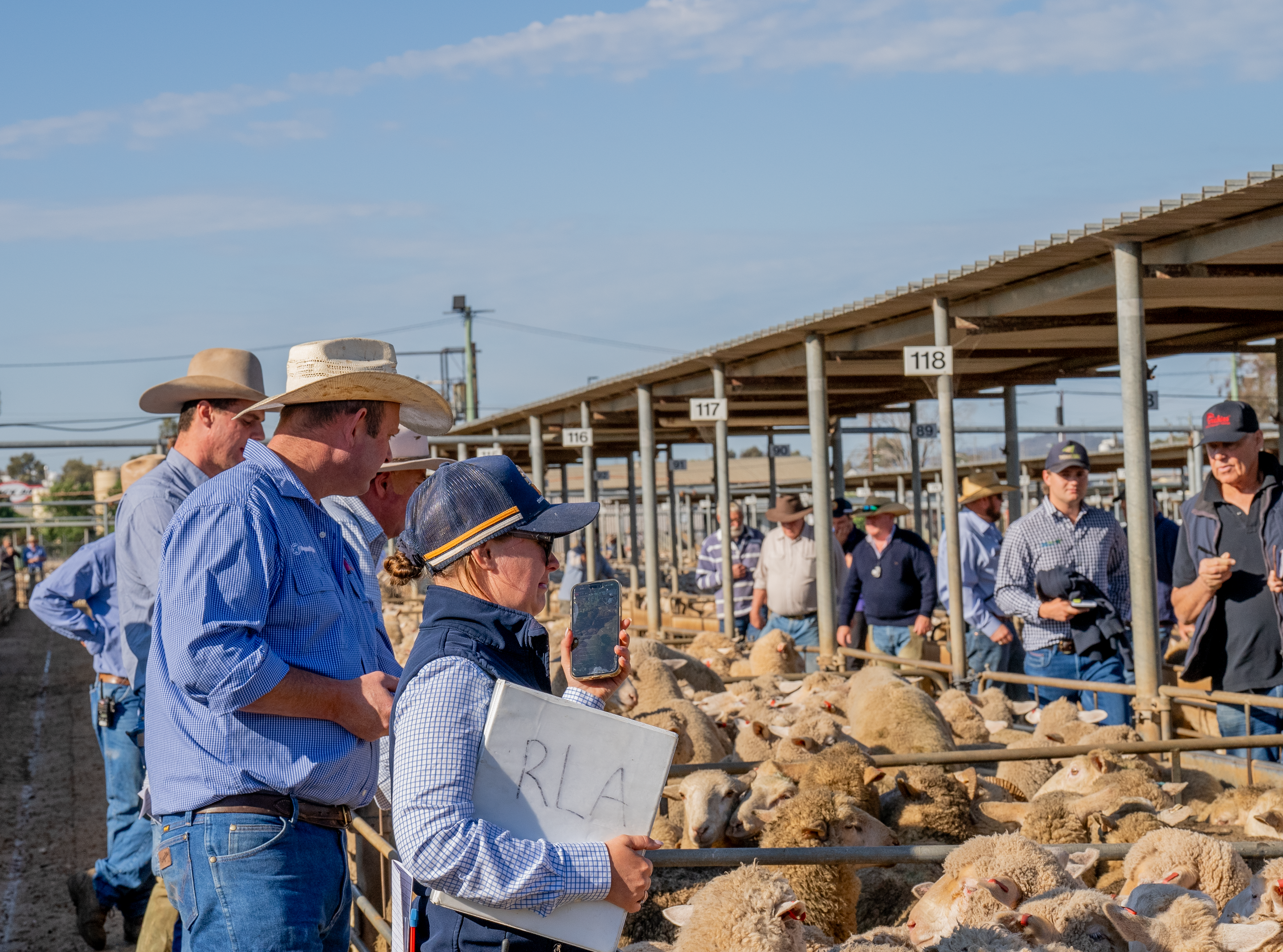
It is advisable to arrive early to inspect shortlisted lots in person. Catalogue data means little if the animal presents poorly. Register with the selling agent and familiarise with bidding increments.
During bidding, remain patient. Lots can attract early competition that fades as prices rise. Entering late sometimes secures animals below expected levels. Equally, recognise when competition exceeds your limit, in which case you ought to withdraw rather than chase.
Settlement, Transport, and Quarantine Procedures
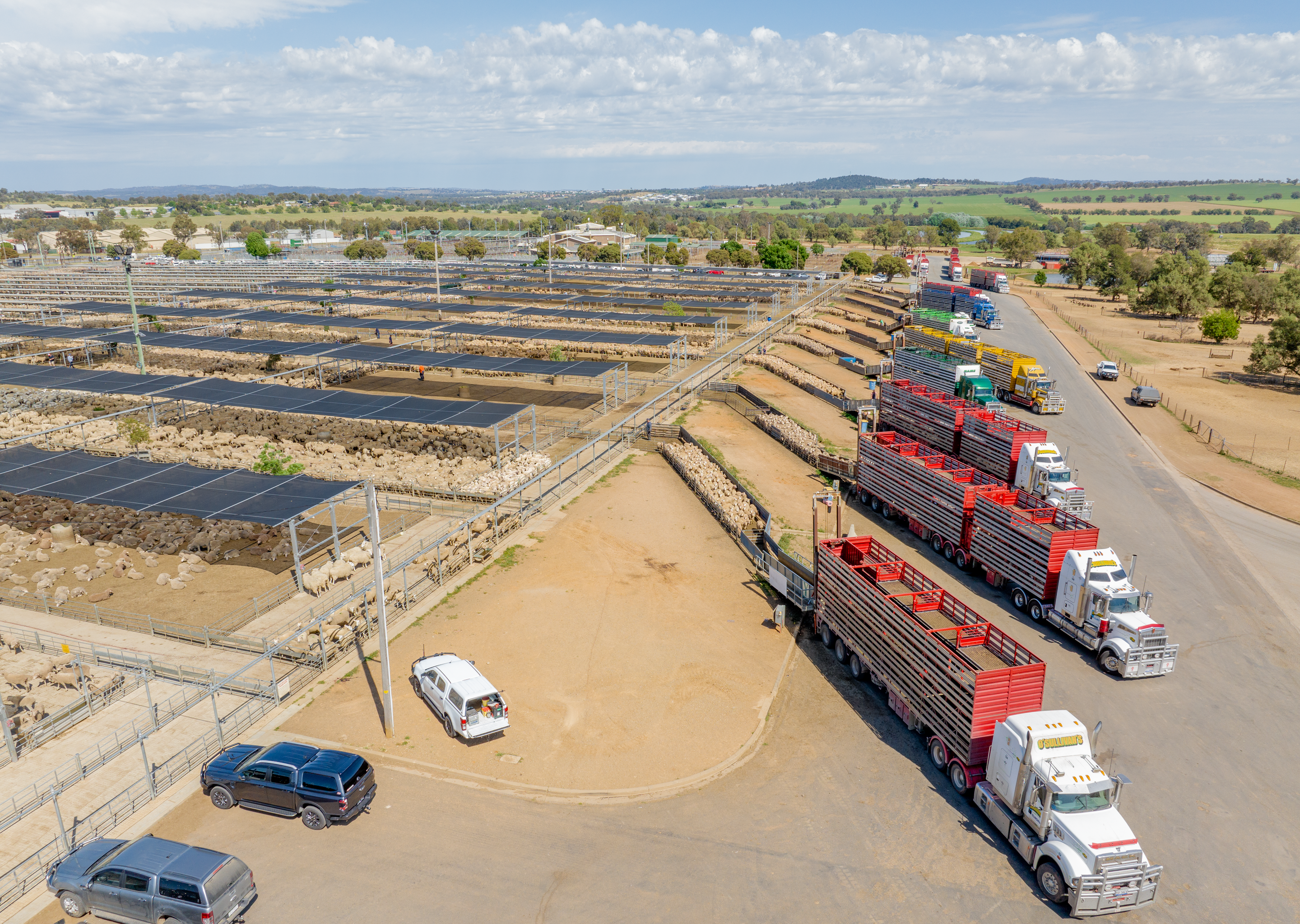
Most sales require settlement within seven days, with livestock held until payment clears. Arrange transport through reputable livestock carriers, which can be found through the recommendation of agents.
Newly purchased animals should be quarantined for at least two weeks before introducing them to the herd. This observation period allows health monitoring, additional testing, and reduced disease transmission risk.
Building Relationships with Reputable Stud Breeders
What to Look for in a Trusted Stud Operation
Reputable studs demonstrate transparency with records, willingly sharing performance data and discussing breeding decisions openly. Breed society membership and participation in genetic evaluation programs indicate commitment to industry standards.
After-sale support distinguishes quality operations. Breeders who follow up on purchased animals, offer management advice, and stand behind their genetics are ripe for lasting client relationships.
The Value of Repeat Purchasing and Long-Term Partnerships
Returning to studs that have delivered results creates consistency in your breeding program. You accumulate knowledge about how those bloodlines perform in your environment, reducing risk with subsequent purchases.
Long-term clients tend to receive preferential access to top lots and advance notice of outstanding individuals. These relationships benefit both parties and underpin much of the stud livestock industry.
Make Your Next Stud Purchase with Confidence
Successful stud livestock purchasing combines thorough research, clear breeding objectives, and trusted sourcing. Investigating beyond sale-day presentation with verified data ensures your investment delivers lasting genetic improvement.
Explore stud listings on Farmbuy to browse breeding stock from registered studs across Australia. Connecting directly with breeders helps you find genetics suited to your operation and builds relationships that support your herd's development.
Frequently Asked Questions
What is the average price for stud bulls in Australia?
Prices vary significantly by breed and genetic merit. Commercial bulls typically range from $6,000 to $20,000, with elite genetics commanding $30,000 or more. Regional multi-vendor sales provide useful benchmarks for current market values.
How do I verify a stud's breeding performance claims?
Request published EBVs from the relevant breed society database. These independently calculated values provide objective comparison across animals and studs.
Should I buy at auction or through private sale?
Both approaches have merit. Auctions offer competitive pricing and broader selection. Private sales allow negotiation and thorough inspection. Your circumstances and unique requirements should guide the decision.
What health tests should stud livestock have before purchase?
Bulls should have a current BBSE certificate plus disease testing appropriate to your region. Rams require a similar fertility assessment. Always request documentation before purchasing.
How many cows can one bull service per season?
Mature bulls in good condition can service 30 to 50 cows on average during a controlled joining period. Younger bulls and those covering rough country may require lighter loads.
What age should I purchase stud bulls or rams?
Most commercial producers purchase bulls at two years of age, when fertility can be reliably assessed. Purchasing younger animals may reduce initial cost but increases risk and delays joining.
