















How to Purchase Registered Livestock Studs: Auction and Private Treaty Buying Methods Explained
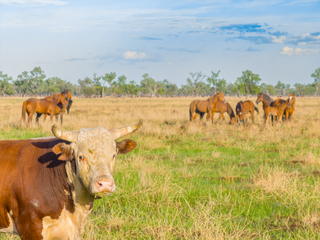

Purchasing registered livestock studs forms one of the most significant investments in any breeding program. The genetics you introduce today shape your herd's performance for generations. Understanding the buying process is essential for anyone, both for established stud operations or sourcing your first registered sire.
Two primary purchasing methods dominate the Australian stud market: auction sales and private treaty transactions. Each offers distinct advantages depending on circumstances, timeline, and breeding objectives. This guide walks through both approaches, covering the due diligence required and the practical steps for completing your purchase successfully.
Platforms like Farmbuy connect buyers with registered stud listings across Australia, making it easier to research options before committing to either buying method.
What Makes Registered Livestock Studs Different from Commercial Stock
Understanding Stud Registration and Breed Society Requirements
Registered studs differ fundamentally from commercial livestock. Each registered animal appears in a breed society's herd book, with documented parentage verified through DNA testing. This registration confirms that the animal meets breed standards and provides traceable genetic lineage.
Breed societies adhere to strict protocols for registration. Animals must descend from registered parents, meet physical breed characteristics, and pass identification verification. This rigorous process ensures genetic integrity across generations.
When purchasing registered stock, you're acquiring verified genetics with documented heritage that can be traced back through multiple generations.
The Value of Pedigree Documentation and Genetic Records
Pedigree papers accompany every registered animal and contain critical information for breeding decisions. They detail the animal's lineage, with a span of three to five generations of ancestors being the standard.
Beyond parentage, many breed societies now provide Estimated Breeding Values (EBVs). These figures predict how an animal's genetics will influence defined traits in offspring: growth rates, carcase quality, fertility, and temperament among them. EBVs allow objective comparison between animals, removing guesswork from genetic selection.
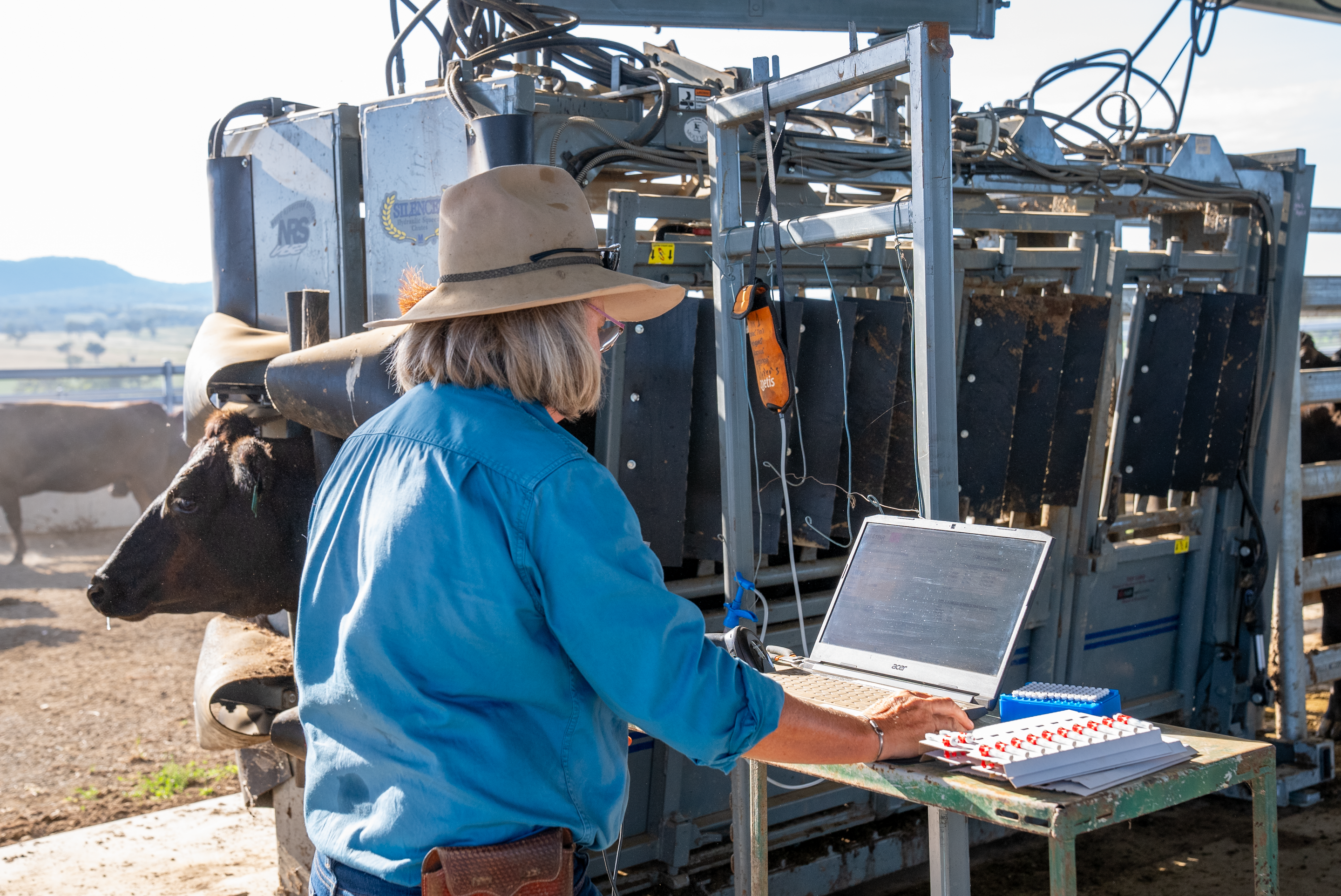
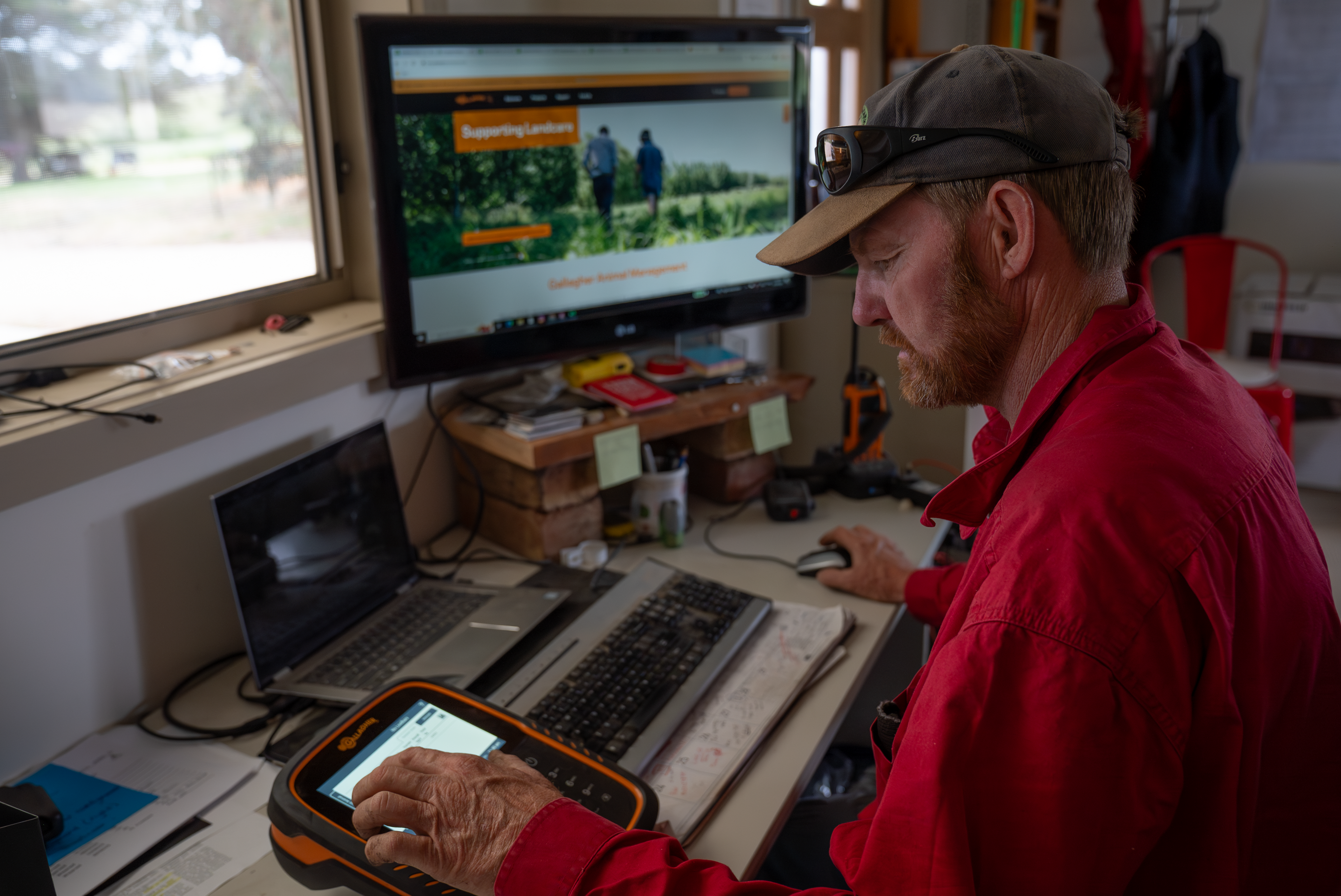
Progeny records add another layer of valuable data. Animals with proven offspring demonstrate their genetic worth through recorded performance in addition to predictions.
Why Registration Affects Purchase Price and Resale Value
Registered studs command premium prices compared to commercial stock. A quality registered bull might sell for $8,000 to $50,000 or more, whilst commercial bulls of similar age and condition fetch considerably less.
This price difference reflects the breeding value registered animals offer. Their documented genetics allow buyers to make informed decisions about herd improvement. Registration also enables you to register resulting progeny, maintaining value through subsequent generations.
For those building or expanding stud operations, purchasing registered foundation stock is a must. This is because the registration status directly affects your ability to sell progeny as registered seedstock.
Buying Registered Studs at Auction: Process and Considerations
How Livestock Auctions Operate for Stud Sales
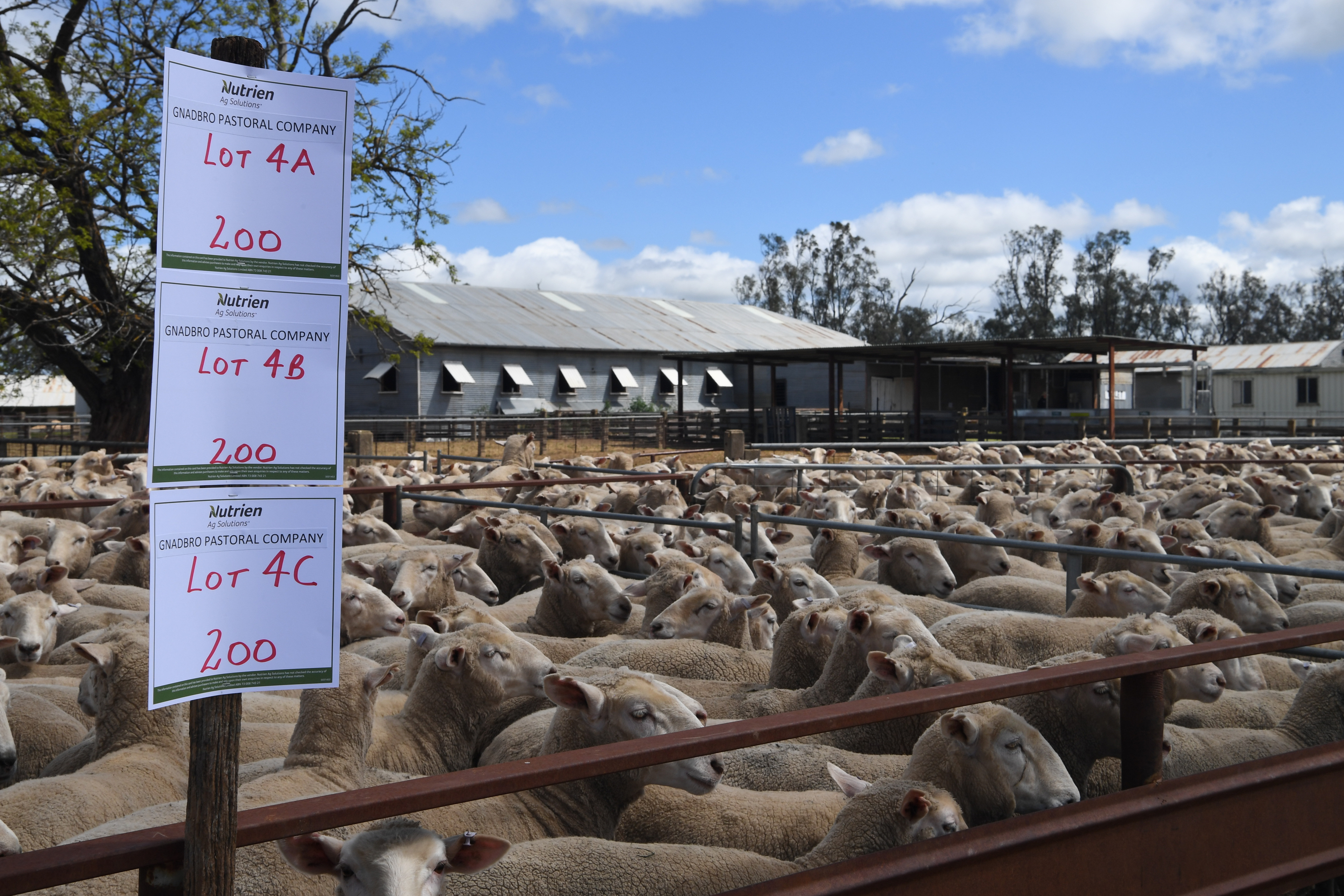
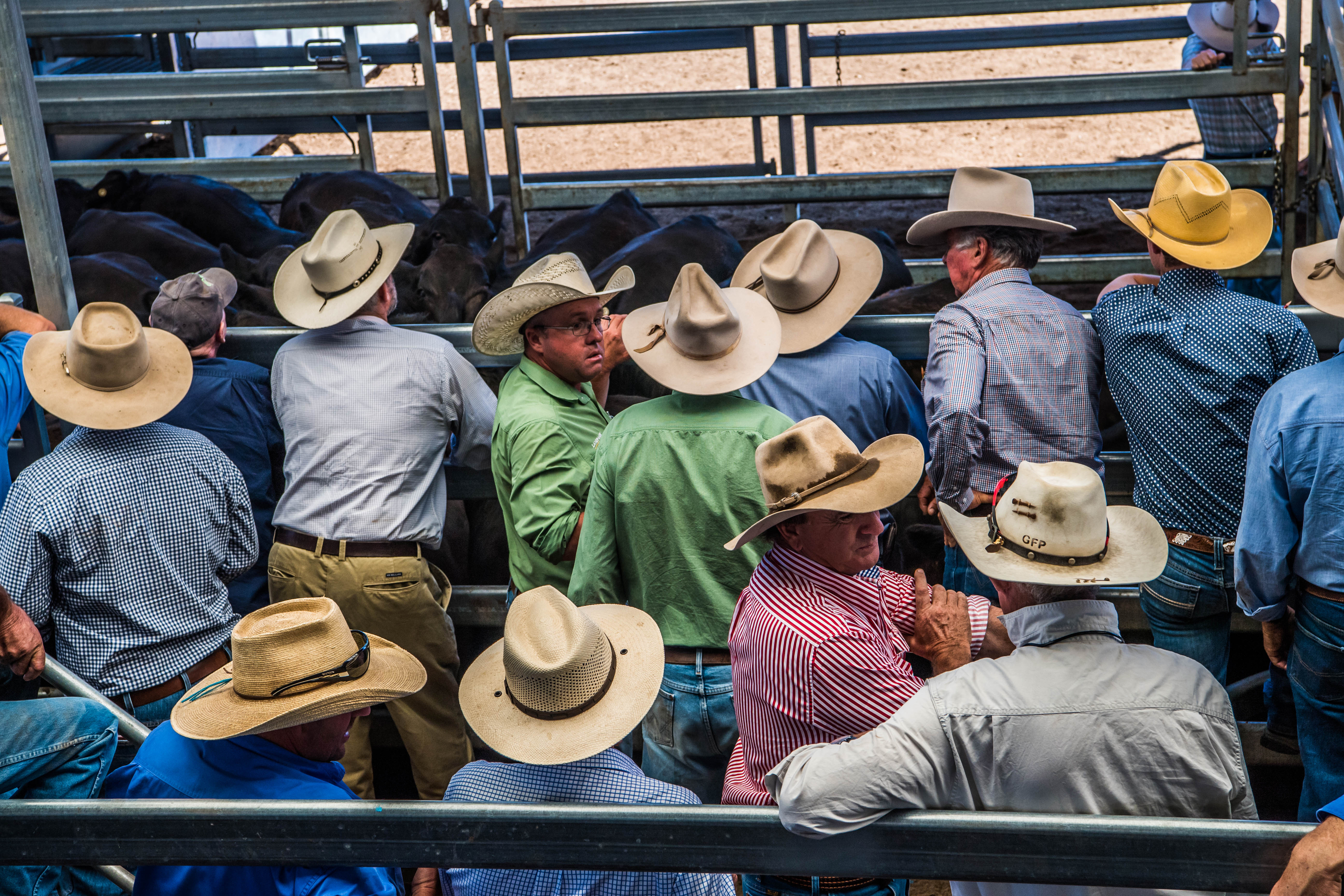
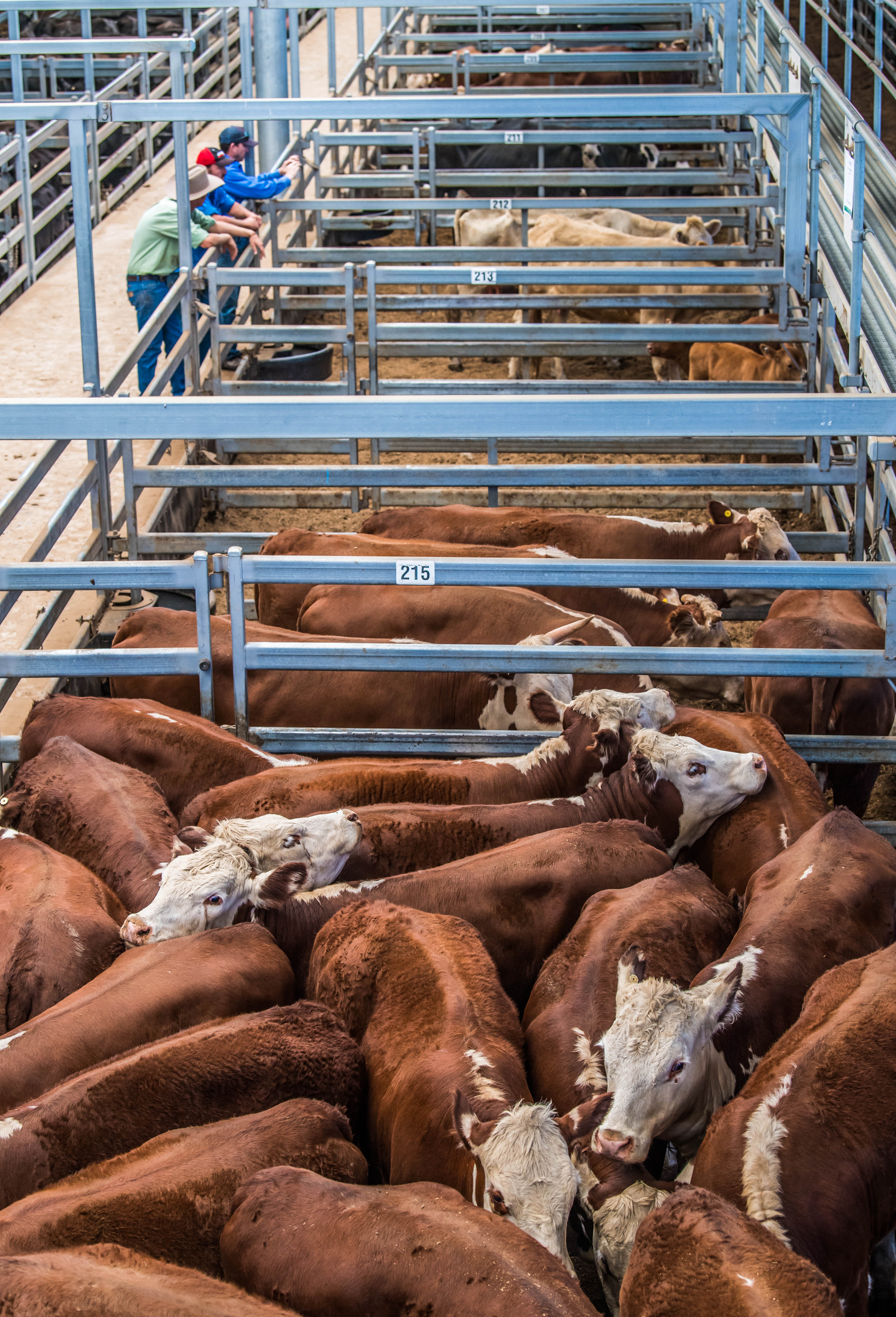
Stud auctions follow established protocols designed to facilitate competitive, transparent sales. The majority of registered stud sales occur as on-property events, where vendors present animals in their breeding environment. Major breed society sales and multi-vendor events also take place at dedicated sale complexes.
The process begins weeks before sale day. Vendors submit animals for cataloguing, with each lot featuring detailed descriptions. Provided information should cover pedigree, EBVs, veterinary clearances, and often photographs. Buyers receive catalogues in advance to allow pre-sale research and shortlisting.
On sale day, lots parade before bidding opens. The auctioneer manages competitive bidding until reaching the knockdown price. If said final price is below the vendor’s set reserve price, they won't sell. Successful bidders typically settle payment within days, with stock collection arranged shortly afterwards.
Advantages and Risks of Auction Purchasing
Auctions offer several compelling benefits. The competitive environment often produces fair market pricing. Multiple animals can be compared side-by-side, assessing them against each other in real time. The process is transparent, as everyone sees what others are willing to pay.
However, auction buying carries inherent pressures. Limited time exists for detailed inspection before bidding, and the competitive atmosphere can push buyers beyond intended budgets. First-time auction participants sometimes find the pace overwhelming.
Successful auction buying requires preparation. Make sure to study the catalogue thoroughly beforehand, then inspect shortlisted animals during the pre-sale viewing. Set firm budget limits and resist emotionally-driven bidding. If possible, attend a sale as an observer before participating as a buyer.
Private Treaty Sales: A Flexible Alternative for Stud Purchases
How Private Treaty Transactions Work
Private treaty sales involve direct negotiation between buyer and vendor. You identify an animal of interest, contact the vendor, negotiate terms, and complete the transaction on mutually agreed conditions.
These sales occur through various channels. Some vendors advertise specific animals for private sale, while others welcome enquiries about stock not publicly listed. Agricultural marketplaces like Farmbuy facilitate these connections, allowing buyers to browse available studs and contact vendors directly.
Timelines vary widely with private treaty purchases. Some transactions conclude within days. Some can even extend over weeks as buyers arrange inspections, request additional information, or negotiate terms.
Benefits of Buying Studs Through Private Treaty
Private treaty purchasing removes the time pressure inherent in auctions. You can inspect animals thoroughly, return for second viewings, and take time deliberating before committing.
Negotiation flexibility stands as another significant advantage. Price discussions can include terms beyond the sale figure. They may encompass delivery arrangements, payment schedules, or guarantees on fertility testing. Vendors often prove more accommodating in private negotiations than the rigid auction format allows.
Direct vendor contact also provides valuable information. Conversations reveal details about temperament, handling history, and performance observations that catalogues cannot capture. Building relationships with reputable vendors often leads to future exclusive purchasing opportunities.
When Private Treaty Suits Your Purchasing Needs
Private treaty works particularly well when seeking specific genetic traits or bloodlines not readily available at auction. Private sourcing allows targeted searching for animals meeting precise criteria, whether they are particular EBV profiles, specific colour patterns, or verified temperament characteristics.
Buyers new to stud purchasing tend to find private treaty less intimidating than auction environments. The reduced pressure allows more considered decision-making, with opportunity to seek advice before committing.
Essential Due Diligence Before Purchasing Registered Studs
Verifying Registration and Ownership Documentation
Before finalising any purchase, remind yourself to confirm registration authenticity directly with the relevant breed society. Request the animal's registration number and verify it against society records. This simple step prevents purchasing animals with disputed registration or fraudulent documentation.
Confirm clear ownership and the vendor's authority to sell. Request vendor declarations covering the animal's health status, breeding history, and any known issues. Ensure no encumbrances or third-party claims exist against the animal.
Physical Inspection and Structural Assessment
Never purchase a registered stud without thorough physical inspection. Assess structural soundness: feet, legs, and locomotion directly affect working longevity. Evaluation of reproductive organs for normal development is crucial as well.
Temperament during handling is another key factor of observation. Animals displaying excessive aggression or flightiness create ongoing management challenges. Ask about the animal's handling history and any behavioural concerns.
For significant purchases, it could be worth engaging a veterinarian or experienced livestock assessor for independent evaluation. The cost proves worthwhile against the risk of purchasing animals with undetected issues.
Reviewing Breeding History and Performance Data
Examine available performance data critically. For proven sires, review progeny performance records. For younger animals on the other hand, assess parent and sibling performance as indicators of genetic potential.
When browsing listings on Farmbuy or reviewing sale catalogues, note which vendors provide comprehensive performance data. Detailed information suggests vendors confident in their animals' genetic merit.
Post-Purchase Requirements and Registration Transfer
Completing the Registration Transfer Process
Registration transfer formalises your ownership with the breed society. Both buyer and vendor must complete transfer documentation, normatively within specified timeframes. Breed societies charge transfer fees, and buyers in most instances need current membership to receive registrations in their name.
Delays in transfer processing can affect your ability to register progeny, therefore, prioritise completing paperwork promptly after purchase.
Integrating New Studs into Your Breeding Program
Quarantining newly purchased animals is a must-do measure before introducing them to existing stock. This precaution prevents disease transmission and allows health testing if required.
Allow acclimatisation time before expecting working performance. Animals require adjustment periods after transport and environmental change, and rushing new sires into joining programs risks suboptimal results.
Do maintain thorough records for all registered breeding stock. Accurate documentation supports future registration of progeny and demonstrates your operation's professionalism.
Making Informed Decisions When Purchasing Registered Studs
Successful stud purchases are the fruits of thorough preparation, regardless of whether you buy at auction or through private treaty. Understanding registration value, comparing purchasing methods, conducting proper inspections, and completing transfer requirements altogether contribute to positive outcomes.
Take time assessing your options. The genetics you purchase today influence your breeding program for many upcoming years. Rushing decisions to meet arbitrary timelines rarely serves long-term objectives.
Browse registered stud listings on Farmbuy to explore current availability and connect with vendors across Australia. Quality genetics are worth finding and worth the diligence required to purchase them confidently.
Frequently Asked Questions
What documents should I receive when purchasing a registered stud?
Expect registration papers, a vendor declaration covering health and breeding history, and any relevant veterinary certificates. For animals with performance recording, request EBV documentation.
How do I verify that a stud's registration is legitimate?
Contact the relevant breed society directly with the registration number. Society staff can confirm registration status and current recorded ownership.
Is buying at auction or private treaty better for first-time stud purchasers?
Private treaty often suits newcomers better, accommodating extended inspection time and reduced pressure. However, well-prepared buyers can succeed at auction with proper research and firm budget discipline.
What are estimated breeding values (EBVs) and why do they matter?
EBVs are genetic predictions indicating how an animal's genes will influence particular traits in offspring. Higher accuracy EBVs provide more reliable predictions for breeding decisions.
How long does the registration transfer process take?
Transfer timeframes vary between breed societies, usually ranging from two to six weeks depending on documentation completeness and society processing times.
Where can I find registered livestock studs for sale in Australia?
Agricultural marketplaces like Farmbuy list registered studs from vendors across Australia. Breed society websites and on-property sale catalogues provide additional options.
