















Guide to Selecting High-Quality Stud Stock for Breeding Success
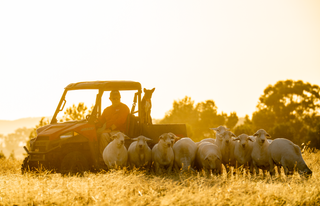

The decision to invest in premium stud stock is one of the most consequential choices a livestock producer will make, with ramifications that echo through generations of animals and directly influence the financial trajectory of the entire operation.
Research demonstrates that producers who prioritise superior genetics can expect to see profit margins increase by 15 to 30 per cent over a five-year period, a return that compounds as genetic improvements accumulate within the herd or flock. This substantial uplift in profitability stems from enhanced performance across multiple parameters: improved feed conversion efficiency, superior carcass quality, heightened disease resistance, and better reproductive outcomes. Yet despite the clear financial incentive, many producers still approach stud stock selection with insufficient rigour, relying on visual assessment alone or failing to interrogate genetic data.
This comprehensive guide provides a structured framework for evaluating potential breeding animals, ensuring that every acquisition represents a strategic advancement towards your production goals and market positioning within the competitive livestock industry.
What Defines Superior Breeding Animals
Superior breeding stock is distinguished not merely by aesthetic appeal or physical presence, but by a confluence of genetic potential, structural integrity, and proven performance. These elements collectively predict an animal's capacity to improve the quality of future generations.
In contemporary breeding programs, the criteria for elite stud stock have evolved. The industry now supplements traditional phenotypic assessment with advanced genetic evaluation tools, which quantify an animal's true breeding value. Truly superior animals must excel across three critical dimensions:
- Genetic Architecture: The capacity to consistently pass desirable traits to offspring.
- Physical Soundness: The structural constitution required for longevity and sustained reproductive health.
- Temperamental Characteristics: A manageable disposition that ensures safety and reduces production costs.
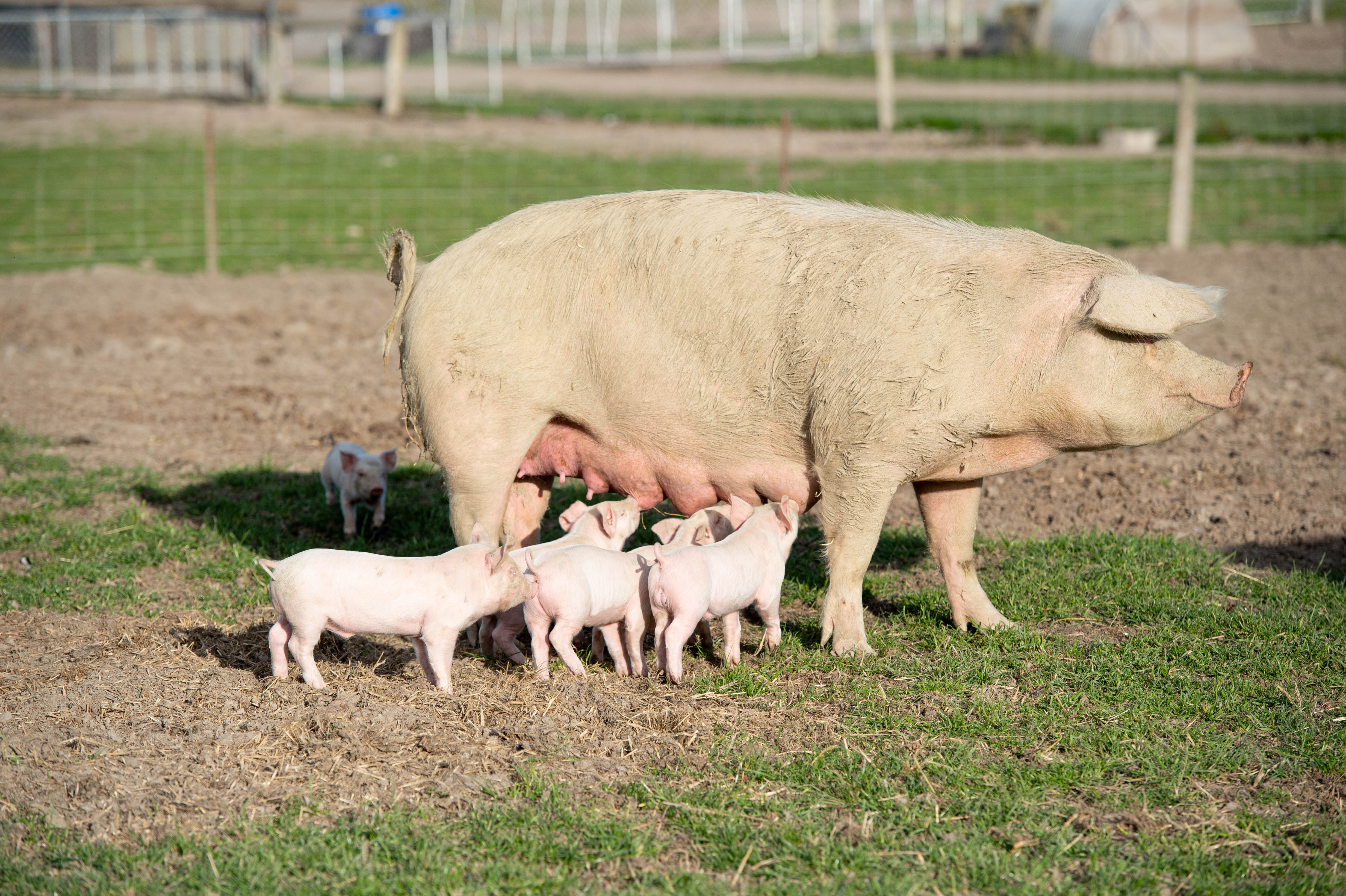
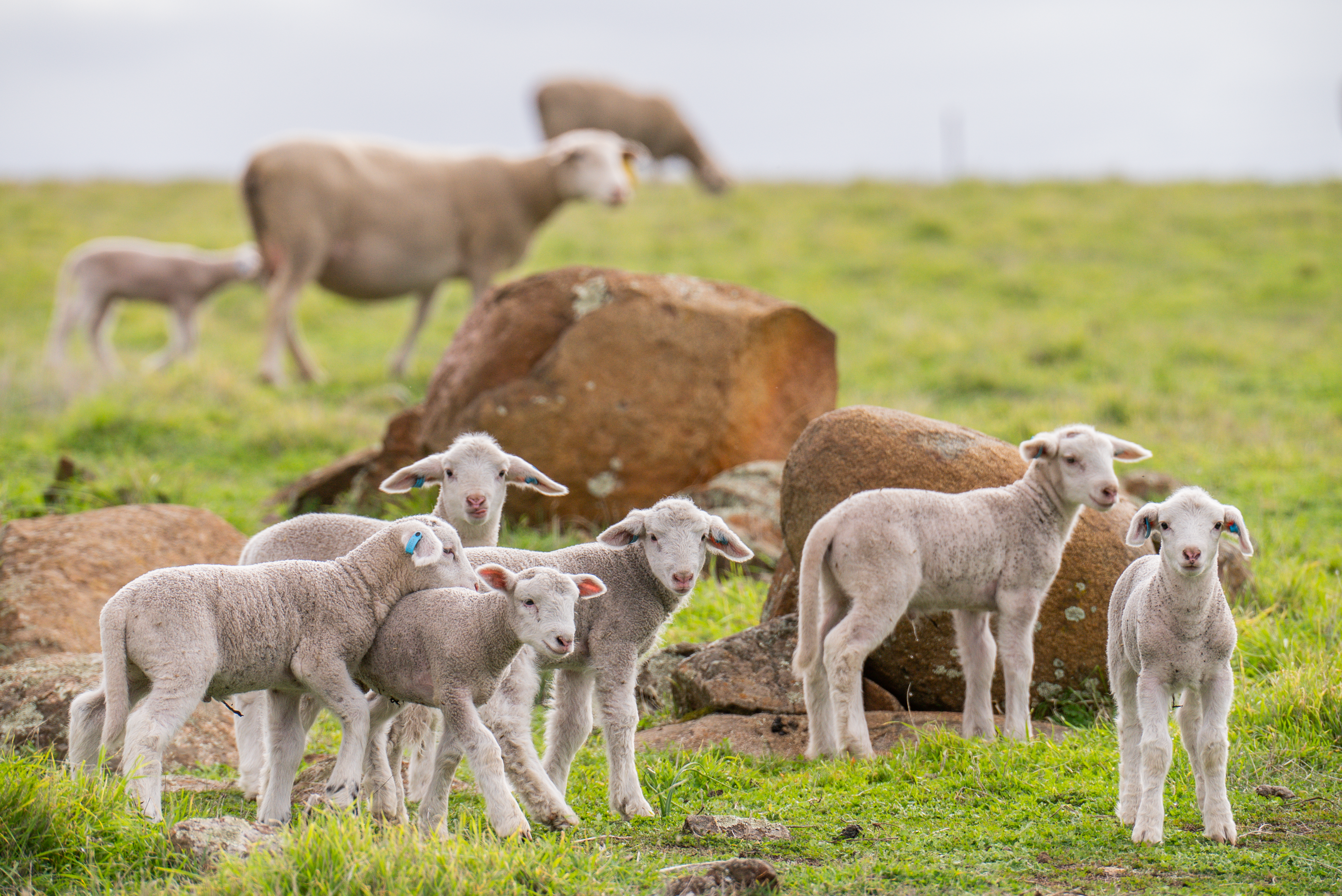
The most valuable breeding animals are those whose genetic merit, measured by scientifically validated breeding values, aligns precisely with a producer's strategic objectives, whether focused on growth rate, carcass quality, maternal ability, or environmental adaptability.
When browsing for stud stock on platforms like Farmbuy, make sure to review detailed genetic profiles and performance histories in order to make informed decisions. Ultimately, understanding superior breeding stock requires a holistic perspective: excellence in a single trait is insignificant if it compromises structural soundness, reproductive efficiency, or behavioural tractability.
Unpacking Genetic Merit and Heritability
Genetic merit and heritability constitute the scientific foundation of all successful breeding programmes. These principles provide a quantifiable pathway to permanent, cumulative improvement.
Understanding Heritability
Heritability measures the proportion of variation in a specific trait attributable to genetic differences, as opposed to environmental factors. This concept is critical, as it dictates the effectiveness of selection pressure in driving genetic progress.
- High-Heritability Traits: Characteristics like carcass weight and fat depth respond rapidly to selective breeding.
- Moderate-Heritability Traits: Attributes such as fertility and temperament require more strategic, long-term selection approaches.
Quantifying Genetic Potential: Breeding Values
Estimated Breeding Values (EBVs) and their Australian equivalent, ASBVs, are the primary tools for predicting genetic potential. These values express the expected performance of an animal's progeny relative to the breed average, enabling objective comparison between candidates. Derived from complex statistical models that analyse an individual's performance, pedigree data, and population genetics, EBVs provide accurate prediction of genetic worth.
The Genomic Revolution
The advent of Genomic Breeding Values (GBVs) has transformed selection accuracy. By incorporating DNA marker information, GBVs reveal genetic potential in young animals years before progeny test data becomes available. This paradigm shift allows producers to identify elite genetics earlier, drastically accelerate genetic gain, and make selection decisions with unprecedented confidence.
The Importance of Structural Soundness and Conformation
An animal's physical structure directly governs its capacity to remain productive throughout an extended breeding career, making structural soundness and correct conformation non-negotiable prerequisites for any serious breeding investment.
Feet and leg structure warrant scrutiny, as deficiencies compromise mobility, reduce grazing efficiency, and severely limit mating ability in males. Research indicates that bulls with poor leg structure achieve 40 per cent fewer successful services.
The soundness of udders in females and reproductive organs in both sexes establishes the foundation for fertility and maternal performance. Poorly structured udders predisposes females to mastitis, reducing weaning weights, and ultimately curtailing productive lifespan.
Overall balance and body capacity relate directly to an animal's resilience under commercial production conditions, environmental challenges, or physiological demands (lactation or rapid growth). Conformation assessment requires systematic evaluation of key junction points: shoulder attachment, topline strength, rump structure, and pastern angle. Weaknesses in these areas predict mechanical breakdown and premature culling. Farmbuy's marketplace provides detailed photographs and structural assessments for listed stud stock, enabling remote evaluation before committing to on-site inspections.
A Practical Checklist for Health Assessment
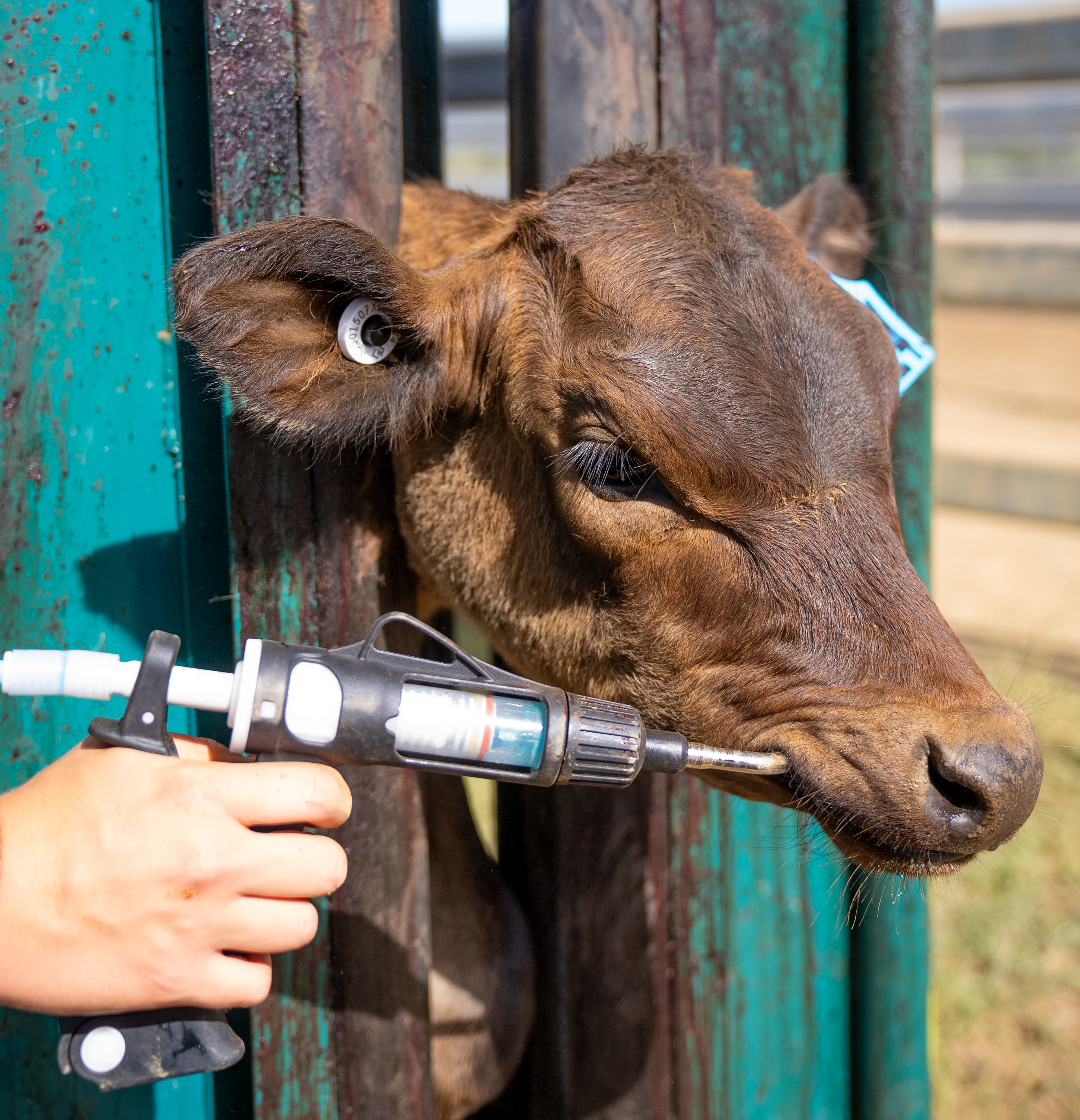
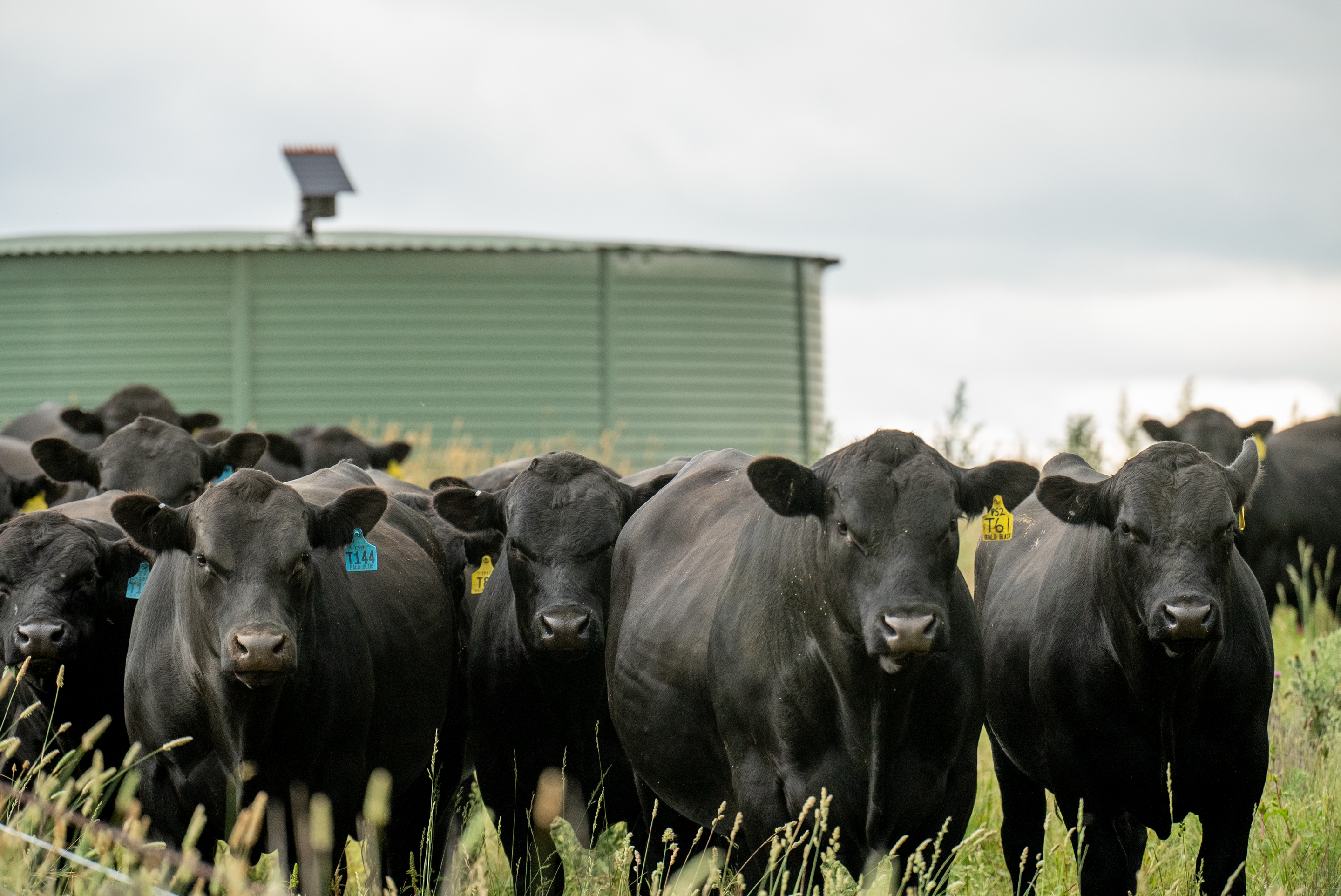
Conducting a thorough health assessment before finalising any purchase is an essential due diligence that safeguards against costly errors and protects biosecurity.
Request comprehensive documentation of vaccination protocols, parasite control measures, and any therapeutic interventions the animal has received. Scrutinise these records for consistency and alignment with contemporary best practices. Veterinary examination reports, particularly those addressing reproductive soundness, provide professional validation and offer recourse should undisclosed conditions emerge. Health checks must go beyond the individual animal to encompass biosecurity considerations, including disease status certification for regional conditions and verification that the source property maintains biosecurity protocols.
Reproductive health deserves particular attention, as fertility failures are the most immediate and costly outcome of inadequate pre-purchase screening. Male breeding animals should undergo breeding soundness examinations that assess scrotal development, sperm quality, and serving capacity. Females require evaluation of vulval conformation, pelvic dimensions, and reproductive tract health.
Disease resistance, while partially heritable and reflected in breeding values, also depends on immune competence developed through appropriate vaccination and exposure management, making health history documentation invaluable.
The investment of time and professional fees in thorough pre-purchase assessment delivers substantial returns. This prevents the acquisition of animals that would compromise your breeding programme's genetic progress or introduce pathogens that threaten health and productivity.
Key Health and Fertility Indicators to Verify
Fertility represents the most economically significant trait in any breeding programme, as an animal that fails to reproduce consistently contributes nothing to genetic improvement.
General health indicators provide the first layer of assessment:
- Bright, alert eyes suggest freedom from systemic disease,
- A healthy coat indicates adequate nutrition and low parasite burden,
- Appropriate body condition scores (3.0 to 3.5 on a five-point scale for most species) demonstrate the animal's capacity to partition nutrients effectively
Male fertility assessment centres on scrotal circumference measurement, which shows strong positive correlation with sperm production capacity, daily sperm output, and age at puberty in offspring. Physical examination of the testes should confirm equal size, firm texture, and free mobility within the scrotum. Any asymmetry, firmness variations, or adhesions warrant immediate veterinary consultation and probable rejection.
Female fertility evaluation focuses on vulval conformation, as excessive inclination increases susceptibility to reproductive tract infections. The underlying assessment in multi-parous females reveals mammary system functionality and potential structural weaknesses.
These specific, measurable fertility indicators deserve primacy in your assessment protocol because they directly determine whether an animal's genetic potential can be realised through actual offspring production.
Assessing Temperament for Safety and Management
Temperament constitutes a heritable trait with profound implications for farm safety, labour efficiency, and ultimately animal performance. Yet, it remains undervalued in many breeding decisions despite compelling evidence of its economic importance.
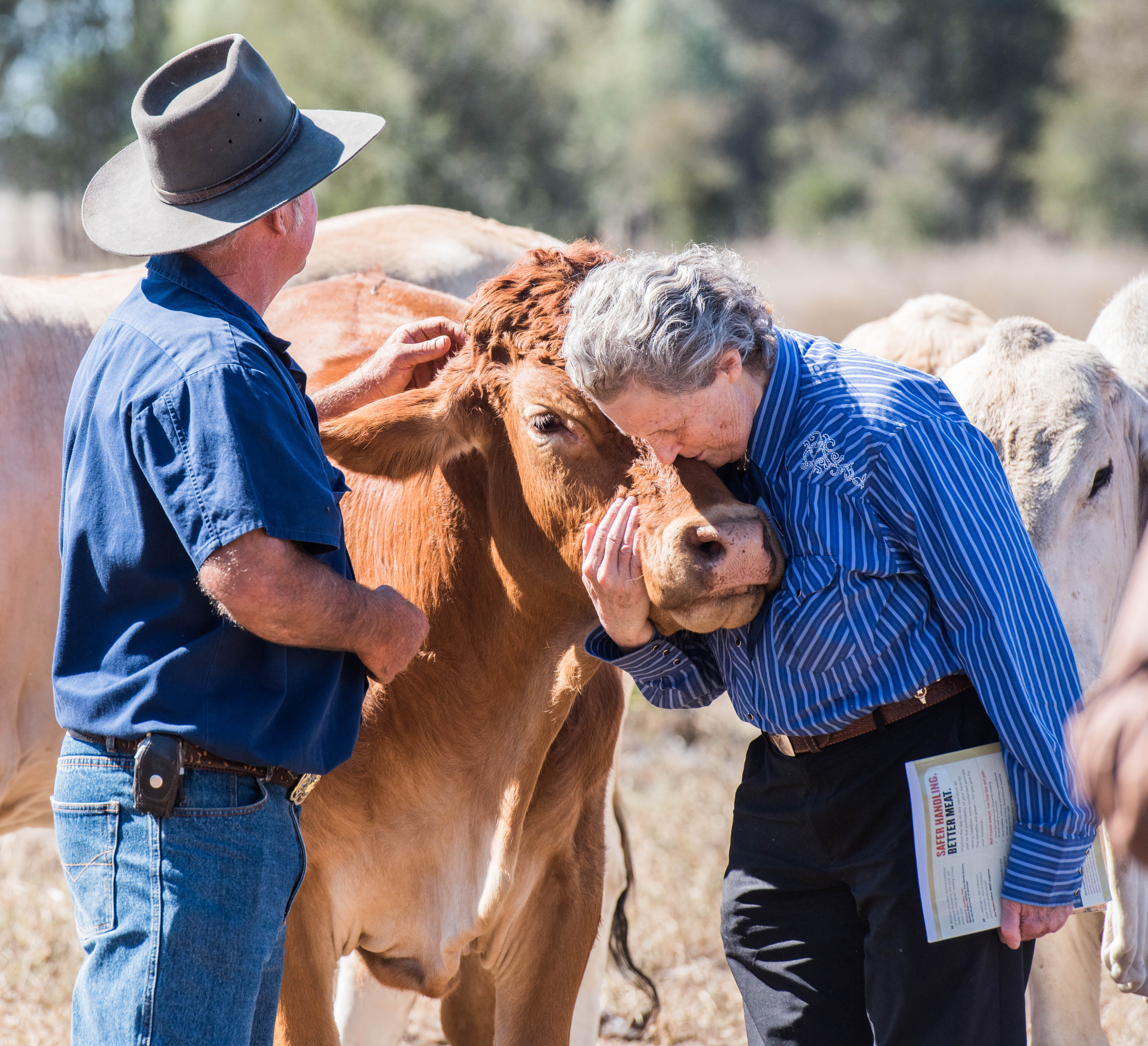
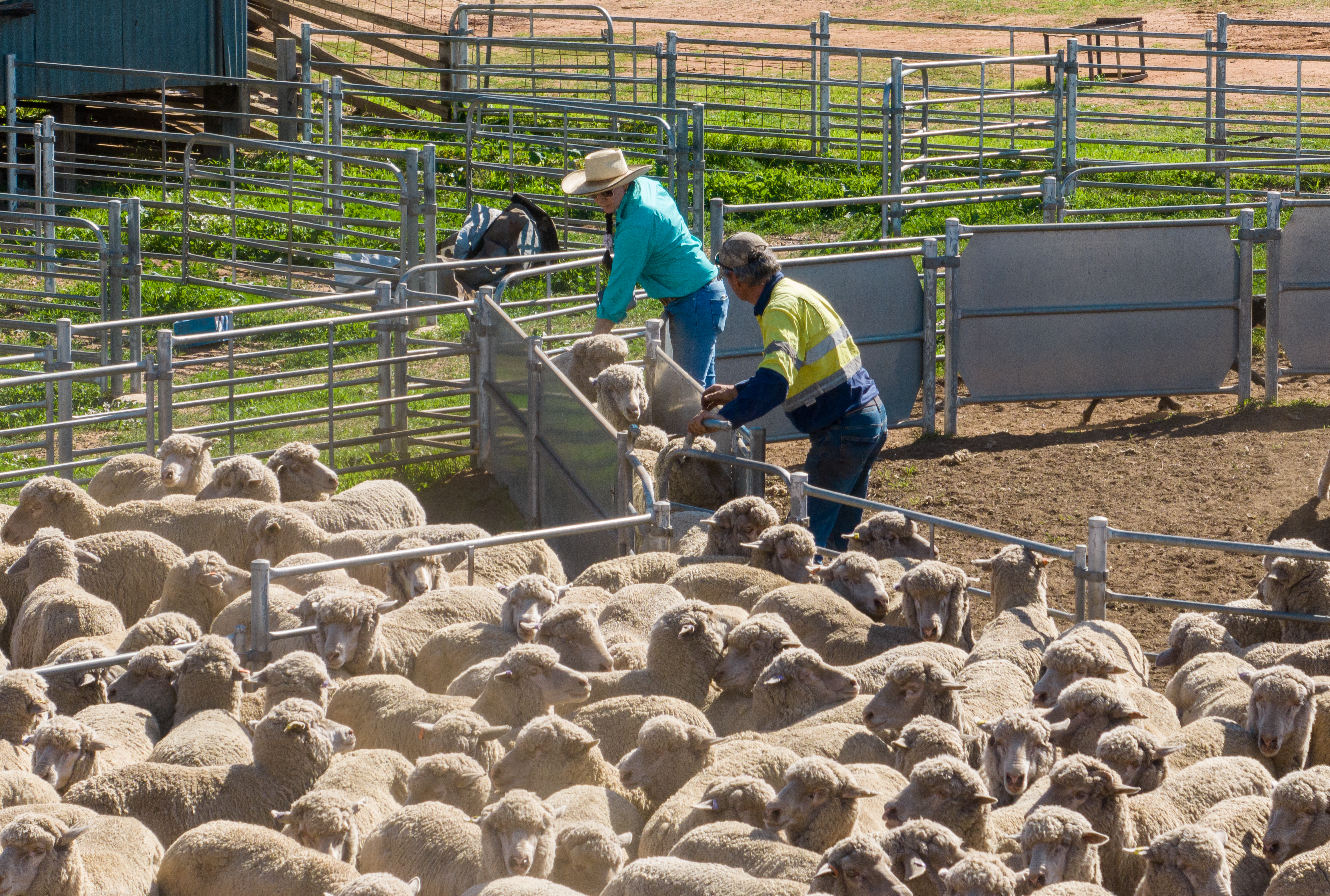
Observation of an animal's behaviour in the yards, during handling procedures, and in the presence of other stock provides reliable indicators of temperamental suitability. Breeding animals that move calmly, respond predictively to handler cues, and maintain composure during routine management display the tractable temperament that reduces injury risk and streamlines operations. The biological connection between temperament and production performance centres on stress physiology, as animals with nervous or aggressive dispositions experience chronic cortisol elevation that impairs immune function, reduces feed conversion efficiency, and produces darker-cutting meat. Research across multiple species demonstrates that offspring inherit approximately 40 per cent of their temperamental characteristics from their parents.
When evaluating potential breeding animals, systematically document behavioural responses across multiple contexts and timepoints, as temperament assessment based on single observations may reflect transient stress rather than inherent disposition.
Decoding Performance Data and Sales Results
The analysis of performance data and stud stock sales results transforms breeding animal selection from subjective guesswork into a data-driven investment strategy. Performance data encompasses:
- Weaning weight
- Yearling weight
- Scan data for muscle and fat
- Comparative information about its siblings and progeny
They collectively provide a multi-generational perspective on genetic consistency and breeding reliability. Sales results from reputable studs reveal market validation of particular bloodlines and breeding approaches. However, producers must distinguish between price inflation driven by marketing versus genetic superiority substantiated by data.
Breeding values (EBVs, EPDs, or ASBVs) synthesise complex pedigree and performance information into standardised metrics that enable direct comparisons across animals from different environments and management systems. Genetic evaluation data also reveals accuracy values that indicate the reliability of breeding value estimates, with higher accuracy scores reflecting more comprehensive information from genomic testing or extensive progeny data. Progeny testing results, where available, provide the ultimate validation of an animal's genetic merit. The performance of offspring under diverse commercial conditions demonstrates whether promising individual measurements translate into consistent genetic transmission.
The strategic imperative is clear: breeding decisions based on comprehensive data analysis deliver superior outcomes to those relying on visuals or reputation alone.
How to Interpret Pedigree and Performance Records
Pedigree analysis requires systematic evaluation of an animal's ancestry to identify proven genetics that consistently transmit desirable characteristics, moving beyond superficial recognition of fashionable bloodlines to assess substantive genetic contribution.
Reading a pedigree effectively means identifying sires and dams in the lineage whose breeding values rank within the top quartile of the breed for traits, whilst noting any repeated appearance of elite individuals that indicates linebreeding strategies designed to concentrate valuable genes.
Performance records demand scrutiny for consistency across generations. Breeding animals from families demonstrating reliable performance in key traits (weaning weight, fertility, docility) are more likely to replicate that consistency than animals with erratic histories. The interpretation of EBVs or EPDs enables objective comparison between potential sires or dams, with particular attention to selection indexes that weigh multiple traits according to their economic value within production systems: Carcase Plus Index, Terminal Sire Index, or Breed Plan Domestic Market Indexes. Each reflects different market endpoints and profitability drivers. Extremely high values for single traits often correlate with deficiencies in other characteristics, necessitating balanced selection.
This analytical approach to pedigree and performance interpretation empowers producers to look beyond marketing narratives and aesthetic appeal, grounding decisions in quantifiable evidence that predicts long-term genetic improvement and commercial success.
Linking Genetics to Profitability and Market Demands
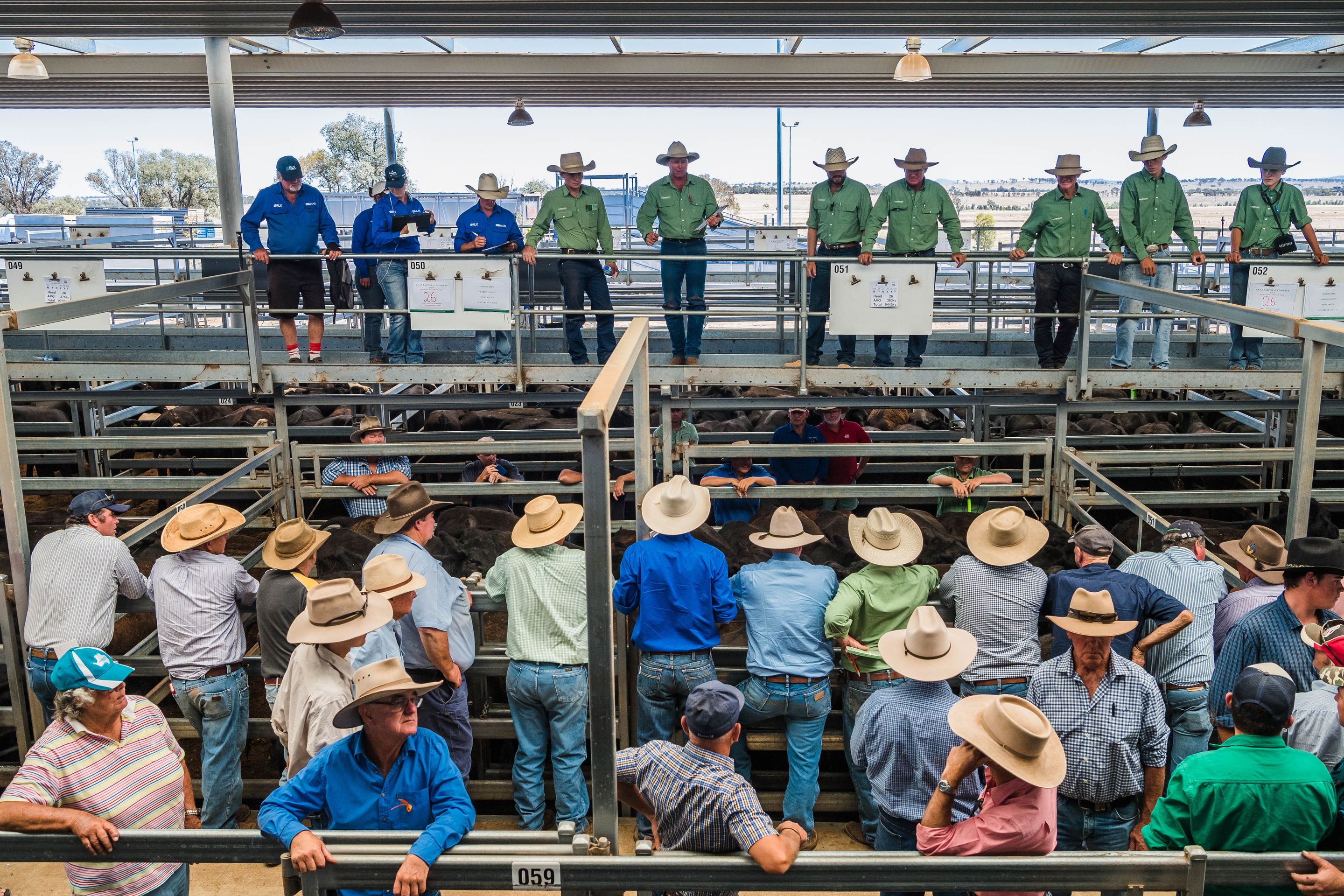

The abstract genetic data that characterises modern breeding evaluation translates directly into tangible financial outcomes through its influence on productivity, product quality, and cost efficiency. Understanding these connections transforms genetic selection from a technical exercise into strategic profit optimisation.
Consider a practical example: selecting a bull whose breeding values indicate exceptional marbling (high intramuscular fat EBV) positions his progeny to achieve premium grid payments for higher quality grades. Even modest improvements in carcass marbling potentially add $100 to $200 per head.
Economic selection indexes synthesise multiple trait breeding values according to their relative economic weights within defined production systems. These indexes account for revenue-generating traits, such as growth rate and carcass value, whilst weighing cost factors like feed efficiency and structural longevity.
Market demands continuously evolve in response to consumer preferences, regulatory requirements, and processing sector specifications. Animals selected today will produce offspring entering markets three to seven years hence, requiring strategic foresight in trait prioritisation. This commercial orientation to genetic selection represents the sophisticated approach that separates profitable operations from those that treat stud stock acquisition as merely replacing animals, rather than strategically advancing the genetic architecture of their production system.
Final Thoughts on Your Breeding Investment
The strategic selection of stud stock rests upon three foundational pillars that must be evaluated and balanced:
- Genetic merit as quantified by breeding values that predict offspring performance
- Physical soundness that ensures longevity and reproductive efficiency
- Proven performance demonstrated through the animal's own records and those of its relatives and progeny
Success in breeding animal selection demands that producers align their genetic choices with specific breeding objectives tailored to their production environment, market endpoint, and management capabilities. The importance of working with reputable breeders who provide transparent genetic data, maintain comprehensive health records, and stand behind their animals with appropriate guarantees cannot be overstated.
Farmbuy's marketplace connects producers with established studs that meet these professional standards, facilitating access to superior genetics for confident breeding decisions. The producers who consistently achieve superior breeding outcomes approach stud stock selection with systematic rigour, comprehensive data analysis, and clear strategic vision. Long-term planning horizons, careful documentation of breeding outcomes, and willingness to refine selection criteria based on empirical results will progressively enhance your capability to identify and acquire the breeding animals that advance your goals.
Frequently Asked Questions
What are the most important genetic traits for breeding success?
The most economically significant genetic traits vary according to production system and market endpoint, but fertility, structural soundness, and growth efficiency consistently rank as foundational priorities. Modern selection should employ balanced indexes that weigh multiple traits according to their economic values rather than pursuing extreme performance in single characteristics.
How can I avoid common mistakes when selecting a breeding animal?
The most prevalent mistakes include relying exclusively on visual assessment without genetic data, pursuing fashionable bloodlines without objective evidence, and selecting for extreme performance in single traits without considering correlated characteristics. Avoid purchasing breeding animals without verified health and fertility examinations, comprehensive vaccination records, and documented breeding values.
What is the difference between phenotypic and genotypic selection?
Phenotypic selection bases breeding decisions on an animal's observable characteristics and measured performance (appearance, weight, or production data). Genotypic selection utilises genetic information including breeding values, DNA markers, and ancestry to predict genetic merit.
How do I assess the genetic potential of a young, unproven animal?
Genomic breeding values (GBVs) have revolutionised the assessment of young animals by incorporating DNA marker information that reveals genetic potential years before progeny testing could deliver results. Young animals typically show accuracies of 30 to 50 per cent with genomic testing, versus 10 to 20 per cent from pedigree alone.
What physical characteristics strongly indicate good breeding potential?
Structural soundness of feet and legs proves fundamental, as breeding animals must remain mobile and sound throughout extended breeding careers. Look for appropriate pastern angle, strong bone, and even toe placement. In males, scrotal circumference relative to age benchmarks and balanced testicular development signal breeding capacity, whilst females should display well-formed vulvas with minimal inclination and appropriate pelvic dimensions.
What role does pedigree play if genomic data is available?
Pedigree retains significant value even when genomic breeding values are available. Ancestry information provides context about genetic consistency, breeding strategies, and proven performance under various conditions that DNA markers cannot reveal. Pedigree analysis identifies animals from families demonstrating reliable trait transmission across generations, suggesting genetic stability that will translate to predictable outcomes.
What diseases are most critical to screen for before purchase?
Priority disease screening depends on your region, species, and existing herd health status, but sexually transmitted diseases demand particular attention for breeding animals. Bovine Viral Diarrhoea (BVD), Infectious Bovine Rhinotracheitis (IBR), Campylobacter, and Trichomonas in cattle; Brucella ovis and ovine Johne's disease in sheep. Tuberculosis testing remains mandatory in many jurisdictions, while footrot status in sheep influences both productivity and biosecurity planning.
How much emphasis should I place on a single high-performing trait?
Excessive emphasis on single traits will probably produce unintended negative consequences in correlated characteristics. Animals with extreme breeding values for growth rate, for example, often exhibit increased mature size that elevates lifetime feed requirements and may compromise structural soundness. Your selection strategy should prioritise traits most limiting in your current herd while maintaining minimum standards across all economically important characteristics.
What are Estimated Breeding Values (EBVs) and how are they used?
Estimated Breeding Values (EBVs) measure an animal's genetic merit for certain traits, expressed as the expected difference in performance of its progeny compared to progeny of breed-average animals, given the same environmental conditions. Producers use EBVs to make objective comparisons between candidate breeding animals and to identify individuals whose genetic profile aligns with their breeding objectives.
How does an animal's conformation impact its longevity and fertility?
Conformation directly influences an animal's capacity to remain structurally sound and reproductively functional throughout an extended breeding career. Poor feet and leg structure accelerates mechanical breakdown, reduces mobility for grazing and breeding activity, and frequently leads to premature culling. Udder conformation in females affects calf nutrition, disease susceptibility, and the duration of productive breeding life. Reproductive organ conformation impacts fertility directly: excessive vulval inclination in females increases susceptibility to reproductive tract infections, whilst poor scrotal attachment in males compromises thermoregulation essential for sperm production.
