















How to Select Premium Stud Bulls for Beef Production


A single sire can influence up to 80% of a herd's genetic improvement over just a few years, making the selection of quality stud stock one of the most critical long-term financial decisions a beef producer faces. The ripple effects of this choice go far beyond the initial purchase, shaping the profitability and genetic trajectory of your entire operation for years to come. Whether you're a seasoned cattleman or developing your breeding programme, understanding how to evaluate and select premium bulls requires a systematic approach that balances genetic potential, physical soundness, and economic value.
This comprehensive framework will guide you through the essential steps of making an informed selection that drives both herd quality and profitability in today's competitive beef production landscape.
Setting Your Breeding Programme Goals
Before evaluating any potential sire, establishing breeding objectives forms the foundation of successful stud stock selection. Clarifying this ensures your investment aligns with your specific market requirements and environmental conditions.
Your target market fundamentally shapes the traits you should prioritise. You may be aiming to produce weaners for restockers, yearlings for feedlots, or finish cattle for particular grid specifications. Each pathway demands different genetic emphasis. Analysing your current cow herd's strengths and weaknesses provides crucial insight into which traits require improvement, whether that's enhancing maternal milk production, adding frame size, or increasing muscling capacity.
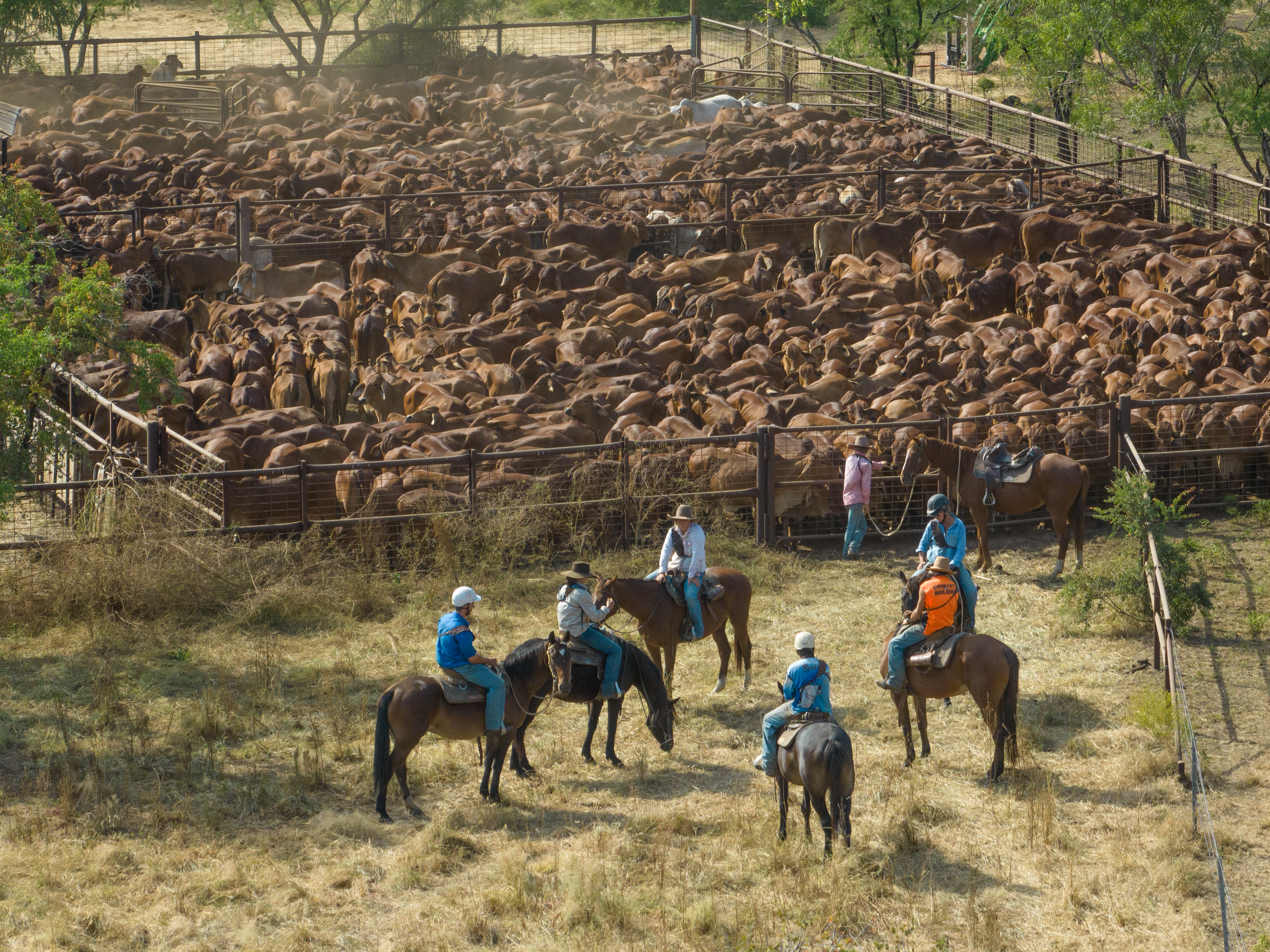
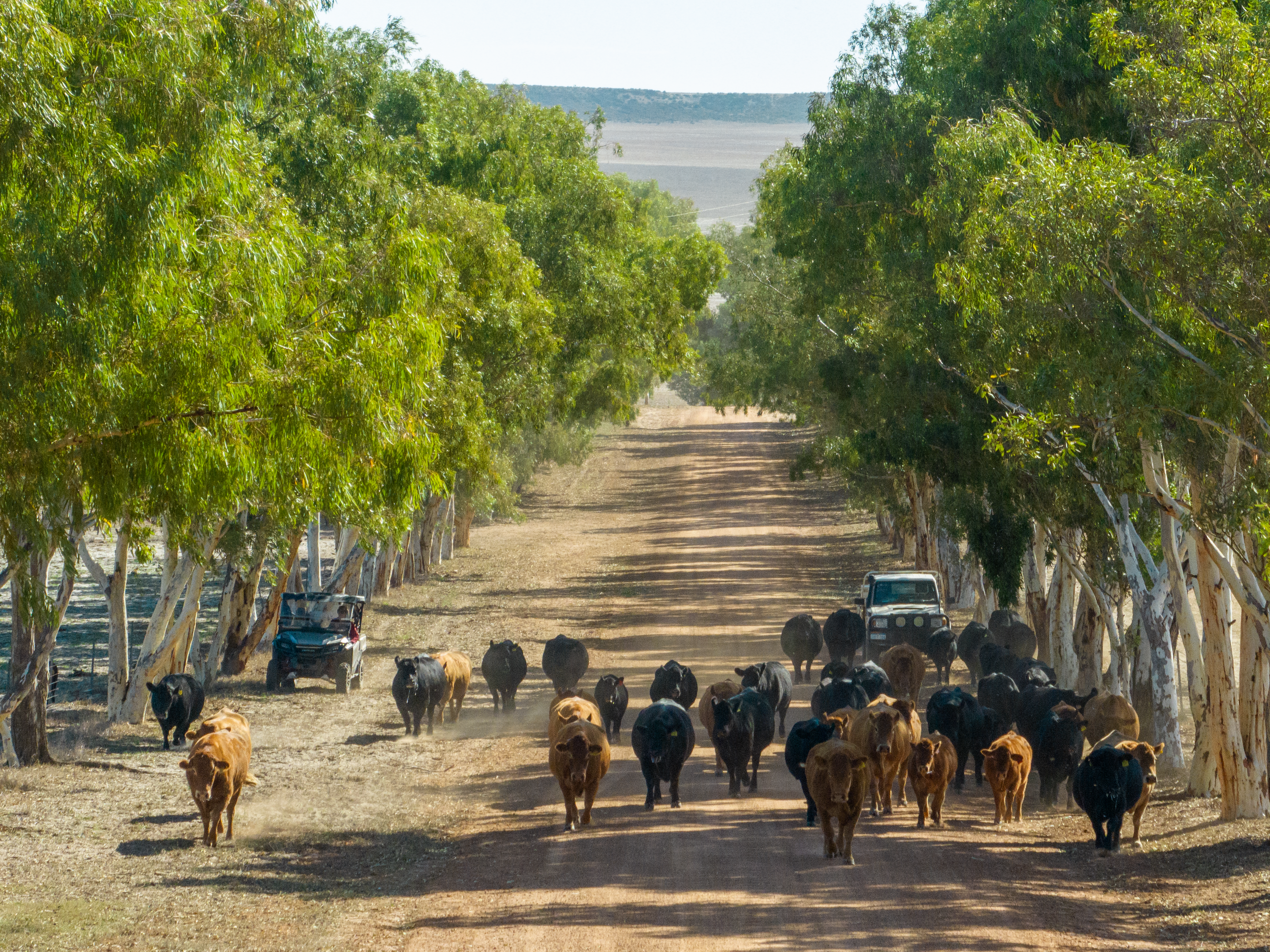
Environmental adaptability cannot be overlooked, as matching genetics to your climate, topography, and feed resources determines whether those superior genetics can actually be expressed in your production system. Northern operations might prioritise heat tolerance and tick resistance, whilst southern producers may focus on feed efficiency in tougher country. Setting measurable goals, such as increasing weaning weights by certain percentages or improving calving ease rates, transforms vague breeding aspirations into actionable selection criteria that guide your decisions.
Key Physical Traits for Soundness and Longevity
Visual appraisal remains fundamental to selecting bulls with the structural soundness necessary to perform effectively in the paddock for multiple breeding seasons. Even the most impressive genetic data becomes worthless if the bull cannot physically serve cows.
Ideal beef cattle conformation encompasses balance throughout the animal's frame, adequate depth of body for feed capacity, and sufficient spring of rib indicating respiratory and digestive efficiency. Feet and leg structure deserve particular scrutiny, as these determine the bull's ability to travel distances and mount cows repeatedly. Look for strong pasterns that cushion movement, correct hock angles that provide leverage, and properly shaped hooves that resist cracking and lameness.
Common structural faults like sickle-hocked or post-legged conformations may seem minor at sale time, but can dramatically reduce a bull's working life. Muscling assessment, particularly through the hindquarter where premium cuts originate, indicates the bull's ability to transmit meat quality to progeny. Frame size must match your environment and cow herd to manage birth weights and mature cow maintenance requirements.
Masculine characteristics and reproductive health indicators, including well-developed scrotal circumference, correct testicular shape and consistency, and a healthy sheath configuration, provide visual confirmation of fertility potential before more detailed examinations.
A Practical Guide to Understanding Genetic Data
Modern genetic evaluation tools, particularly Estimated Breeding Values (EBVs), transform bull selection from guesswork into data-driven decision-making by providing objective comparisons of genetic merit across different herds and management systems. EBVs represent the best estimate of an animal's genetic potential for specific traits, calculated from performance data on the individual, its relatives, and progeny, allowing producers to compare animals raised in completely different environments on a level playing field.
Critical EBVs for beef production include:
- Calving ease metrics (direct and daughters), which predict the bull's impact on reducing dystocia and calf losses
- Growth traits measured at 200, 400, and 600 days that indicate weight gain potential without excessive mature size
- Fertility indicators like scrotal size and days to calving that influence reproductive efficiency
- Carcass traits including eye muscle area, fat depth, and intramuscular fat percentage that determine market premiums
Selection indexes simplify this complexity by combining multiple EBVs into single dollar values weighted for economic importance within specific production systems. Examples include self-replacing operations prioritising maternal traits, or terminal systems focusing on growth and carcass quality. Genomic testing increasingly enhances EBV accuracy, particularly in young bulls without progeny data, providing greater confidence in selection decisions and accelerating genetic progress. Farmbuy's marketplace often features bulls with comprehensive genetic data, accommodating producers’ EBV requirements.
Assessing Health and Reproductive Fitness
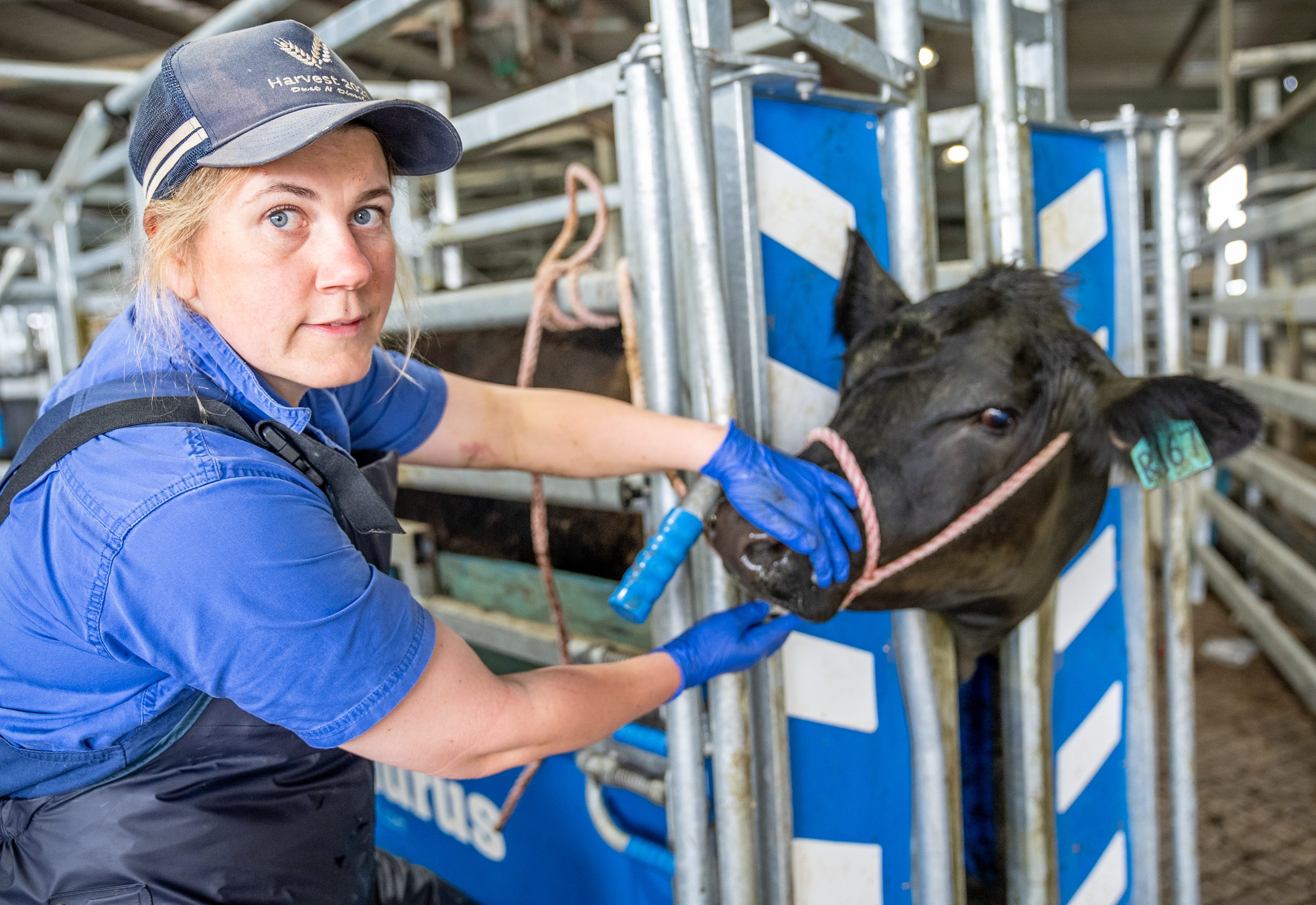
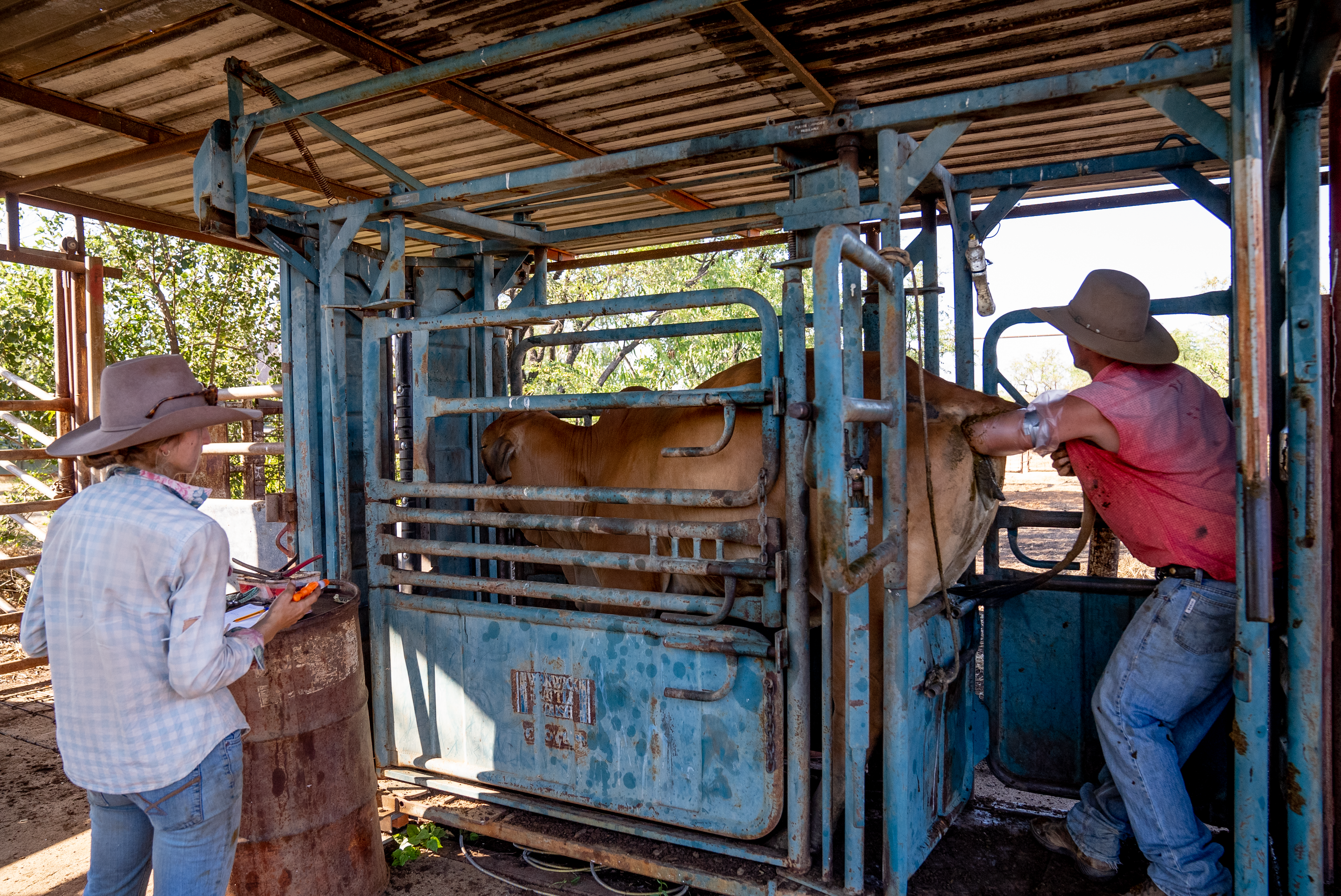
Comprehensive health and fertility assessments protect your investment and existing herd from both reproductive failure and disease introduction, shaping these evaluations into non-negotiable components of the selection process.
Every bull should undergo and pass a current Breeding Soundness Examination (BSE), which encompasses:
- Physical evaluation of reproductive organs
- Scrotal measurement to assess sperm-producing capacity
- Detailed semen analysis examining both motility and morphology to confirm fertility
Requesting complete health histories, including vaccination records for diseases like Pestivirus, Vibriosis, and Leptospirosis, ensures the bull arrives protected against common reproductive diseases that could devastate conception rates. Temperament assessment during yard and paddock observations reveals whether the bull possesses the calm yet confident disposition essential for safe handling. Remember that temperament is highly heritable and influences the entire herd's ease of management and stress responses. Implementing strict biosecurity protocols, including appropriate quarantine periods for new arrivals, protects your existing herd from disease introduction, while allowing time to complete any outstanding health treatments. Documentation of all health testing and treatments provides valuable records for management decisions and potential resale considerations.
Economic Factors and Calculating Your Return on Investment
Evaluating bull purchases through an investment lens shifts focus from initial price to lifetime value generation, making sure your selection delivers maximum economic returns. Superior genetics command premium prices, but calculating the added value per calf from improved weaning weights, enhanced carcass merit, or reduced calving assistance quickly demonstrates how higher-quality stud stock generates significantly greater income over their lifetime.
Estimating return on investment requires projecting the number of calves sired across the bull's working life (typically 120-150 calves over four years). Additionally, multiply by the genetic improvement value per calf, and factor in the bull's salvage value at career's end. Proven genetics, demonstrated through documented progeny performance and stud stock sales results, reduce investment risk by providing confidence in the bull's ability to transmit desirable traits consistently.
When browsing Farmbuy's platform, make sure to evaluate multiple bulls' genetic and economic credentials simultaneously, ensuring competitive pricing for desired genetics. The false economy of purchasing cheaper bulls with inferior genetics becomes apparent when calculating the opportunity cost of reduced calf performance multiplied across years of production.
Final Thoughts on Selecting Your Next Herd Sire
Successful bull selection integrates three critical components:
- Clearly defined breeding objectives aligned with your production system
- Thorough analysis of genetic data to identify superior merit for priority traits
- Comprehensive physical inspection confirming structural and reproductive soundness
Building relationships with reputable seedstock producers who understand your operation's requirements provides ongoing support beyond the initial purchase, including advice on mating strategies and access to emerging bloodlines. The investment you make in stud stock today determines not just next year's calf crop but establishes the genetic trajectory and profitability potential of your entire operation for the coming decade. Farmbuy connects producers with quality seedstock suppliers across the country, streamlining the search process whilst providing transparency in pricing and genetic information. Remember that selecting the right bull represents a foundational investment in your herd's future, where the dividends of superior genetics compound across generations of cattle production.
Frequently Asked Questions
What is the first thing I should do when selecting a bull?
Define your specific breeding goals based on your target market and production system, then analyse your current cow herd to identify which traits need improvement through your bull selection.
How important is a Breeding Soundness Exam (BSE)?
A BSE is absolutely critical and non-negotiable. It provides the only reliable verification that a bull is fertile and physically capable of successfully breeding cows, protecting your investment from reproductive failure.
What are the most important EBVs to look at?
Priority EBVs depend on your production goals, but a balanced approach should include calving ease (for reducing dystocia), growth traits like 200 and 400-day weights, and fertility indicators such as scrotal size and days to calving.
How much should I spend on a new bull?
Quality bulls typically justify prices equivalent to 3-5 market-weight progeny. Focus on potential return on investment through genetic improvement instead of minimising the initial purchase price.
How can I tell if a bull has good temperament?
Observe the bull's behaviour in yards and paddocks, looking for calm confidence and avoiding aggression or nervousness. Ask breeders about the temperament of both the sire and dam, as this trait is highly heritable.
What does 'structural soundness' mean?
Structural soundness refers to correct physical conformation of feet, legs, and body structure, enabling the bull to walk freely, mount cows without difficulty, and maintain a longer productive working life.
Should I buy a younger or older bull?
Younger bulls (18-24 months) offer more working years, whilst proven older sires have progeny performance data that reduces genetic risk. Your choice depends on budget constraints and risk tolerance.
What role does genomics play in bull selection?
Genomic testing analyses DNA samples to increase EBV accuracy, providing greater confidence in genetic predictions, especially for young bulls without progeny data or hard-to-measure traits.
How do I use a selection index?
Selection indexes combine multiple EBVs into dollar values reflecting a bull's suitability for specific production systems, simplifying comparisons between bulls for overall profitability within your operation.
What is the ideal frame size for a bull?
Ideal frame size should be moderate and matched to your environment and existing cow herd, as excessively large frames increase birth weights, calving difficulties, and mature cow maintenance costs.
