













Charolais Cattle
What Makes Charolais Cattle a Sought-After Beef Breed?
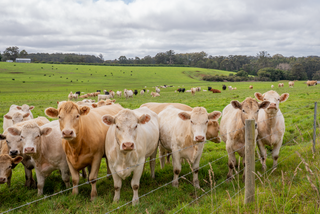
Few breeds have left as lasting a mark on the Australian beef industry as the Charolais. Originating in the Charolles region of France, these large-framed, cream-to-white cattle arrived in Australia in the early 1970s. Within decades it had earned a commanding reputation as one of the country's premier beef breeds. Today, Charolais cattle are valued by commercial producers, stud breeders and backgrounders alike for their incredible growth rates, outstanding carcase quality, and remarkable adaptability throughout Australia.
Whatever you are looking for, Farmbuy connects you directly with Australia's leading Charolais stud breeders - from the tick-country paddocks of Central Queensland to the high-altitude tablelands of New South Wales.
Charolais Cattle Studs











Latest Charolais Cattle News
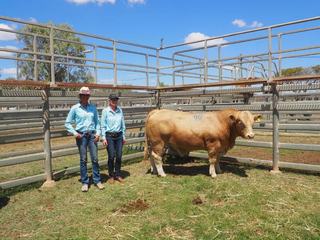
The top and second-highest-priced Charolais bulls at the fourth annual Ray White Barcaldine Bull Sale are heading to stud duties in central...
Commercial buyers drove the fourth annual Ray White Barcaldine Bull Sale, held on Friday, September 25 at the Barcaldine saleyard, where 80...
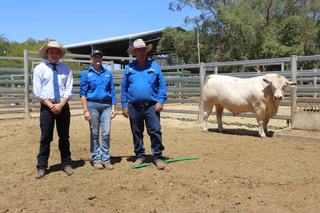
Having good bulls for sale in the region was one of the big attractions for buyers at the inaugural Best of the West Charolais bull sale at...
Having good bulls for sale within the region was a major draw for buyers at the inaugural Best of the West Charolais bull sale at Blackall...
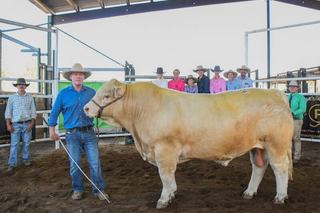
A strong sale result and an impressive top price of $100,000, achieved for the second year in a row, has rounded out an exceptional year...

The Moongool Charolais and Simbrah sale delivered a $100,000 top price for the second year in a row when it was held on-property at Yuleba...
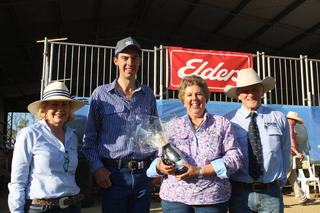
The Charolais bull prices gave the Angus sire prospects a run for their money at the annual Ascot bull sale, which saw the overall...

The annual Ascot bull sale delivered a standout result, grossing more than $2.5 million as Charolais prices pushed hard against the Angus...
The top-priced bull at the 2026 Glenlea Beef bull and female sale, held at the Roma saleyards, is bound for a newly established stud in the...
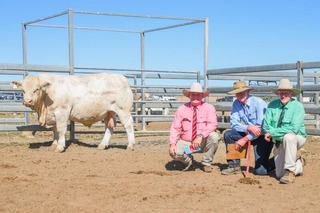
It was an exciting day for Ayr Charolais on Monday, September 14, with the stud achieving both a record average and top price at its 2026...
Ayr Charolais set a new stud record for both average and top price at its 2026 on-property sale at Mungabunda, Moura.

Bidding stayed strong to the very end at the Monto Annual All Breeds bull sale, held at the Monto saleyards on September 12 despite rain...
Charolais Breed Characteristics & Performance Traits
Muscle, Growth & Carcass Quality
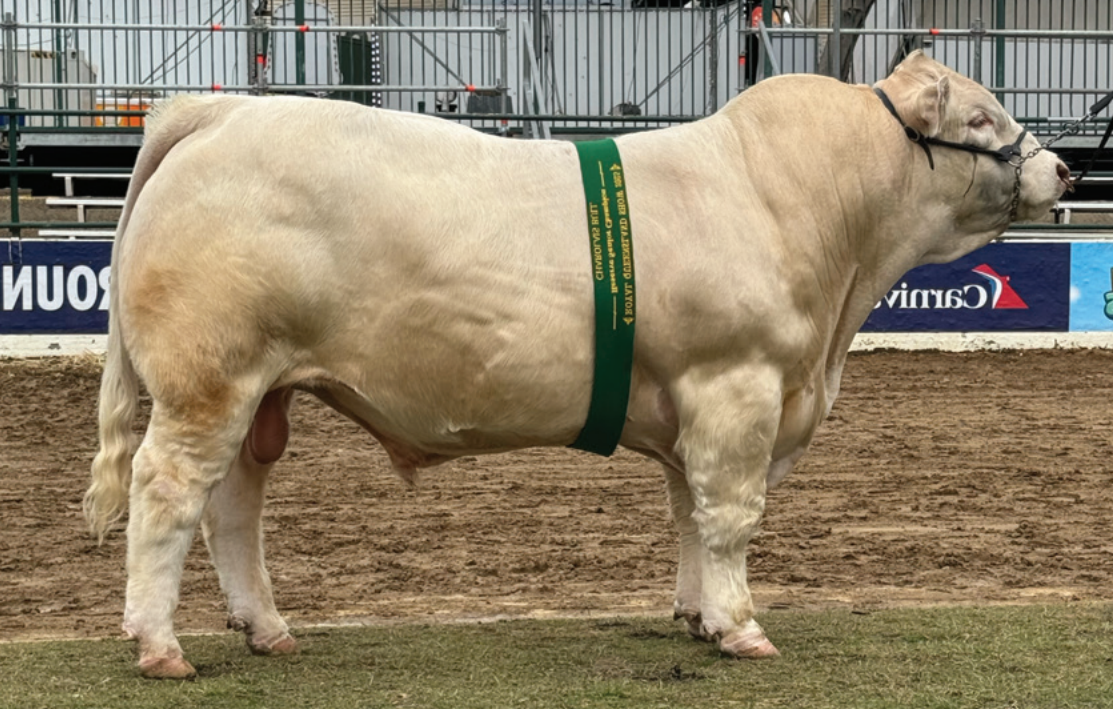
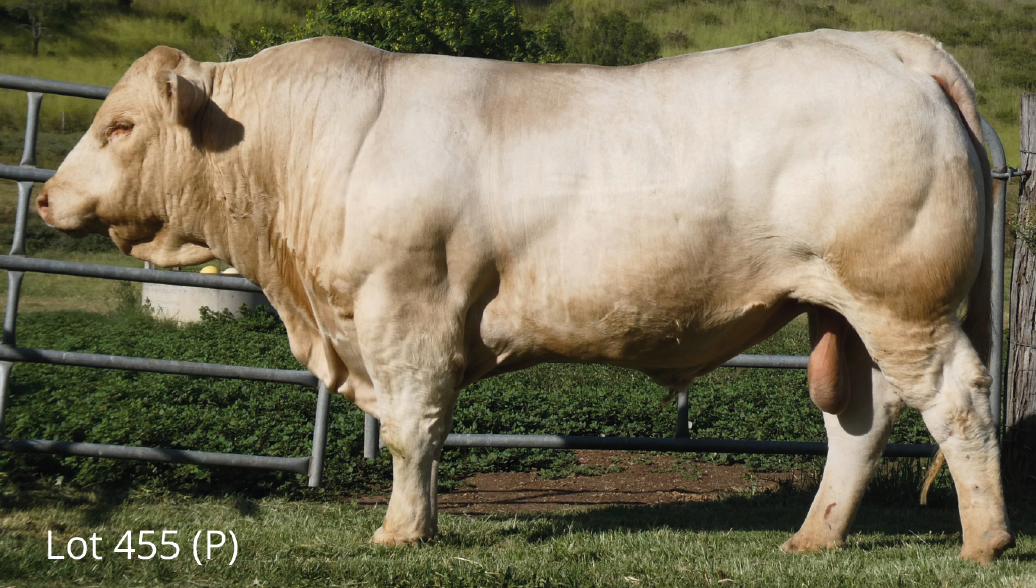
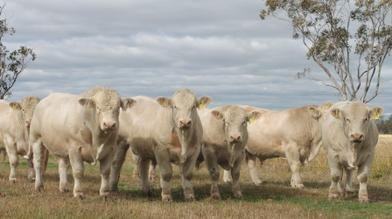
The Charolais is widely regarded as one of the most heavily muscled beef breeds in the world. Its hallmark traits - depth of body, deep hindquarters, width, length and abundant muscling - translate directly to superior carcase yields and heavier sale weights. Commercial operations running Charolais-sired progeny consistently report steer carcase yields averaging 54%, with grain-finished animals reaching 600 kg liveweight at milk tooth after just 90 days on feed.
Charolais cattle are sought-after for their easy-finishing ability, performing equally well on natural pasture as they do in feedlot systems. This flexibility positions them as a natural fit for both domestic trade markets and premium export programs. Breeding selections at leading Australian studs preference long-bodied animals with adequate muscling on a wide, deep frame. This is a proven formula that, as DSK Charolais notes, equates to dollars in your pocket independent of breed statistics.
Temperament, Fertility & Maternal Traits
Despite their imposing size, Charolais cattle are known for their mild temperament and docility - traits that simplify handling for operations of all scales. Leading studs, including AYR Charolais and Wakefield Charolais, have bred for calm, manageable cattle across multiple generations, with bulls handled in large paddock mobs alongside horses and dogs from an early age.
Fertility is a cornerstone of the breed. The best Australian stud operations enforce strict annual female assessments and cull poor performers quickly. They retain only those that meet exacting standards for udder quality, teat conformation, milk production, and feet. The result is a consistently high-performing cow herd that passes strong maternal genetics through to each generation of bulls offered for sale.
Adaptability Across Australia's Diverse Climates
One of the Charolais breed's most underrated strengths is its adaptability. AYR Charolais has demonstrated over 51 years that quality Charolais bulls that were born and bred in Central Queensland's tick-infested, humid conditions go on to produce resilient progeny suitable for every region of Australia. From the tropical north to the temperate tablelands of New South Wales and the western downs of southern Queensland, registered studs have proven the breed's capability to thrive and perform under unforgiving environments.
Charolais as a Terminal & Crossbreeding Sire
The Charolais offers what industry insiders describe as the complete crossbreeding package. When used as a terminal sire over Bos Indicus or British breed females (Angus, Hereford, and Shorthorn), Charolais bulls deliver a powerful combination of hybrid vigour, growth, muscle and thickness that few can match.
Barambah-Dale Charolais summarises the commercial appeal perfectly: "We have a real passion for the breed with their ability to infuse growth, muscle and thickness when crossed with virtually any other breed." This trait has placed the Charolais as the sire of choice for beef producers targeting domestic and export markets.
In tropical and subtropical regions, the Charbray, a Charolais-Brahman composite, adds tick resistance and heat tolerance to the equation, further expanding the breed's geographic reach. Kandanga Valley Charolais, established in 1988, describes the Charbray's "tremendous growth and easy doing ability with the added benefit of tick resistance" the reason behind these cattle being "the most profitable in our environment and probably most other environments as well."
Progeny sired by quality Charolais bulls will often be suitable to grass-fed supply chains, feedlot finishing and premium branded beef programs. They provide producers maximum flexibility at the point of sale.
The Rise of Polled Charolais in Australia
Market demand for improved livestock management practices has driven a significant shift towards polled Charolais genetics. The elimination of dehorning reduces animal stress, improves welfare outcomes, and lowers labour and cost burden.
Ascot Charolais, based near Warwick in Queensland, is widely regarded as a pioneer in polled Charolais breeding. Their polled Charolais are prized for moderate size, exceptional growth rates, superior carcase quality, lower birth weight and docility.
At a national scale, Palgrove Charolais, the country's largest registered Charolais operation, now maintains over 1,000 polled breeding females, with numbers growing substantially each year. The combination of modern genetic technologies and traditional breeding disciplines has made reliable polled inheritance an achievable and commercially rewarding goal for producers.
Elite Genetics Driving Australia's Charolais Studs
The foundation of Australia's Charolais industry is built on carefully curated genetics with direct links to France. Since the early 70s, leading Australian studs have imported semen and embryos from France and England, introducing elite female bloodlines unrelated to existing Australian populations and maintaining genetic diversity at the highest level.
Today, eminent stud operations deploy extensive embryo transfer programs, with some implanting over 100 embryos per year. In addition, AI programs are utilised with proven sires to rapidly advance performance. Estimated Breeding Values (EBVs) are widely adopted across registered studs to give buyers objective, data-driven guidance on growth, calving ease, milk production and carcase traits.
Breeding objectives across leading studs tend to target a balanced suite of traits: softness, adequate fat cover, structural soundness, fertility, temperament and strong maternal quality. Stud herds range from mini operations of 40-180 through to large-scale enterprises maintaining over 2,000 females, ensuring that buyers of every scale can find Charolais genetics matched to their production system.
Find Registered Charolais Studs on Farmbuy
Farmbuy is home to Australia's most comprehensive directory of registered Charolais stud breeders. From long-established Queensland operations (including Palgrove, DSK, Kandanga Valley, Barambah-Dale, ANC, AYR, Ascot, Bauhinia Park, Lilydale, and Moongool Charolais) to NSW-based studs such as Wakefield Charolais, the platform connects buyers directly with breeders whose programs span more than five decades of genetic improvement.
Annual on-property bull sales, Royal Show competitions, and All-Breeds auctions are all listed on Farmbuy, giving you advance notice of upcoming sale events and direct access to stud principals. Whether you are purchasing your first Charolais bull or expanding a registered stud herd, Farmbuy makes finding and contacting the right breeder straightforward.
How to Choose the Right Charolais Bull or Heifer
Selecting the right Charolais genetics starts with a clear understanding of your production system and market target. Consider the following:
- Production system: Match genetics to your operation - grass-fed backgrounding, feedlot finishing, or stud breeding each demand a different emphasis on growth, carcase, and maternal traits.
- Polled vs horned: If animal welfare and dehorning avoidance are priorities, seek out polled-focused studs such as Ascot or Palgrove Charolais.
- EBVs: Use Estimated Breeding Values to objectively compare bulls across growth, calving ease, milk, and carcase yield traits.
- Structural soundness: Assess feet, legs, scrotal circumference, and overall frame at purchase or via the stud's inspection records.
- Temperament: Quiet, docile cattle lower the risk of handling injuries and are increasingly valued by processors and supermarkets.
- Doing ability: Look for bulls whose progeny have demonstrated the capacity to fatten efficiently on grass - a key profit driver in Australian beef systems.
Attend on-property sales where possible, or contact stud principals directly through their Farmbuy profiles to discuss available bulls, sale dates, and private treaty options.
Frequently Asked Questions About Charolais Cattle
What is the origin of the Charolais cattle breed?
Charolais cattle originate from the Charolles district of Burgundy in central France, where the breed was developed over centuries as a large, heavily muscled draught and beef animal. They were first imported into Australia in the early 1970s, with the Cass family of AYR Charolais Stud among the earliest pioneers, moving their cattle operation from England to Australia in 1972 and establishing a stud using Full French AI over Santa, Angus, Hereford and Shorthorn foundation females.
What are the key characteristics of Charolais cattle?
Charolais are known for their large, muscular frame, cream to white in colour, with depth of body, wide hindquarters, and exceptional growth rates. Key breed traits include superior carcass yield, easy-finishing ability on grass or in the feedlot, quiet temperament, strong fertility, excellent milk production and good structural soundness. They consistently rank among the top breeds for dressing percentage and meat yield in Australian carcase competitions.
Are Charolais cattle suitable for crossbreeding programs?
Yes - Charolais are widely regarded as one of the best crossbreeding and terminal sire breeds available in Australia. When crossed with Bos Indicus (Brahman-type) or British breeds such as Angus, Hereford, or Shorthorn, Charolais bulls deliver powerful hybrid vigour, adding significant growth, muscling and thickness to progeny. The Charolais/Angus cross, in particular, is highly regarded for producing progeny with both high carcase yield and ease of finishing suited to domestic trade and export markets.
What is a polled Charolais and why does it matter?
A polled Charolais is one that naturally carries the polled (hornless) gene, meaning its progeny are born without horns. This eliminates the need for dehorning - a significant animal welfare improvement that also reduces labour, cost and stress across herd management. Australian demand for polled Charolais has grown substantially in recent years, with studs like Ascot and Palgrove leading the development of the country's largest polled Charolais herds.
How do Charolais cattle perform in tropical and northern Australian conditions?
Charolais cattle have demonstrated strong performance across a wide range of Australian climates. Operations in Central Queensland, such as AYR Charolais Stud, have bred quality bulls in tick-infested, high-humidity environments for over 51 years - producing resilient animals suitable for all regions. For tropical environments where tick resistance is a priority, the Charbray (Charolais x Brahman composite) offers all the growth and muscling traits of the Charolais breed with the added benefit of Bos Indicus heat and tick tolerance.
What are EBVs and how are they used when buying Charolais bulls?
Estimated Breeding Values (EBVs) are statistical estimates of a bull's genetic merit for specific traits, expressed as a deviation from the breed average. For Charolais cattle, key EBVs include 200-day growth weight, 400-day weight, carcase weight, rib fat, rump fat, eye muscle area, calving ease and milk. They allow commercial producers to compare bulls objectively across different studs and select genetics that best fit their production goals.
How much do Charolais bulls typically sell for in Australia?
Charolais bull prices vary widely depending on pedigree, conformation, EBV profile, and sale format. At annual on-property sales and Royal Show competitions, leading sires have sold for $19,000 and above. For example, DSK Red Emperor Y13 was awarded Supreme Champion at the Charolais National Show & Sale and sold for $19,000. Commercial-quality bulls from reputable studs are generally available through on-property and All-Breeds auction events listed on Farmbuy, with prices reflecting the individual bull's genetic merit and vendor reputation.
Where can I find Charolais stud breeders in Australia?
Farmbuy's Charolais stud directory lists registered breeders from Queensland and New South Wales, with further studs across other states. Notable listed operations include Palgrove Charolais (Australia's largest registered herd), DSK Charolais, AYR Charolais Stud, Ascot Charolais, Barambah-Dale Charolais, Kandanga Valley Charolais, Bauhinia Park Charolais, ANC Charolais, Lilydale Charolais, Moongool Charolais and Wakefield Charolais. Browse stud profiles, upcoming sale dates and contact breeders directly through Farmbuy.
What should I look for when assessing Charolais heifers for stud breeding?
When selecting Charolais heifers for a stud program, prioritise structural correctness - sound feet and legs, correct frame size and a well-attached, well-formed udder. Assess fertility history (or dam's record), temperament and doing ability, ensuring the heifer can fatten efficiently on available pasture. Leading studs retain only their top-performing heifers, feedlotting lesser animals to observe their finishing ability before making the final selection cut. EBVs for milk and maternal traits are especially relevant when building a self-replacing stud female base.
When are Charolais bull sales held in Australia?
Charolais bull sales are held throughout the year across Queensland and New South Wales, with the majority of on-property sales scheduled between August and September. Ascot Charolais holds its Annual Bull & Heifer Sale in September; Barambah-Dale Charolais and Wakefield Charolais hold annual auctions in August; and Lilydale Charolais offers bulls through the Rockhampton All-Breeds sale at the Central Queensland Livestock Exchange. All upcoming Charolais sale dates are listed on Farmbuy - browse current listings to plan your attendance or register your interest with a stud directly
