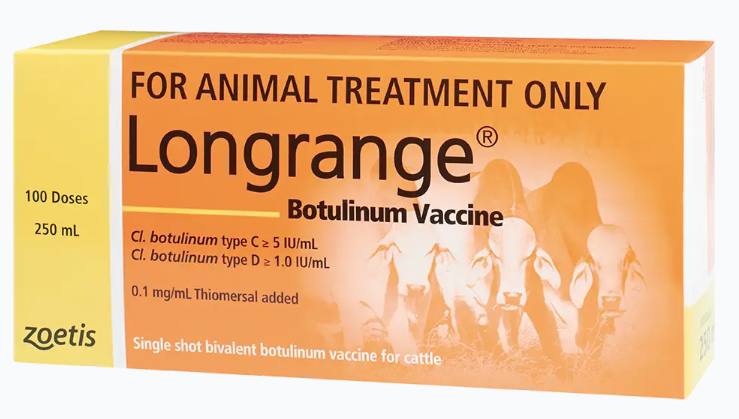















Zoetis Longrange Proven As A Once A Year Protection Against Bovine Botulism

THIS IS BRANDED CONTENT FOR ZOETIS
Botulism is one of the most economically devastating diseases affecting grazing cattle across northern Australia.
The disease, caused by neurotoxins produced by Clostridium botulinum types C and D, leads to paralysis and death with losses often going unnoticed.
A Zoetis spokesperson said advanced botulism vaccine formulations provided protection with a single dose.
"Among them, Longrange stands out for its single annual dose effectiveness, validated field performance and superior safety profile," they said.
WHY BOTULISM IS SUCH A RISK
Clostridium botulinum spores are widespread in Australian soils, but disease has historically been linked to phosphorus-deficient soils.
Botulism is also associated with protein deficiency and occurs seasonally across much of northern Australia, regardless of soil type, as tropical grasses hay off during the dry season and periods of drought.
In an attempt to correct these nutritional imbalances, cattle chew on bones and hides, exposing them to potent type C and D neurotoxins produced by botulism spores growing in the carcases of dead animals.
They might also be exposed by consuming water or feed contaminated by dead animals.
These potent toxins block nerve impulses, resulting in flaccid paralysis and death. Some affected cattle will survive, but suffer from poor productivity because their ability to forage is reduced.
The extensive nature of northern production systems means tell-tale signs of botulism are often hidden. Most cases occur away from water when cattle simply "go missing".
The spokesperson said herd losses of up to 25 per cent and annual death rates of 10-20pc in severely affected groups were well documented.
"There is no specific treatment," they said.
"Control relies entirely on prevention."
VACCINATION THE ONLY EFFECTIVE TOOL
The spokesperson said consistent, high-level, herd-wide immunity was needed to prevent botulism.
"Incomplete musters can leave 5-20pc of animals unvaccinated and vulnerable," they said.
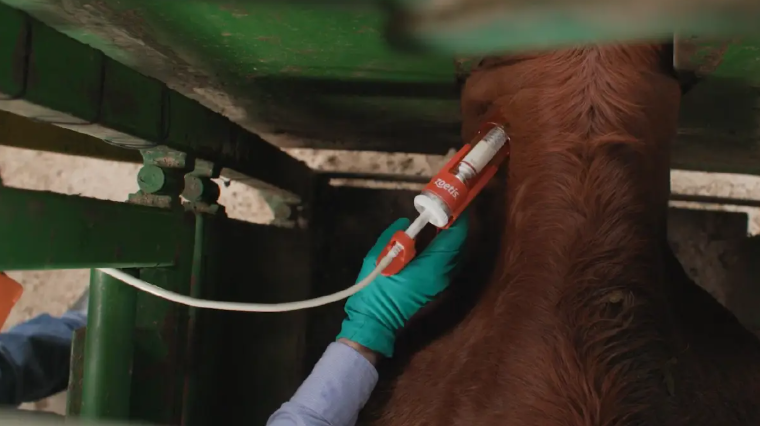
"Longrange is a bivalent vaccine designed for annual administration, which confers immunity within 28 days post-injection.
"It delivers up to 50 times the protection needed, and protective antibodies persist for at least 12 months."
EVIDENCE OF EFFECTIVENESS
A field trial, funded by Meat & Livestock Australia and conducted by government researchers, administered Longrange annually to 1525 replacement heifers.
Over three years, Longrange-vaccinated cattle had mortality rates 50pc lower than unvaccinated control animals running with them in the same paddocks.
The spokesperson said the untreated control group had a 14pc mortality rate, while the vaccinated group had only 7pc mortality from all causes.
The study period included the heifers' first calving season, when calving-related losses often occur.
"For a herd of 1500, vaccination returns a net benefit of $150,750, equating to a cost-benefit ratio of $23.30 per $1 spent," they said.
"This study supports laboratory testing data which demonstrates toxin-neutralising antibody titres lasting for at least a year after initial vaccination, and aligns with field evidence of persistent protection."
SAFETY AND HERD INTEGRATION
Longrange is formulated as a water-based vaccine, minimising site reactions such as granulomas and carcase trim compared to oil-based alternatives.
Controlled studies report cattle vaccinated with Longrange have more than three times fewer large site reactions compared to SingVac, an oil-based vaccine.
The spokesperson said minimising these reactions not only improved welfare, but also maximised carcase value and reduced the risk of cattle being rejected from live export.
"Integration with herd health management is straightforward," they said.
"Longrange can be administered alongside other vaccines for reproductive and clostridial diseases, such as Vibrovax for vibriosis and Pestigard for pestivirus."
RATIONALE FOR ANNUAL BOOSTERS
Research shows immunological maturity in cattle may not occur until as late as puberty, making first-year boosters for heifer calves first vaccinated at weaning vital for establishing lasting protection.
"This is especially relevant for replacement heifers immediately post-calving, when the risk of botulism surges due to nutritional stress brought on by lactation," the spokesperson said.
"Annual vaccination also ensures high maternal antibody transfer from dams to calves, preventing neonatal losses from botulism until the calves themselves can be immunised."
INDUSTRY RECOMMENDATIONS
Annual vaccination avoids the pitfalls of multi-year intervals between vaccinations and complex programs, which can compromise protection due to missed musters, inaccurate records or inadequate immune responses.
The spokesperson said Longrange was developed specifically for Australian conditions, was suitable for organic systems, and contained no genetically modified organisms, "adding further assurance for modern, sustainable production operations".
An annual approach to botulism prevention is essential for sustainable cattle production in high-risk areas.
The spokesperson said Longrange provided rapid, robust and persistent immunity with minimal adverse effects, backed by large-scale field trials and robust testing.
"Annual vaccination of your herd with Longrange is not only scientifically justified, it is economically prudent and logistically efficient, safeguarding the future of your beef production," they said.
Longrange, SingVac, Vibrovax and Pestigard are registered trademarks.