










Understanding ASBVs: How to Select the Best Merino Rams for Wool Quality and Yield
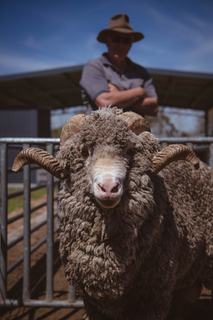

Selecting the correct Merino ram is one of the most consequential decisions an Australian wool producer will make in any given year. A single sire can influence hundreds of progeny across multiple drops, thus shaping the genetic trajectory of an entire flock. Despite this, too many producers frequently rely on visual appraisal alone, overlooking the most objective selection tool available: Australian Sheep Breeding Values (ASBVs).
ASBVs quantify the genetic merit of individual animals for selected production traits. They are not raw measurements taken at shearing, but are statistically derived predictions. Environmental effects are taken into account and they estimate how an animal’s genetics will perform relative to the breed average. For wool-centred enterprises, understanding and applying ASBVs when purchasing rams is the most reliable path to flock improvement.
This guide by Farmbuy, Australia’s trusted livestock and rural equipment marketplace, breaks down the key ASBVs that spur wool quality and yield, and provides a practical framework for making informed ram-buying decisions.
What Are Australian Sheep Breeding Values and Why Do They Matter?
How ASBVs Predict Genetic Merit in Merino Flocks
An ASBV expresses the genetic difference a particular animal is expected to pass on compared to its breed’s base. Unlike raw fleece weight or micron test results, ASBVs account for management group, age, nutrition, and other non-genetic factors. This adjustment is critical, because it isolates the heritable component of performance, which is the part that actually transfers to the next generation.
ASBVs are expressed as deviations from zero. This means that if a ram has a Yearling Clean Fleece Weight (YCFW) of +0.5, it’s predicted to produce progeny that cut 0.25 kg more clean wool than the breed average, once the value is halved to account for the sire’s 50% genetic contribution.
The Role of MERINOSELECT in Standardising Breeding Data
MERINOSELECT, managed by Sheep Genetics, is the national genetic evaluation system for the Australian Merino industry. It collects pedigree and performance data from participating studs and generates across-flock ASBVs. This means rams from different locations can be directly compared, even if one is from a property in western New South Wales and another is from the Western Australian wheatbelt, assuming both are MERINOSELECT-evaluated. For buyers, this cross-stud comparability is enormously valuable.
Why Accuracy Percentages Should Guide Your Confidence
Every ASBV is published with an accuracy figure, expressed as a percentage. Higher accuracy indicates that more data (from the individual, progeny, relatives) has contributed to the estimate. A ram with 85% accuracy on fibre diameter is a far safer investment than one sitting at 40%. When comparing rams with similar ASBVs, always favour the one with higher accuracy.
Key ASBVs for Wool Quality: Fibre Diameter, Staple Strength, and Uniformity
Fibre Diameter (YFD, HFD, AFD) — Breeding for Finer Wool
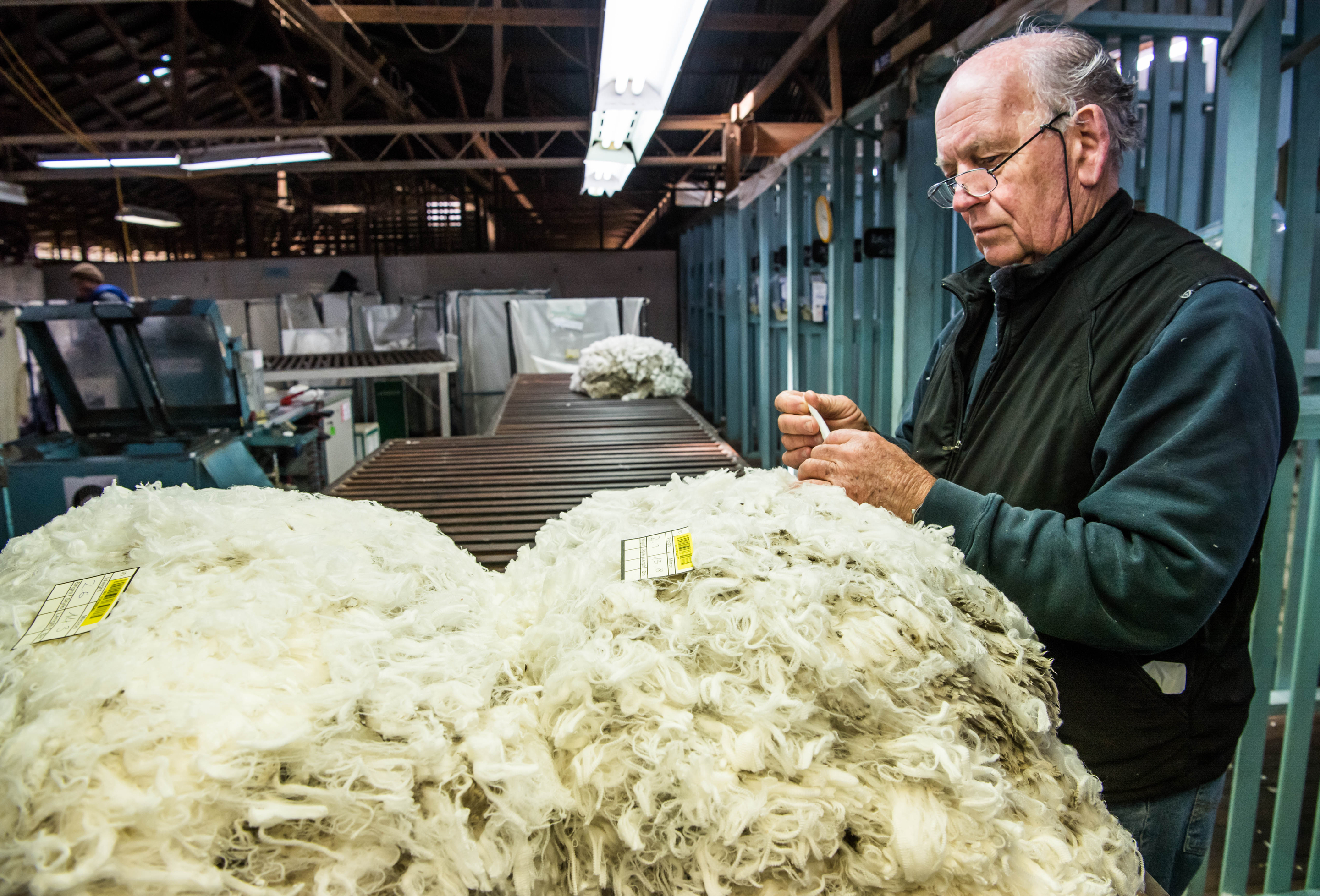
Fibre diameter is the single largest determinant of wool price. ASBVs for this trait are measured at yearling (YFD), hogget (HFD), and adult (AFD) stages. The desired direction is negative; a ram with a YFD of –1.2 is genetically predisposed to produce finer-woolled offspring than one at –0.3. For producers targeting sub-19 micron clips, prioritising strongly negative fibre diameter ASBVs is a must.
Staple Strength and Staple Length — Ensuring Processing Performance
Staple strength (YSS, HSS, ASS) measures the force required to break a staple of wool. Weak staples break during processing and attract significant price penalties, indicated by lower values. Staple length (YSL, HSL, ASL) predicts fibre length, which affects both yield at processing and the manufacturing options available to buyers. Rams with positive ASBVs for both traits will produce wool that holds together from paddock to mill.
Fibre Diameter CV and Curvature — Measuring Fleece Consistency
The Fibre Diameter Coefficient of Variation (FDCV) measures how uniform the fibres are within a fleece. A lower ASBV here indicates tighter consistency, and processors prefer the more predictable yarn quality. Fibre curvature reflects the degree of crimp in the wool. Higher curvature ASBVs are associated with better bulk and resilience, which add value in apparel and textile manufacturing.
ASBVs for Wool Yield: Maximising Clean Fleece Weight
Understanding Clean Fleece Weight ASBVs (YCFW, HCFW, ACFW)
Clean fleece weight ASBVs predict the genetic capacity of an animal to cut more clean wool. These are arguably the most commercially significant yield traits. As an example, a ram with a YCFW of +0.8 is expected to sire lambs that produce notably heavier fleeces than average. In a flock of 1,000 ewes, that genetic uplift compounds dramatically over the years.
Balancing Yield Against Quality — Avoiding Genetic Trade-Offs
Breeding exclusively for heavier fleeces without monitoring fibre diameter can lead to coarser wool over successive generations. This is where selection indexes become paramount. Programs like MERINOSELECT provide single-figure indexes, like the Fibre Production Plus (FP+) index, that weigh traits according to their economic value. Use of an index ensures that gains in fleece weight are not at the expense of fineness or staple quality.
A Step-by-Step Ram Selection Strategy Using ASBVs
Define Your Breeding Objective Before Reviewing Data
Before examining any sale catalogue, clarify what your flock needs. A fine wool enterprise chasing 16–18 micron markets has differing priorities to a dual-purpose operation balancing wool income with lamb growth. Underline the three or four traits that matter most to your bottom line so as not to fall for the common trap of being allured to a single impressive figure on sale day.
Rank Rams by Selection Index, Then Examine Individual ASBVs
Start by sorting available rams by the MERINOSELECT index most aligned with your production system. Once you have a shortlist of the top-ranked animals, drill into the individual ASBVs. Confirm that the rams excelling on the index are not carrying a hidden weakness in a trait of value. A high index score with a poor staple strength ASBV, for instance, warrants caution.
Combine Genetic Data with Visual Assessment
ASBVs are powerful, but they do not cover all relevant traits. Visual assessment stands as an important precaution for identifying structural faults, fleece rot susceptibility, wool character, and overall constitution. The most effective selection approach combines ASBVs to create a shortlist and visual classing to make the final cut.
Practical Tips for Buying Merino Rams with Strong ASBVs
Halving the ASBV — Estimating Progeny Performance
A ram contributes half its genetics to each lamb. To estimate the actual performance shift in your next drop, halve the ASBV. If a ram has a YCFW of +1.0, expect his lambs to average roughly +0.5 above the breed base for clean fleece weight. This simple calculation grounds expectations and helps justify the price premium for genetically superior sires.
Comparing Rams Across Studs Using MERINOSELECT
Because MERINOSELECT evaluates animals on a common genetic base, you can legitimately compare rams from different studs and states. This opens up sourcing opportunities far beyond your local sale circuit. Search the MERINOSELECT database online, filter by relevant traits and index scores, and build a shortlist before attending sales or contacting breeders.
Finding Quality Merino Rams for Sale on Farmbuy
Farmbuy connects producers with quality livestock listings across Australia. Whether you are sourcing MERINOSELECT-evaluated stud rams or commercial sires with documented breeding data, Farmbuy’s livestock marketplace provides a convenient platform to compare options, review seller details, and enquire directly. Bookmark the Farmbuy livestock page to stay updated on newly listed Merino rams as they come to market.
Frequently Asked Questions
What does ASBV stand for in Merino sheep breeding?
ASBV stands for Australian Sheep Breeding Value. It is a statistically derived estimate of an animal’s genetic merit for a specific trait, adjusted for environmental influences such as nutrition, management, and age.
Which ASBV is most important for wool fineness?
Fibre Diameter ASBVs, encompassing YFD (yearling), HFD (hogget), and AFD (adult), are the primary indicators of wool fineness. A more negative value indicates genetically finer wool.
How do I use ASBVs to select Merino rams for higher wool yield?
Focus on Clean Fleece Weight ASBVs (YCFW, HCFW, ACFW). Higher values indicate rams whose progeny are genetically predisposed to cut heavier fleeces.
Should I rely on ASBVs alone when selecting a Merino ram?
No. ASBVs should be utilised alongside visual appraisal. Do this to assess physical traits not fully captured by ASBVs, such as structural soundness, fleece character, and absence of fleece rot.
How do selection indexes like MERINOSELECT simplify ram buying?
Selection indexes combine multiple trait ASBVs into a single score weighted by economic value. This allows producers to rank rams holistically as opposed to juggling individual figures.
Why should I halve a ram’s ASBV when estimating lamb performance?
A sire passes 50% of his genetics to each offspring. Halving the ASBV gives a realistic estimate of the genetic gain expected in the progeny.
What is a good fibre diameter ASBV for fine wool production?
It depends on your flock’s current genetic base and market targets. Generally, rams with YFD values of –1.0 or lower are considered strong candidates for fine wool breeding programs.
Where can I find Merino rams with published ASBVs for sale in Australia?
Farmbuy’s livestock marketplace lists Merino rams from breeders across Australia. You can also search the MERINOSELECT database at sheepgenetics.org.au for ASBV-evaluated animals.
Make Informed Ram Selections for Lasting Flock Improvement
Genetic progress in wool quality and yield is cumulative and compounding. Every ram purchase either accelerates or stalls that progress. By understanding ASBVs, applying selection indexes, and grounding decisions in clear breeding objectives, Australian wool producers can make confident, data-backed choices that deliver consistent returns. Browse Merino ram listings on Farmbuy today and take the next step toward building a more productive flock.
