













Limousin Cattle
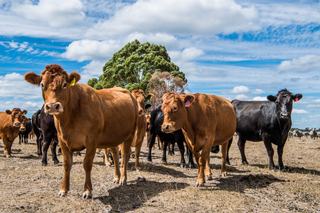
Few beef breeds have earned a nickname quite as telling as "the butcher's animal." That distinction belongs to the Limousin, a French breed whose reputation for unparalleled meat yield has made it one of the most commercially lucrative cattle lines across Australia. Originally developed in the Limousin region of central France as a powerful draught animal, the breed was first introduced to Australia in the early 1970s. Over the past five decades, Limousin cattle have proven remarkably adaptable, thriving in conditions ranging from the tropical heat of the Northern Territory to the cold highlands of Tasmania.
This guide covers what makes Limousin beef so popular among producers and processors, how the breed performs in crossbreeding programs, what to look for when selecting genetics, and where to find quality Limousin cattle for sale through studs listed on Farmbuy.
Limousin Cattle Studs







Latest Limousin Cattle News
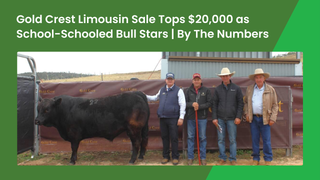
Light rain did not deter buyers at the annual Gold Crest Invitational Limousin sale at Crows Nest on August 23, where a solid commercial...
Light rain throughout the sale did not stop buyers from turning up for the annual Gold Crest Invitational Limousin sale in Crows Nest on...
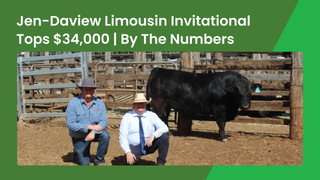
The 2026 invitational Jen-Daview Limousin and Angus sale saw the Coolabunia saleyards fully packed and then some, with bidding hot from the...
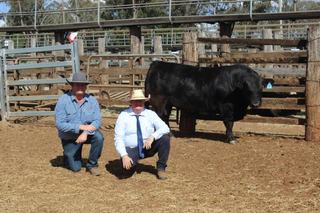
A former Ekka champion bull led a strong result at the 2026 invitational Jen-Daview Limousin and Angus sale at the Coolabunia saleyards...
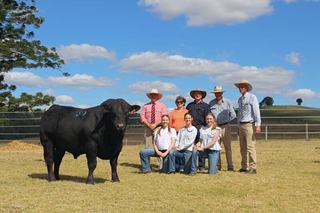
A commercial producer has paid the top price for the second year running at the 2026 Limousin Genetics bull sale, where southern buyers had...
A commercial producer secured the top-priced bull for the second year running at the 2026 Limousin Genetics bull sale, a 10th annual...
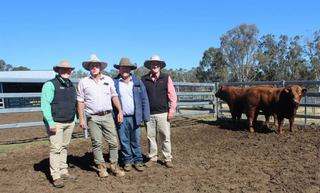
Red Limousin bulls were the most highly favoured by the geographically diverse buyers at the Benjarra Limousin sale at Ellangowan, near...
Red Limousin bulls were the standout at the Benjarra Limousin sale at Ellangowan, near Clifton, on August 13, drawing geographically...
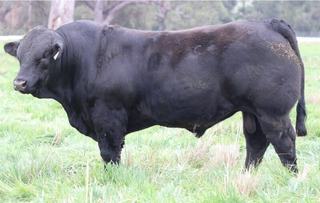
Loyal clients showed their support at the annual multi-vendor Northern Limousin Breeders Sale at the Scone Selling Complex on August 7...
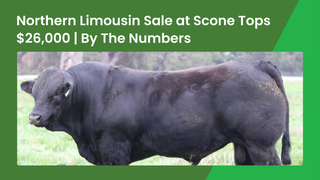
Loyal, return buyers underpinned the annual multi-vendor Northern Limousin Breeders Sale at the Scone Selling Complex, which reached a top...

The Gommers family set an equal stud record price for an Angus bull at their Mandayen sale at Keith on Wednesday, attracting attention from...

Another successful combined agents weaner sale at Boyanup last week had vendors and agents smiling alike, with one vendor saying a pen of...
Why Limousin Cattle Are Called the Butcher's Animal
French Origins and Establishment in Australia
The Limousin breed traces back centuries to the granite hills and harsh winters of France's Massif Central. Bred for physical endurance and muscular development, these cattle were originally used to pull ploughs and haul timber before being refined for beef production in the twentieth century. The first Limousin semen arrived in Australia in 1972, and the breed quickly attracted the attention of commercial producers looking for a line that could improve carcase value to their herds.
The Australian Limousin Breeders Society (ALBS) was established to oversee the national herd book and maintain breed standards. Today, it remains the peak body for Limousin genetics in Australia, managing registrations and supporting breeders with performance data.
Colour Variants: Gold, Red and Black Limousin Cattle
Australian Limousins are most commonly recognised by their distinctive golden/apricot coats, though red and black Limousin cattle have become increasingly popular recently. Black Limousins specifically are sought after by feedlot operators and processors who prefer a uniform pen of dark coated cattle. Many leading studs now offer polled Limousin genetics across all colour variants, reducing the need for dehorning and improving animal welfare outcomes. Whether you hear them called Limousins or simply limo cattle, the breed is unmistakable in the yards.
Carcase Quality and Limousin Beef Performance
Dressing Percentages and the Meat to Bone Ratio
Limousin cattle regularly deliver amongst the highest dressing percentages in the Australian beef industry. Where many British breeds dress at 52% to 56%, Limousins routinely achieve between 58% and 63%. That difference translates to more saleable meat per kilogram of live weight, which is exactly why the breed is highly valued.
The high meat to bone ratio is another defining feature. Limousin carcase quality is characterised by fine-textured and lean meat. Research supported by Meat & Livestock Australia has consistently placed Limousin beef as one of the top performers for retail yield, presenting the breed as a strong choice for operations targeting premium domestic and export markets.
The Limousin Muscling Gene (F94L) Explained
One of the breed's most significant genetic advantages is the Limousin muscling gene, formally known as the F94L myostatin variant. Unlike the double muscling seen in some European breeds, the F94L variant increases retail meat yield by upwards of 8% without the associated calving difficulties or structural problems. It is a uniquely valuable trait in both purebred and crossbred programs. Producers can identify carriers through DNA testing, and plenty of studs now market their bulls with F94L status clearly stated.
How Limousin Beef Compares to Other Breeds
In a market dominated by Angus branded programs, Limousin cattle offer a compelling alternative for producers focused on yield instead of marbling alone. A Limousin vs Angus comparison on carcase data will show that on average, Limousin produces a leaner, higher yielding carcase, while Angus may carry more intramuscular fat. Many operators find the sweet spot by using Limousin bulls over Angus or Hereford cows, capturing the best of both worlds in the progeny.
Crossbreeding Programs and the Limousin Grading Up Pathway
Why Producers Use Limousin Bulls Over British Breeds
Limousin bulls are widely used as terminal sires in crossbreeding programs due to their progeny consistently boasting superior muscling and feed efficiency. When joined to British breed cows, the resulting calves inherit the Limousin's carcase advantages, and retaining the maternal traits of the dam breed at the same time. This approach allows producers to lift their average carcase weight and dressing percentage without overhauling the entire herd.
Hereford Limousin Cross and Angus Limousin Cross Results
The Hereford Limousin cross has long been prevalent in southern Australia, producing moderately framed, easy doing cattle with excellent carcase shape. Similarly, the Angus Limousin cross merges the Angus' marbling potential with the Limousin's yield advantage, creating progeny capable of competing across multiple market specifications. BREEDPLAN Estimated Breeding Values (EBVs) make it straightforward to select Limousin sires whose traits complement a particular herd, whether the goal is to improve rib fat, eye muscle area, or retail beef yield.
Understanding the Grading Up Program
For producers who wish to build a purebred Limousin herd without purchasing expensive foundation females, the ALBS grading up program provides a defined pathway. Starting with crossbred cows, producers can use registered Limousin bulls over successive generations until the progeny reach purebred status. Each generation is recorded and assessed against breed standards, with BREEDPLAN Limousin EBVs tracking genetic progress throughout the process. It is a practical and cost effective entry point for operators considering a genetic shift.
Temperament, Calving Ease and Adaptability Across Australia
Modern Limousin Temperament and Docility Scoring
Limousin temperament was once a concern among Australian producers, but decades of intentional selection have transformed the breed. Modern Limousins are bred for docility, with many studs utilising formal docility scoring and BREEDPLAN temperament EBVs as part of their selection criteria. The result is a more manageable animal that works well in both extensive pastoral systems and intensive feedlot environments.
Easy Calving Limousin Bulls and What the EBVs Show
One of the breed's most practical advantages is calving ease. Limousin calves are typically born at low birth weights relative to their growth potential, which reduces the risk of dystocia when Limousin bulls are used over heifers or smaller framed cows. Easy calving Limousin bulls are especially critical in operations where labour is limited and cows calve unassisted on large paddocks. BREEDPLAN EBVs for birth weight and calving ease enable producers to select sires with confidence, matching genetics to their requirements.
Performance From the Top End to Tasmania
Limousin cattle have proven their adaptability across every major beef producing region in Australia. Their feed efficiency and foraging ability equates to strong performance in low input pastoral systems. Meanwhile, in higher input feedlot programs, their muscling and growth rates deliver great results. Whether running on native pasture in Queensland or improved ryegrass in Victoria, the breed reliably converts feed into lean beef with minimal waste. That versatility, combined with their heat and cold tolerance, explains why Limousins remain a firm fixture in the Australian herd.
Where to Buy Quality Limousin Cattle in Australia
Leading Australian Limousin Studs
Australia is home to several well established Limousin studs with decades of proven genetic performance. Mandayen Limousin, based at Murray Bridge and Keith in South Australia, runs the country's largest Limousin breeding herd and produces polled bulls in apricot, red, and black. Maryvale Limousin in South Australia focuses on combining Limousin and Angus genetics to maximise growth and carcase traits. Summit Limousin and Talana Limousin are also respected operations contributing strong genetics. In Western Australia, Unison Limousins at Boyanup has over 27 years of breeding experience and a track record of producing award winning bulls for the feedlot market.
All of these studs can be found on Farmbuy, where buyers can browse current listings, compare genetics, and connect directly with breeders.
Upcoming Bull Sales and Events (2025–2026)
The Australian Limousin sale calendar usually peaks in late summer and early autumn. The Le Martres Annual Bull Sale is scheduled for 27 February 2026, offering 35 mature and yearling bulls. Mandayen's annual sale is traditionally held in February at the Eight Mile complex in Keith, South Australia, featuring a large draft of bulls and females. The Sydney Royal Easter Show is a major venue for purebred Limousin steer competition, with the 2026 events expected to showcase the breed's carcase qualities.
What to Look for When Selecting Limousin Genetics
When purchasing a Limousin bull, start with the BREEDPLAN EBVs. Key traits to evaluate include: birth weight (for calving ease), 200 day and 400 day growth, eye muscle area, rib fat, and retail beef yield. Docility EBVs are worth checking as well, especially if the bull will be working in a hands-on environment. Ask the breeder about F94L status, structural soundness, and any fertility testing results. A well selected Limousin sire should add carcase value to your calf crop without causing calving problems.
Choosing Limousin Cattle for Your Australian Operation
Limousin cattle offer a rare fusion of carcase excellence, crossbreeding versatility, calving ease, and proven adaptability to Australian conditions. Whether you are a commercial producer looking to lift your carcase weights or a seedstock breeder building a purebred herd through the grading up pathway, the breed delivers measurable returns at every stage of the supply chain.
Frequently Asked Questions About Limousin in Australia
What are Limousin cattle best known for?
Limousin cattle are best known for their exceptional meat yield, high dressing percentages (58% to 63%), and the F94L muscling gene, which can increase retail beef yield by up to 8%. They are often called the butcher's animal because of their superior carcase quality.
Are Limousin cattle good for crossbreeding in Australia?
Yes. Limousin bulls are widely used as terminal sires over British breed cows. The resulting progeny inherit the Limousin's muscling and yield advantages while retaining the maternal strengths of the dam breed. The Hereford Limousin cross and Angus Limousin cross are both well proven in Australian conditions.
What is the Limousin muscling gene (F94L)?
The F94L variant is a naturally occurring myostatin mutation that increases muscling and retail meat yield without the calving difficulties associated with double muscling in other breeds. It can be identified through DNA testing.
Are Limousin cattle easy to handle?
Modern Australian Limousins are bred for docility. Many studs use formal temperament scoring and BREEDPLAN docility EBVs to select for calm, manageable animals.
What dressing percentage do Limousin cattle achieve?
Limousins routinely dress at 58% to 63%, which is significantly higher than the 52% to 56% typical of many British breeds. This higher Limousin dressing percentage translates directly into more saleable product per animal.
What is the difference between black and gold Limousin cattle?
The difference is coat colour. Black Limousins carry the same carcase and performance traits as gold or apricot Limousins. Black coated cattle are increasingly popular with feedlot operators and processors who prefer uniform pen appearance.
Where can I find Limousin bulls for sale in Australia?
Leading studs such as Mandayen Limousin, Maryvale Limousin, Summit Limousin, Talana Limousin and Unison Limousins list their stock on Farmbuy. The Farmbuy Limousin cattle category page is a good starting point for browsing available bulls and females.
What is the ALBS grading up program?
The Australian Limousin Breeders Society grading up program allows producers to build a purebred Limousin herd starting from crossbred cows. By using registered Limousin bulls over successive generations, progeny eventually qualify for full registration.
How do I use BREEDPLAN EBVs to select a Limousin bull?
Focus on the EBVs most relevant to your herd goals. For calving ease, look at birth weight EBVs. For carcase performance, compare eye muscle area, rib fat and retail beef yield. Docility EBVs are also important if temperament is a priority.
How does a Hereford Limousin cross perform?
The Hereford Limousin cross is well regarded in southern Australia for producing moderate framed, easy doing cattle with excellent carcase shape and strong dressing percentages. It combines the Hereford's hardiness with the Limousin's muscling advantage.
