













Understanding Government Auctions for Abandoned Farms


The prospect of owning rural land has captivated urban dwellers across Australia, with recent surveys indicating that more than 40% of city residents harbour aspirations of a tree change lifestyle. Government auctions for abandoned farms represent one of the most overlooked pathways to rural property ownership, offering opportunities that extend far beyond simple real estate transactions. This comprehensive guide examines the intricate process of acquiring abandoned farms through government channels, from initial discovery to final purchase, equipping prospective buyers with the essential knowledge needed to navigate this specialised market. As regional revitalisation becomes increasingly important to local councils and state governments, understanding how these auctions operate has never been more crucial for those seeking to transform forgotten agricultural land into thriving properties.
The Unique Appeal of Acquiring a Forgotten Property
The allure of abandoned farms extends well beyond their attractive price points, which typically sit 30-50% below conventional market values, creating genuine opportunities for buyers willing to embrace the challenge of restoration. These properties offer something increasingly rare in Australia's heated property market: substantial acreage at accessible entry prices, combined with the freedom to create something entirely personal without the constraints of existing structures or established farming operations. The tree change phenomenon has evolved from a retirement dream into a viable lifestyle choice for remote workers and young families, with abandoned homesteads and derelict farm houses providing the perfect canvas for those seeking to build their vision from the ground up. Investment-minded buyers recognise that whilst initial purchase prices may be low, the total investment including renovations can double or triple, yet still represent exceptional value when compared to turnkey rural properties. Whether searching for abandoned horse farms for sale or general agricultural land, these forgotten properties offer a unique pathway to rural ownership that combines financial opportunity with the satisfaction of bringing neglected land back to productive use. Through platforms like Farmbuy, prospective buyers can explore various types of these properties, from small hobby farms to extensive pastoral holdings, each presenting distinct possibilities for value creation and lifestyle transformation.
A Step by Step Guide to Finding Farm Auctions
Locating government farm land auctions requires a strategic approach that combines traditional search methods with specialised knowledge of how surplus property moves through official channels. Begin your search by exploring dedicated online portals using varied search terms such as "derelict farms," "run down farm," or "deceased estate rural," as different jurisdictions and sellers employ different terminology to describe these properties. Government websites at federal, state, and local levels maintain separate databases for surplus property sales, requiring systematic exploration of each tier. Start with your state's Department of Lands or equivalent agency, then investigate local council websites for properties acquired through rates defaults or planning initiatives. Setting up automated alerts across multiple platforms proves essential, as the most promising abandoned farms for sale often receive limited advertising and can appear and disappear from listings within days. Location-based searching becomes particularly important when targeting specific regions; even if you're based in Sydney or Melbourne, using local-intent modifiers in your searches helps narrow results to areas where you're genuinely interested in purchasing. The key to success lies in patience and persistence, as the perfect property may take months to appear, but those who maintain consistent monitoring across government channels, deceased estate auctions, and specialist rural property platforms like Farmbuy will ultimately discover opportunities others miss.

Key Eligibility and Buyer Requirements You Must Know
Understanding eligibility requirements for government property auctions proves fundamental to successful participation, as different levels of government impose varying criteria that can catch unprepared bidders off guard. Federal land sales typically maintain the broadest eligibility parameters, generally requiring only proof of Australian citizenship or permanent residency status, whilst state and local government auctions may impose additional conditions such as demonstrated agricultural experience or commitments to specific land use objectives. Most jurisdictions permit both individuals and registered businesses to bid, though corporate entities often face additional scrutiny regarding their ultimate beneficial ownership and intended use of the property. Financial standing requirements extend beyond simply having funds for the purchase price; authorities frequently demand evidence of sufficient capital to address immediate safety concerns, environmental remediation, or infrastructure restoration that may be mandated as conditions of sale. Age restrictions rarely apply directly, though financing institutions may impose their own criteria when lending for abandoned farm purchases, particularly for buyers under 25 or over 65 who may face additional hurdles in securing rural property loans. Bidder registration processes vary significantly between jurisdictions but universally require completion well before auction dates, with documentation requirements including proof of identity, deposit bonds or bank guarantees, and often statutory declarations regarding your understanding of the property's condition and any encumbrances.


Assessing the Property: What to Expect and Inspect
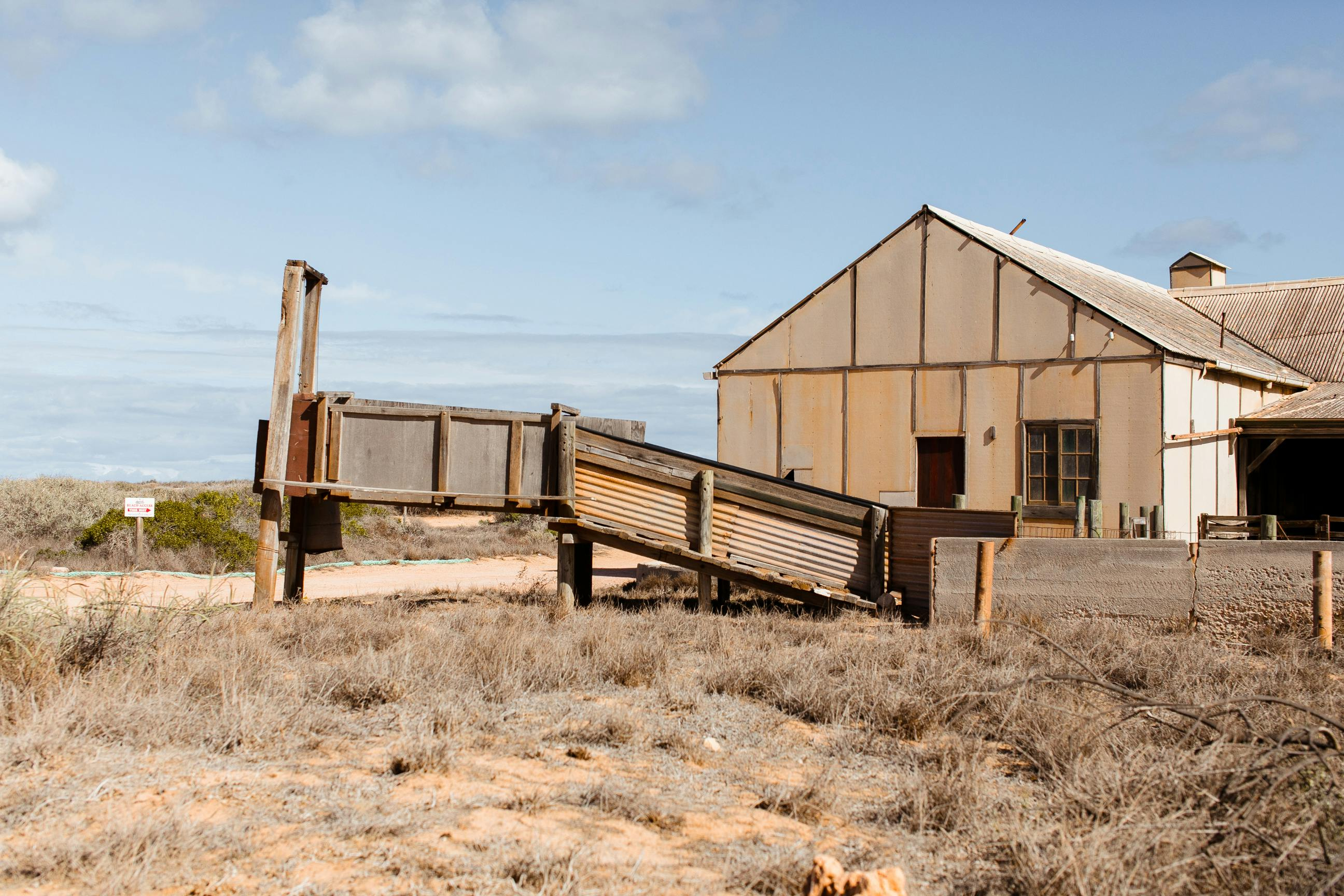
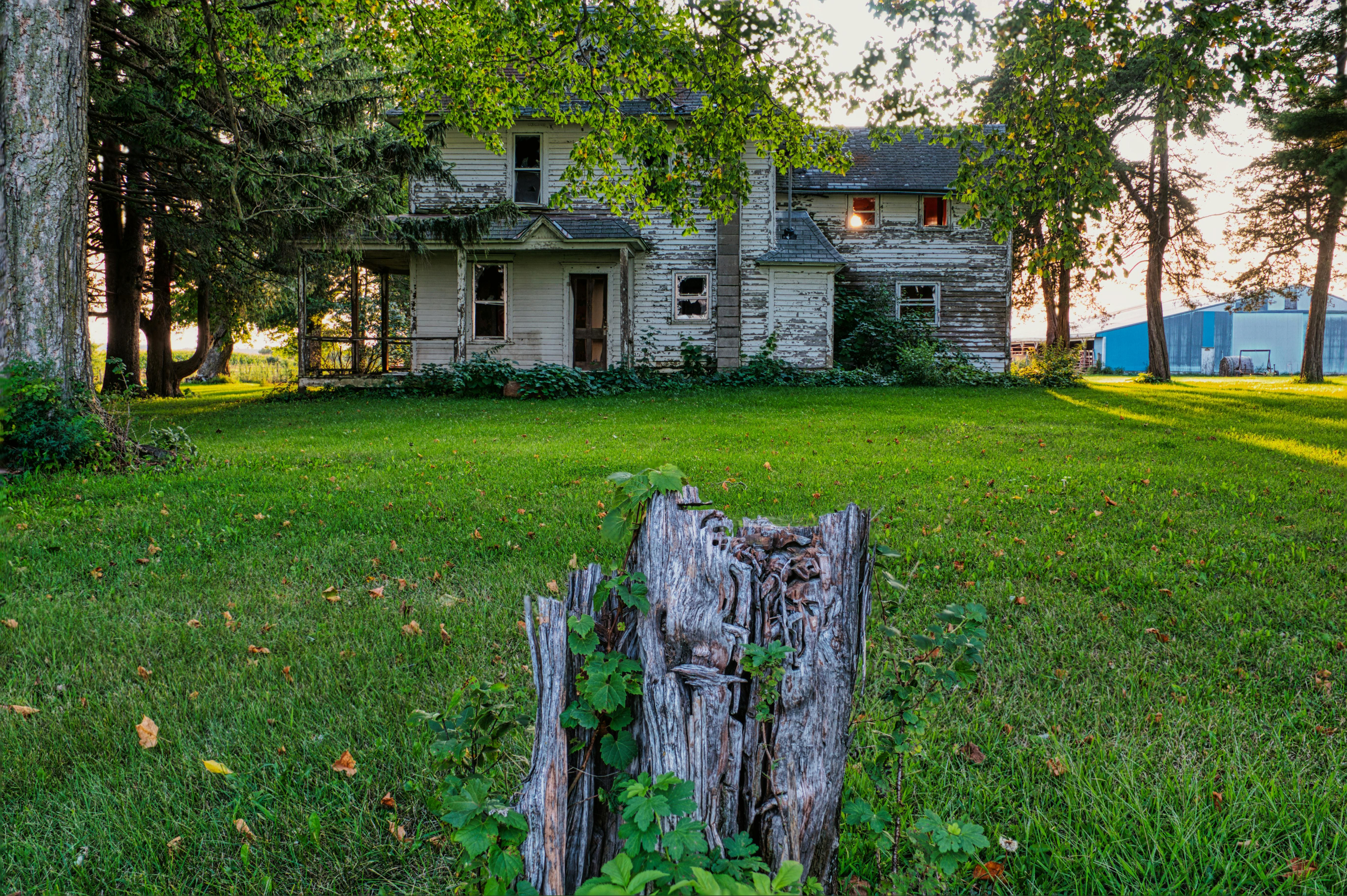
The reality of abandoned farm houses for sale often diverges dramatically from romanticised visions of rustic charm, with most properties requiring substantial investment to achieve basic habitability and functionality. Typical conditions include collapsed boundary fencing, overgrown paddocks harbouring invasive species, structures compromised by weather and neglect, absent or non-functional water infrastructure, and electrical systems that haven't seen maintenance in decades. All is sold strictly "as-is" with no recourse for discovered defects post-purchase. Essential pre-purchase inspections must encompass comprehensive pest and building reports focusing particularly on termite damage and structural integrity, professional asbestos assessments given the prevalence of this material in older rural buildings, boundary surveys to confirm actual versus advertised acreage, and detailed investigations into water rights, easements, and any environmental protection orders affecting the land. Wherever possible, physical inspection remains invaluable, allowing you to assess factors that reports cannot capture: the general feel of the land, drainage patterns during wet weather, proximity to essential services, and the true extent of work required to bring buildings up to habitable standards. Properties marketed as "disused farm for sale" often present better prospects than those labelled abandoned, as the former may have seen more recent occupation and therefore less degradation of essential infrastructure. Hidden costs frequently emerge during due diligence, from discovering that connecting electricity requires several kilometres of new lines to finding that proclaimed water rights have lapsed or that heritage listings restrict demolition of dangerous structures.

Navigating the Legal and Financial Maze
The distinction between foreclosed farms and repossessed farms carries significant implications for buyers, as foreclosed properties typically arrive at auction through mortgage defaults whilst repossessed farms may involve complex histories including rates arrears, deceased estates, or government resumption for unpaid taxes. Title searches become absolutely critical in these circumstances, potentially revealing liens, caveats, or easements that survive the sale and become the purchaser's responsibility. Professional legal advice proves invaluable here, as missing obscure encumbrances can result in unexpected financial obligations exceeding the purchase price. Securing finance for abandoned properties presents unique challenges, as most traditional lenders refuse to provide standard home loans for properties lacking basic amenities or requiring substantial repairs to achieve habitability, forcing buyers toward specialised rural lenders who understand the renovation trajectory but typically demand 40-50% deposits and charge premium interest rates. Beyond the hammer price, buyers must budget for numerous additional expenses including auction fees (typically 2-3% of purchase price), legal fees for conveyancing and due diligence ($3,000-$8,000), comprehensive surveys and reports ($2,000-$5,000), stamp duty calculated on purchase price, and potentially tens of thousands for immediate safety works mandated by local councils. Understanding zoning regulations proves equally crucial, as agricultural zoning may restrict residential development, limit subdivision possibilities, or impose minimum stocking rates that affect your intended use.

Final Thoughts on Your Farm Buying Journey
The journey from urban dweller to rural landholder through government auctions demands careful preparation, realistic expectations, and sufficient capital to transform abandoned farms into thriving properties that fulfil your vision. Your pre-auction checklist should encompass clearly defined objectives. Whether creating a working farm, lifestyle property, or investment opportunity, as this fundamental decision shapes every subsequent choice from property selection to renovation priorities. Securing financing pre-approval, even if only indicative given the unique nature of these properties, provides crucial confidence during bidding and demonstrates serious intent to selling authorities who may favour committed buyers over speculators. Thorough due diligence cannot be overstated in importance; every hour spent investigating before purchase saves days of problems afterward, particularly regarding legal complexities, environmental issues, and infrastructure requirements that define the true cost of your rural dream. Understanding total project costs, from purchase through to achieving your intended use, prevents the common trap of acquiring a bargain property only to discover renovation expenses exceed your capacity, leaving you with an unusable asset and depleted finances. Correct auction registration, including understanding specific terms and conditions that vary between government bodies, ensures smooth transaction completion and avoids the devastating possibility of losing your deposit through procedural failures. The rewards of successfully navigating this process, transforming forgotten agricultural land into productive, beautiful propertiesoften justify the effort required, with many buyers reporting deep satisfaction from their journey of rural restoration.
Why do governments auction off abandoned farm land?
Governments typically acquire abandoned farms through rates defaults, deceased estates without heirs, or environmental rehabilitation programs. Rather than maintaining these properties indefinitely at public expense, councils and state authorities auction them to recover costs and return land to productive use, benefiting local communities through increased economic activity and preventing further degradation of rural assets.
What's the difference between a repossessed and a foreclosed farm?
Foreclosed farms result from mortgage defaults where banks force sale to recover loans, whilst repossessed farms involve government seizure for unpaid rates, taxes, or through resumption powers. The key distinction lies in the selling entity and potential complications—foreclosed properties generally have cleaner titles, whilst repossessed farms may carry additional government-imposed conditions or restrictions.
Can I get a standard home loan to buy an abandoned farm?
Standard home loans rarely apply to abandoned farms lacking basic amenities or requiring substantial repairs. Most buyers need specialised rural finance, private lending, or cash purchases, as traditional banks consider these properties too risky until they achieve basic habitability standards including functioning septic systems, potable water, and safe electrical connections.
Are there special loans or grants for buying rural government land?
Some states offer rural development grants or concessional loans for buyers committed to agricultural production or regional revitalisation. Programs vary significantly between jurisdictions and often require detailed business plans, demonstrated agricultural experience, or commitments to specific land uses, making early investigation of available support crucial to purchase planning.
What are the most common hidden costs to look out for?
Beyond obvious renovation expenses, hidden costs frequently include asbestos removal ($10,000-$50,000), new septic systems ($15,000-$30,000), boundary fence replacement ($20,000+), electrical infrastructure upgrades ($25,000+), and road access improvements. Environmental remediation, clearing invasive species, and meeting council compliance orders can add substantial unexpected expenses.
How does the bidding process at a government auction typically work?
Government auctions usually require pre-registration with deposit bonds, followed by competitive bidding either in-person or online. Winning bidders typically pay 10% deposits immediately, with settlement periods varying from 30-90 days depending on jurisdiction. Unlike private auctions, government sales rarely permit pre-auction negotiations or conditional offers.
Do I need a lawyer to buy property at a government auction?
Whilst not legally mandatory, engaging a lawyer experienced in rural conveyancing proves invaluable given the complexity of government sales. Legal expertise helps identify title issues, interpret sale conditions, negotiate settlement terms, and ensure compliance with various statutory requirements that could otherwise invalidate purchases or create future problems.
What happens if I am the winning bidder? What are the next steps?
Winning bidders immediately pay required deposits (typically 10%), then have specified periods to complete due diligence, arrange finance, and prepare for settlement. During this time, finalising insurance, organising pre-settlement inspections, and preparing for immediate post-purchase works becomes crucial, as abandoned properties often require urgent attention to prevent further deterioration.
Are there restrictions on what I can do with land bought from a government sale?
Many government sales include specific conditions or covenants restricting land use, subdivision potential, or development rights. Agricultural zoning may prohibit certain residential developments, whilst environmental overlays could restrict clearing or earthworks. Understanding these restrictions before bidding prevents costly mistakes and ensures properties suit intended purposes.
Is it cheaper to buy raw land or a property with a derelict house?
Raw land often appears cheaper initially but may require expensive infrastructure installation from scratch. Derelict houses, whilst needing substantial renovation, typically include existing connections to services, established access roads, and some usable infrastructure. Through platforms like Farmbuy, buyers can compare both options to determine which best suits their budget and capabilities.
