















Restoring an Abandoned Farmhouse: Essential Steps for Owners


Restoring an Abandoned Farmhouse: Essential Steps for Owners
The Australian countryside holds an undeniable allure for those seeking a tree change, with an increasing number of urban dwellers trading city stress for the tranquillity of rural lifestyle. Restoring an abandoned farmhouse represents more than a renovation project; it's a journey towards creating a unique country residence steeped in history and character. However, this ambitious undertaking demands careful planning, substantial investment, and a realistic understanding of the challenges ahead. This comprehensive guide walks you through the essential stages of renovating an old farmhouse, from initial assessment through to final restoration, ensuring you're equipped with the knowledge needed to transform a derelict rural home into your dream property. Whether you're browsing abandoned farms through Farmbuy or have already identified your ideal project, understanding these critical steps will help you navigate the restoration process with confidence and avoid costly surprises along the way.
The Dream vs The Reality: Key Considerations Before You Buy
Before committing to any purchase, thorough due diligence separates successful restoration projects from financial disasters. This pre-purchase phase represents the most crucial step when restoring an abandoned farmhouse, as it reveals the true condition and viability of your prospective property. Heritage property specialist James Patterson emphasises that "most restoration budget blowouts stem from inadequate initial assessments. What you don't inspect, you can't budget for." A comprehensive evaluation examines not merely the building itself but encompasses land conditions, legal obligations, and zoning regulations that could significantly impact your project scope. Farm houses that appear charming from a distance may harbour serious structural deficiencies, whilst seemingly minor issues like water damage can indicate extensive hidden problems. Engaging qualified professionals for pre-purchase inspections provides invaluable insights into foundation stability, roof integrity, and potential hazardous materials. Additionally, understanding local government requirements early prevents mid-project complications that could halt work or require expensive modifications. When evaluating abandoned farms, remember that the lowest purchase price rarely translates to the best value. A structurally sound property requiring cosmetic updates often proves more economical than a severely compromised structure needing extensive repairs. Farmbuy recommends consulting with building inspectors, structural engineers, and heritage consultants before finalising any purchase, ensuring you're fully informed about both the property's potential and its challenges.
A Step-by-Step Checklist for Your Initial Inspection
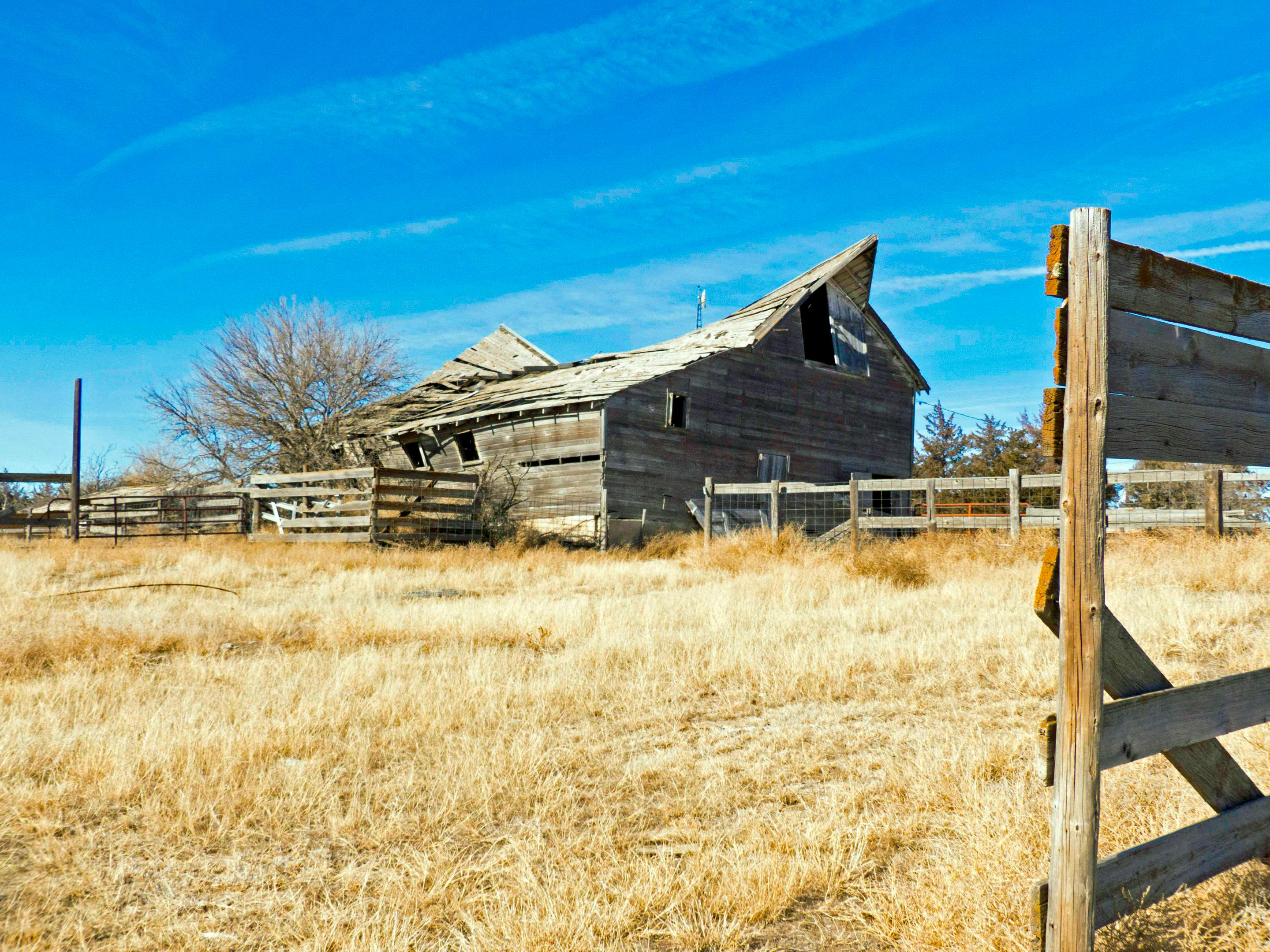
Your first walk-through of a derelict rural home should follow a systematic approach, examining critical areas that indicate the property's overall condition and restoration requirements. Begin by assessing structural soundness, look for major foundation cracks, sagging rooflines, and unstable walls that signal serious integrity issues requiring immediate attention. Water damage and rot represent common yet devastating problems in neglected properties, so inspect timber frames, floors, and window sills carefully for signs of moisture intrusion, mould growth, and wood deterioration.
Evidence of pest and vermin infestation, including termite damage, rodent nests, or insect activity, must be documented and assessed by specialists, as these issues can compromise structural elements and require extensive remediation. Be vigilant about potential hazardous materials commonly found in older buildings, particularly asbestos in roofing or insulation, and lead paint on interior and exterior surfaces. Professional testing and removal by licensed contractors is essential for safety.
Finally, evaluate practical considerations including property access, land drainage patterns, and the condition of any outbuildings or auxiliary structures that may require attention. This initial inspection checklist provides the foundation for accurate cost estimates and helps prioritise repairs, ensuring you understand the full scope of work before committing to the project.
Understanding Local Council Requirements and Permits
Navigating local council requirements early in your planning process prevents costly delays and ensures your restoration complies with all relevant regulations. Each local government area maintains specific building codes, particularly for heritage properties where preservation requirements may restrict certain modifications or mandate traditional building methods. Zoning regulations determine permitted land uses, so verify that your chosen property is zoned for residential occupation. Some agricultural zones may limit dwelling types or require special approvals.
Heritage overlays, which protect historically significant buildings, can substantially impact renovation scope by requiring council approval for external changes, material specifications, and even colour schemes. "Understanding your council's heritage controls before you start work saves both time and money," advises planning consultant Rebecca Mills. "What seems like a simple window replacement can become a complex approval process if heritage protections apply."
Building permits, plumbing certificates, and septic system approvals represent the minimum documentation required for most restorations, whilst electrical work must meet current safety standards regardless of the building's age. Consultation with your local council's building and heritage departments should occur during the due diligence phase, providing clarity on permit requirements, approval timelines, and any restrictions that might affect your restoration vision or budget.


First Things First: Securing and Stabilising the Structure
Once ownership is secured, immediate attention must focus on structural integrity. Preventing further deterioration whilst making the building safe for ongoing work. These initial steps for restoring a dilapidated rural dwelling form the foundation of your entire project, literally and figuratively. Structural engineer David Thompson notes that "addressing the bones of the house first prevents the domino effect where one failing element causes progressive damage throughout the structure." Foundation problems, roof leaks, and unstable walls require urgent intervention to halt decay and protect your investment. This phase often appears daunting, as it involves significant expense without producing the aesthetic transformations that make restoration emotionally rewarding. However, attempting cosmetic improvements before securing structural soundness proves false economy. Beautiful finishes quickly deteriorate when underlying structural issues persist. Professional assessments guide this crucial stage, identifying which elements require immediate repair versus those that can await later phases. For dilapidated farms, this stabilisation work typically consumes 30-40% of the total restoration budget, though this investment ensures longevity and safety. Patience during this foundational phase pays dividends throughout the remaining restoration work, providing a stable platform for all subsequent improvements.
A Guide to Assessing and Repairing Foundations
Foundation repair in aged country dwellings demands professional assessment, as amateur diagnosis frequently misidentifies symptoms whilst missing underlying causes. Common foundation issues in old farmhouses include crumbling stone or brick, settlement cracks, and moisture damage that compromises load-bearing capacity. Minor problems like weathered mortar joints may require only repointing.
Removing deteriorated mortar and replacing it with appropriate lime-based compounds that match the original construction. More serious deficiencies necessitate underpinning techniques, where additional support is installed beneath existing foundations to stabilise and strengthen the structure. "The critical distinction between repointing and underpinning often determines whether a foundation repair costs $5,000 or $50,000," explains restoration contractor Michael Chen.
Modern cement mortars, whilst tempting for their strength and weather resistance, can actually damage heritage foundations by trapping moisture and creating inflexible joints that crack under natural building movement. Traditional lime mortar, though requiring specialist application, allows buildings to breathe and flex, preventing the moisture accumulation that causes stone and brick deterioration. Never attempt foundation repairs without expert consultation, as incorrect interventions can worsen problems and potentially compromise the entire structure's stability.

How to Fix a Damaged Roof and Walls
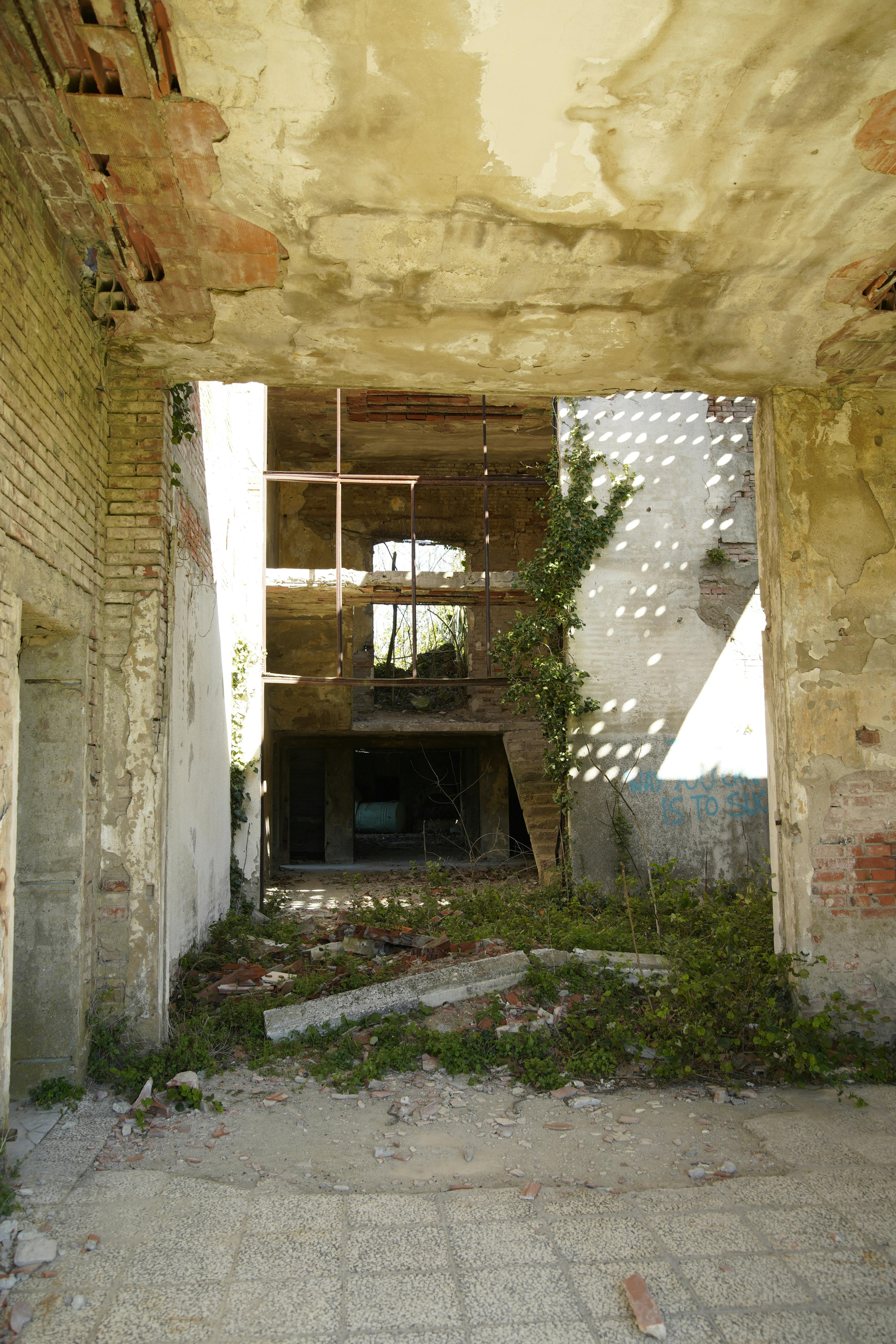
Establishing a watertight roof represents the single most important priority when stabilising any derelict structure, as continued water ingress accelerates deterioration of every building element below. Damaged flashing around chimneys and roof penetrations, broken or missing tiles, and rust in corrugated iron roofing all require immediate attention to prevent further water damage.
Roof repairs often reveal hidden problems like rotten decking or compromised roof timbers that must be addressed before new roofing materials can be installed. Unstable walls, whether from foundation movement, timber frame deterioration, or brick and stone degradation, need stabilisation through techniques including repointing lime mortar, reinforcing timber frames with steel brackets, or installing tie rods to pull separated walls back into alignment.
"A sound roof and stable walls create a protective envelope that allows you to work on interior systems without fighting ongoing water damage," notes heritage builder Sarah Mitchell. Priority should always favour stopping water entry and securing structural walls before addressing aesthetic concerns, as these fundamental repairs protect your investment and enable safer working conditions for subsequent restoration phases.


Powering Up Your Project: Connecting Essential Utilities
Connecting electricity to a remote country property or one that's been disconnected for years presents unique challenges requiring early planning and often substantial investment. Rural properties may require lengthy power line extensions from the nearest grid connection, potentially costing tens of thousands of dollars depending on distance and terrain.
Off-grid electricity systems using solar panels and battery storage have become increasingly viable alternatives, particularly for properties where grid connection proves prohibitively expensive or environmentally undesirable. Water supply options divide between connecting to town mains where available, establishing a private bore or well, or implementing comprehensive rainwater harvesting systems.
Each approach demands different infrastructure and ongoing maintenance considerations. Modern septic systems, essential for waste management in areas without reticulated sewerage, require percolation testing to ensure soil suitability and compliance with health department regulations. These utility considerations significantly impact both budget and property usability, making them critical elements in your restoration timeline and financial planning.
Modernising Plumbing and Electrical Systems
Complete overhaul of plumbing and electrical systems is typically non-negotiable in abandoned farmhouses, as outdated infrastructure fails to meet modern safety standards and functional requirements. Original galvanised pipes, common in properties built before 1960, corrode internally and restrict water flow, necessitating replacement with copper or PEX piping throughout the dwelling.
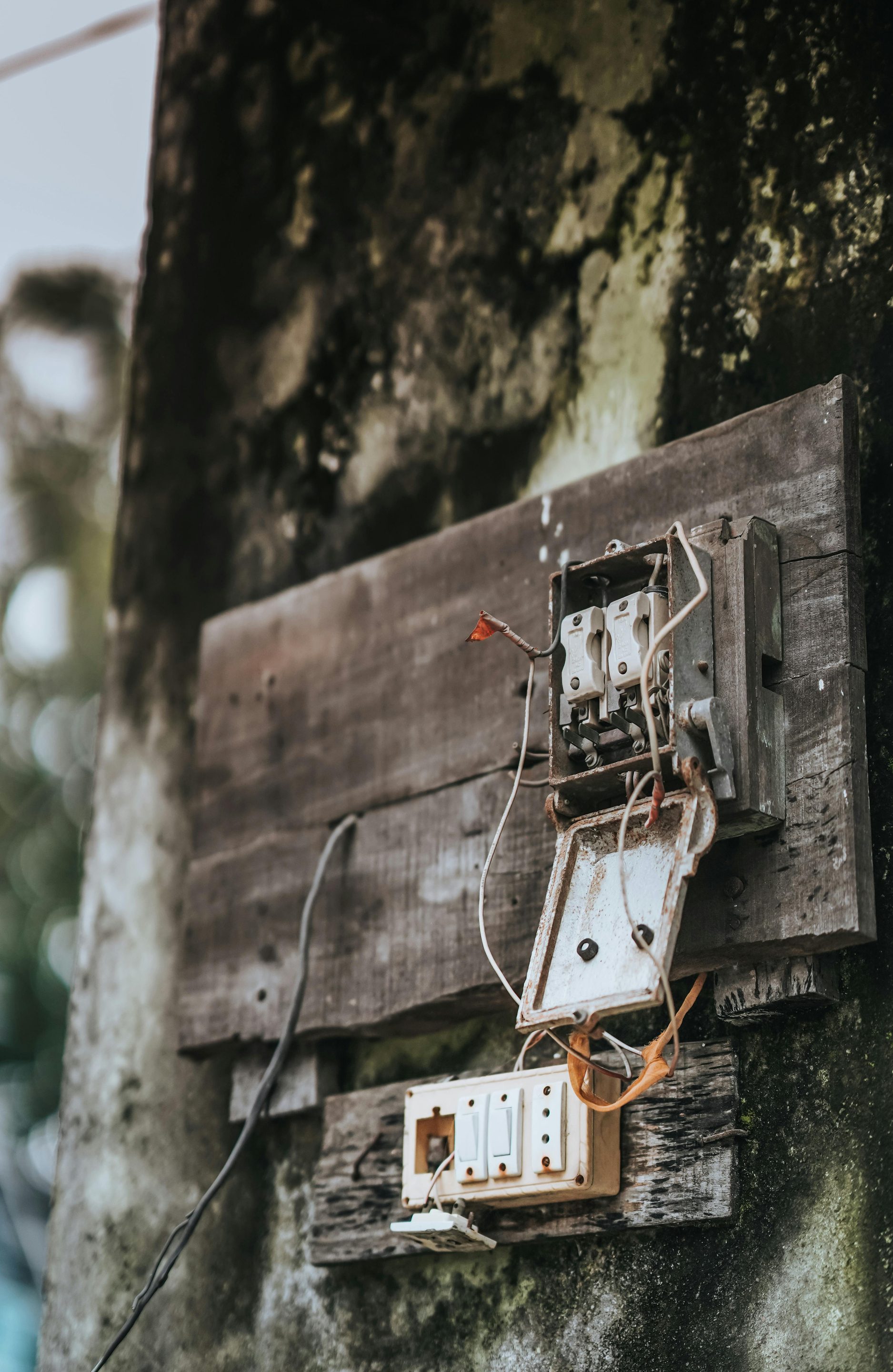
Electrical wiring in older homes often lacks adequate circuit capacity, proper earthing, and safety switches required by current codes, whilst deteriorated insulation on original wiring creates genuine fire hazards. "Rewiring costs typically range from $8,000 to $15,000 for a standard farmhouse, but it's an investment in safety and functionality that cannot be compromised," advises licensed electrician Tom Bradley. This phase offers an opportunity to plan thoughtfully for modern needs including adequate power points, efficient lighting, and infrastructure supporting sustainable technologies.
For off-grid homes, electrical systems require specialised design accommodating battery storage, inverters, and load management systems. Similarly, updating plumbing in an old dwelling allows incorporation of water-efficient fixtures, appropriate pipe sizing for adequate pressure, and strategic placement of hot water systems for maximum efficiency.
Water Supply and Septic System Essentials for Rural Living
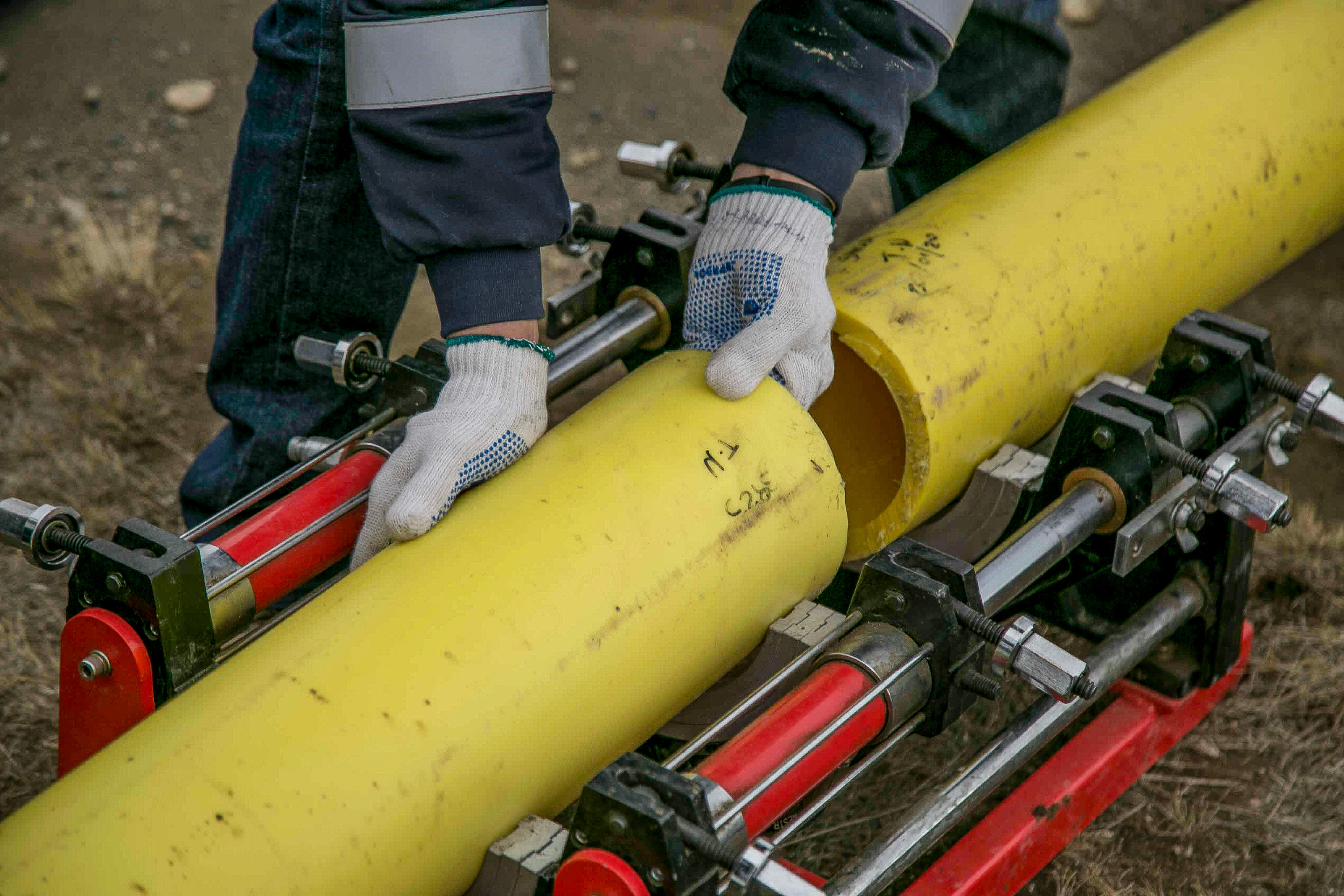
Establishing reliable water supply and effective waste management systems represents fundamental infrastructure that determines your property's liveability and compliance with health regulations. Information on septic system installation for a residential farm begins with percolation testing, which assesses soil drainage capacity and determines appropriate system sizing and placement.
Modern septic systems, considerably more sophisticated than older versions, incorporate separate treatment chambers and absorption trenches designed to process household waste safely whilst protecting groundwater quality. Installation costs typically range from $8,000 to $20,000 depending on site conditions, system capacity, and local requirements. Private well installation requires professional drilling to suitable aquifers, water quality testing, and appropriate pumping equipment. Bore water may need treatment systems if mineral content affects taste or causes plumbing damage. Well water testing for bacteria, nitrates, and chemical contaminants should occur regularly to ensure safety for drinking and cooking.
Rainwater harvesting systems, increasingly popular in rural Australia, provide excellent water quality when properly filtered and stored, though adequate roof catchment area and storage capacity are essential for year-round reliability. Many properties successfully combine multiple water sources. Town supply for reliability, rainwater for drinking quality, and bore water for irrigation, creating resilient systems that function effectively under varying conditions.


Bringing the Vision to Life: Sourcing Materials and Labour
Authentic restoration of heritage farm houses requires both skilled craftsmanship and appropriate materials that respect the building's original character whilst meeting contemporary performance standards. Finding tradespeople experienced in traditional construction methods presents one of the restoration's most challenging aspects, as modern building practices often differ substantially from techniques used in historical construction.
Heritage conservation contractors understand the importance of lime mortars over cement, sympathetic repair over wholesale replacement, and traditional joinery methods that maintain architectural integrity. "The difference between a sensitive restoration and a botched renovation often comes down to finding craftspeople who respect the building's heritage," observes conservation architect Emma Clarke. Reclaimed building materials not only provide authentic character but frequently offer superior quality compared to modern equivalents.
Aged hardwood timbers, hand-made bricks, and original windows all contribute to preservation of historical authenticity. Farmbuy connects restoration enthusiasts with networks of suppliers and specialists, facilitating access to both materials and expertise essential for quality outcomes.
Must-Know Tips for Finding Skilled Tradespeople
Locating and engaging specialists in heritage building repairs demands research, patience, and willingness to pay premium rates for expertise that significantly impacts your restoration's quality and longevity. Begin by contacting your state's heritage council or National Trust branch, which typically maintain directories of approved contractors experienced in conservation work.
Specialist heritage craftsmen including lime plasterers, traditional stonemasons, and timber framers often work across wide geographical areas, so expect to engage tradespeople from beyond your immediate locality. When interviewing potential contractors, request detailed portfolios of previous restoration projects similar to yours, and insist on speaking with past clients about workmanship quality, reliability, and adherence to budgets and timelines.
Professional memberships in organisations like the Australian Institute of Building Surveyors or Master Builders Association indicate commitment to standards, though heritage-specific experience remains the critical qualification. "Never select tradespeople based solely on price. In restoration work, you absolutely get what you pay for," cautions builder Robert Hughes. Detailed written quotes, comprehensive contracts specifying materials and methods, and agreed payment schedules protect both parties and ensure clear expectations throughout the project.


Where to Find Reclaimed Building Materials
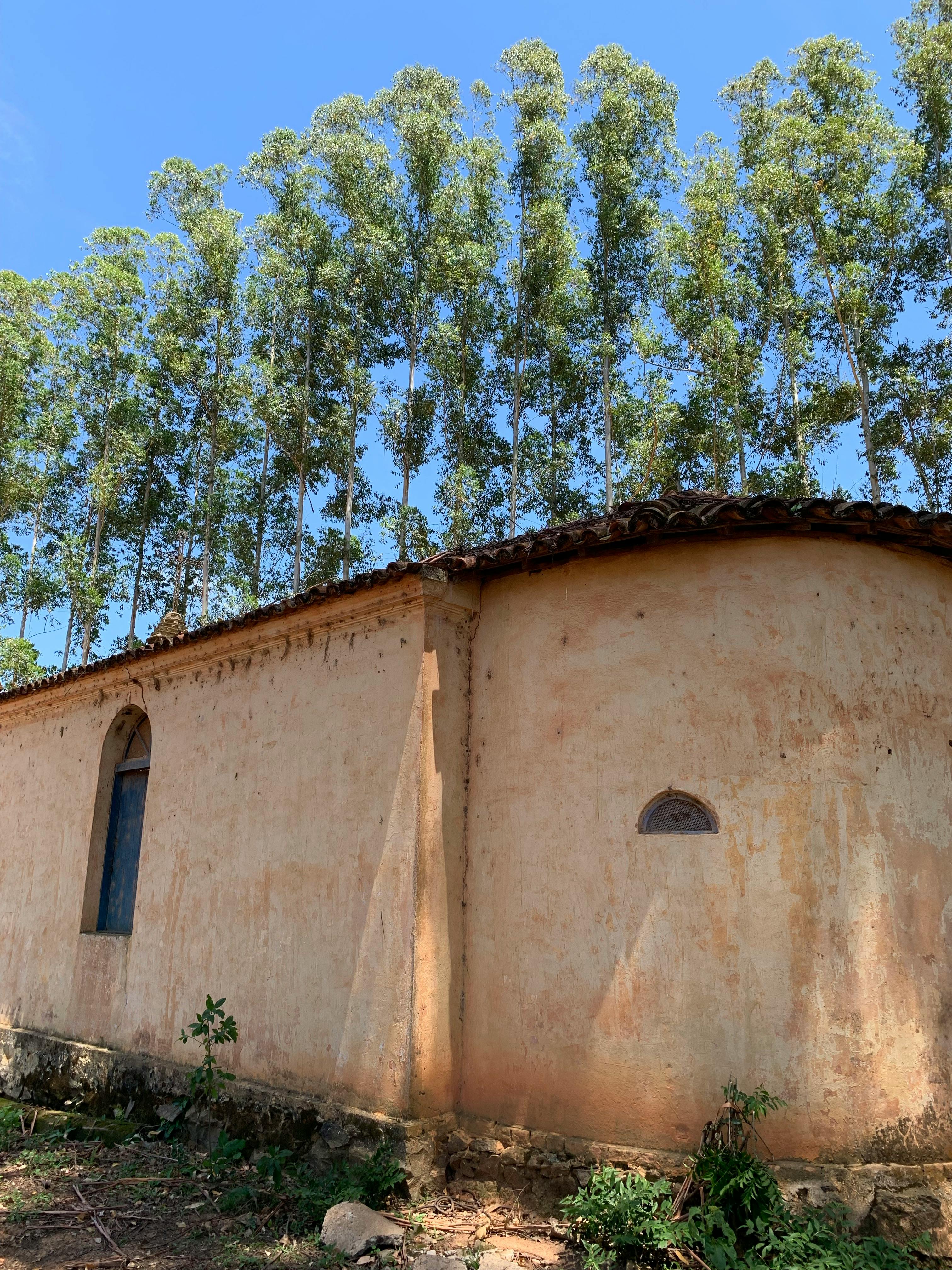
Architectural salvage yards scattered throughout regional Australia offer treasure troves of reclaimed wood beams, antique bricks, vintage doors and windows, and countless other salvaged building components perfect for authentic farmhouse restoration. These establishments recover materials from demolished buildings, offering architectural elements that may be impossible to source new whilst providing sustainable alternatives to virgin materials.
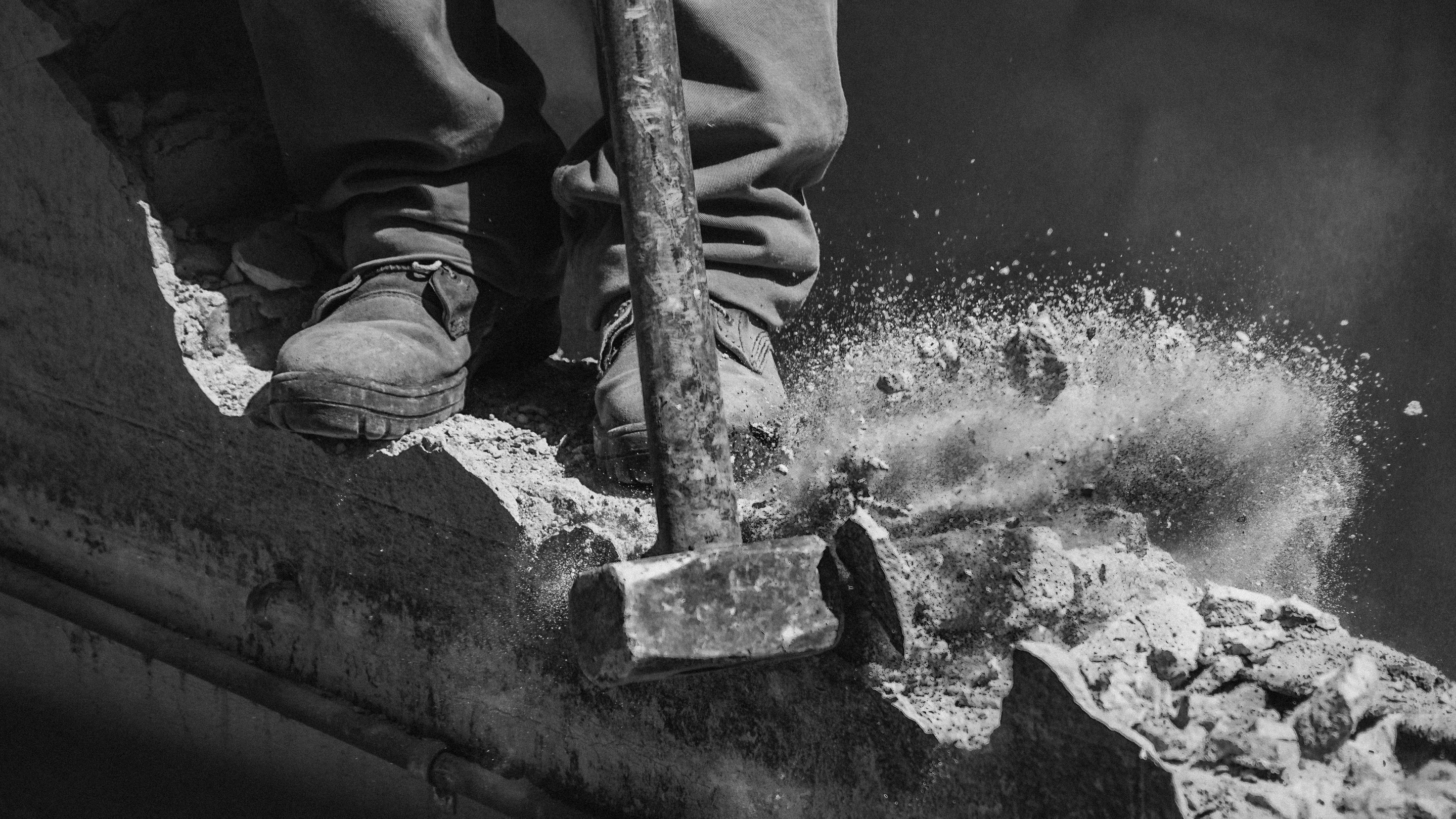
Online marketplaces including Gumtree, Facebook Marketplace, and specialist salvage websites expand access to reclaimed materials, though careful inspection before purchase remains essential to verify condition and suitability. Demolition sites, when approached with proper permissions and safety precautions, sometimes yield valuable materials at minimal cost.
Old timber flooring, roof tiles, and weatherboards can often be recovered and reused. "Quality reclaimed materials cost less than premium new equivalents whilst offering superior character and often better durability," notes restoration specialist Kate Morrison. The rich patina of aged timber, the irregular character of hand-made bricks, and the craftsmanship evident in original joinery all contribute irreplaceable authenticity that mass-produced modern materials cannot replicate. When sourcing reclaimed materials, allow extra time for finding suitable items and verify dimensions carefully, as historical building standards often differ from contemporary measurements.
Budgeting and Financing Your Restoration Project
Financial planning for farmhouse restoration requires meticulous attention to detail and realistic expectations about costs that frequently exceed initial estimates. The question of how much it costs to restore a neglected country home lacks a simple answer, as variables including building size, structural condition, heritage requirements, and finish quality create enormous cost ranges. Industry experts suggest budget estimates between $1,500 to $3,500 per square metre for comprehensive restoration, though properties requiring extensive structural repairs or located in remote areas often exceed these figures. Abandoned farms for sale through Farmbuy typically require investment of 150-200% of purchase price for complete restoration.
A $200,000 property might ultimately demand $300,000-$400,000 to achieve comfortable modern living standards whilst preserving heritage character. Financing these projects often combines personal savings, renovation mortgages specifically designed for properties requiring substantial improvement, and occasionally heritage grants for recognised historical buildings. "The biggest financial mistake in restoration is underestimating costs, build your budget conservatively and add generous contingency," advises financial planner Jennifer Walsh. Unlike conventional renovations where unexpected issues are occasional inconveniences, old building restoration virtually guarantees discoveries of hidden problems that require unplanned expenditure.
How to Accurately Estimate Restoration Costs
Developing detailed, realistic restoration budgets demands comprehensive understanding of all work categories and disciplined approach to cost estimation. Break your budget into major categories: structural repairs (foundations, framing, roofing), services (electrical, plumbing, septic, water supply), external works (weatherproofing, windows, doors), internal finishes (plastering, flooring, joinery), and fixtures and fittings. Request itemised quotes from multiple contractors for each trade, ensuring specifications clearly define materials, quality standards, and scope of work to enable accurate comparison. "A detailed cost breakdown reveals where money goes and helps prioritise spending when budgets tighten," explains quantity surveyor Mark Stevens.
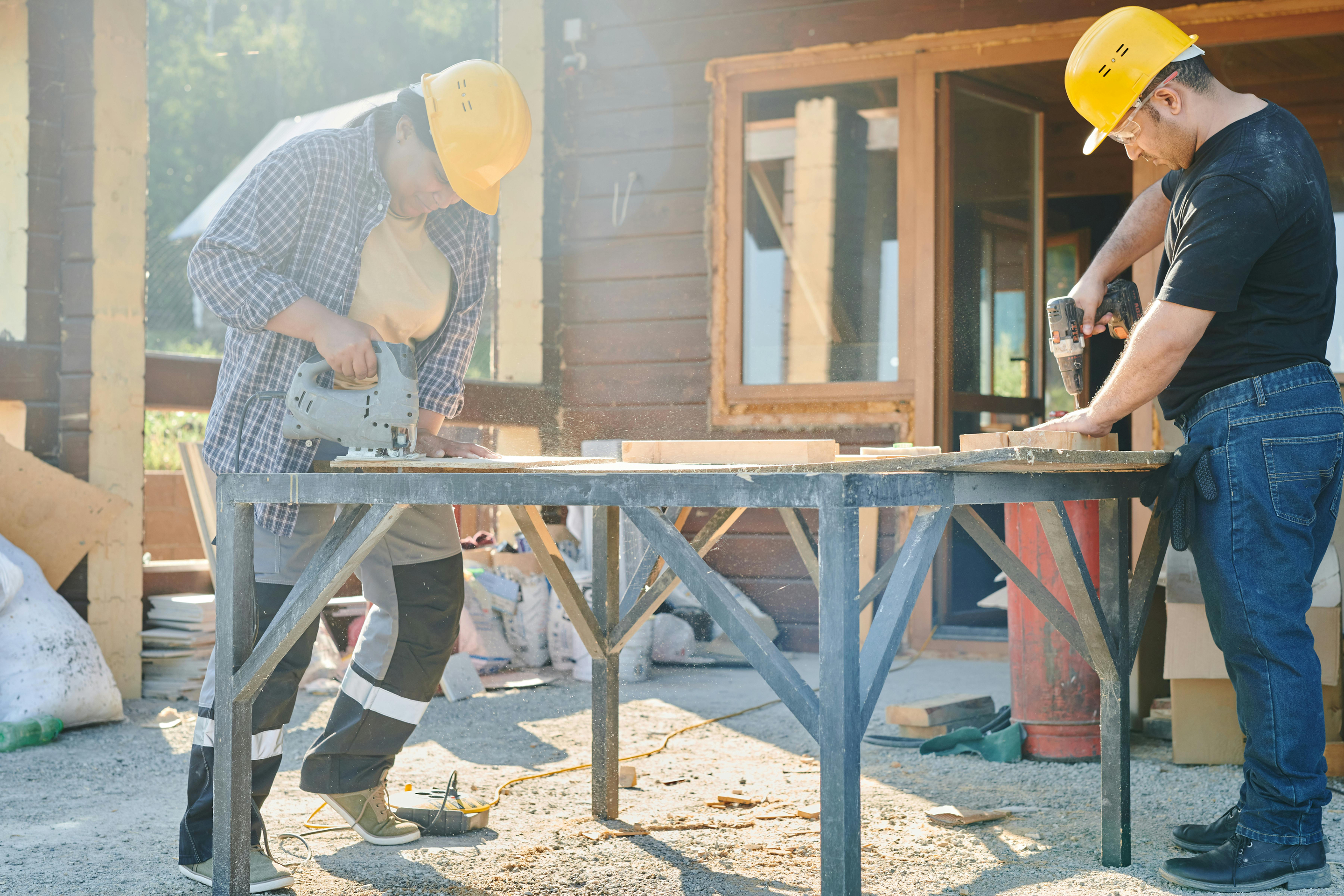
General contractor fees typically add 15-20% to direct costs but provide project management expertise that can prevent costly mistakes and coordination problems. Most critically, allocate 15-20% of your total budget as contingency for unforeseen issues. This buffer proves essential when structural assessments reveal problems, heritage approvals require expensive alterations, or material costs escalate. Document all estimates, track spending meticulously, and review budgets regularly throughout the project, adjusting contingency allocations as actual costs become clear. Tips for financing an old house renovation project include staging work across multiple years to spread costs, prioritising expenditure on structural and weather-sealing work over cosmetic improvements, and considering which elements might be tackled through DIY efforts versus requiring professional contractors.
Exploring Grants and Financing for Heritage Properties
Financial assistance through grants available for renovating historical rural dwellings can significantly offset restoration costs for properties meeting heritage significance criteria. State and federal heritage programs occasionally offer grants for conservation work on buildings with formal heritage listings or those demonstrating particular historical, architectural, or cultural importance.
Application processes typically require detailed documentation of the property's significance, comprehensive conservation plans prepared by qualified heritage consultants, and commitment to maintaining heritage values throughout restoration. While competitive and often modest in amount, these grants provide not only financial support but also expert guidance ensuring restoration respects historical integrity.
Renovation mortgages from banks and specialist lenders offer another financing avenue, providing construction loans that release funds progressively as work completes and property value increases. "Heritage property financing has improved considerably in recent years as lenders recognise restored country estates as sound investments," notes mortgage broker Lisa Thompson. Some financial institutions now offer products specifically designed for restoration projects, accounting for the staged nature of work and the property's limited value in its pre-restoration state. Research all available funding sources during your planning phase, as grant application and loan approval processes often require substantial lead times that should be factored into your project timeline.

Final Thoughts on Your Farmhouse Restoration Journey
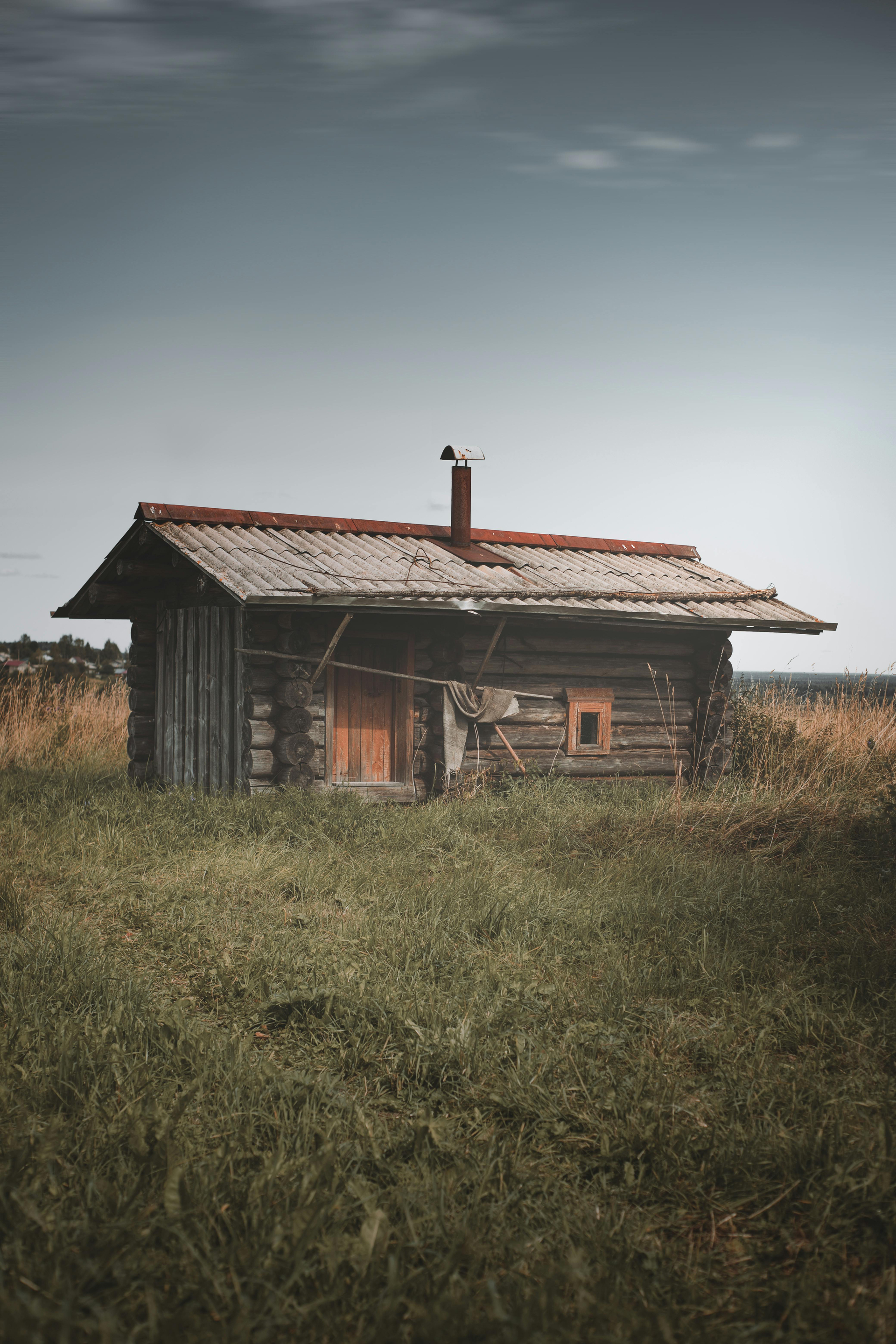
Restoring an abandoned farmhouse represents one of the most challenging yet profoundly rewarding projects you'll ever undertake, combining technical complexity with creative vision to transform neglected buildings into cherished homes. Success hinges on thorough planning, realistic budgeting, patient execution, and unwavering commitment to both structural integrity and heritage preservation. The journey from discovering abandoned farms through Farmbuy to holding keys to your completed restoration will test your resolve, deplete your finances, and occasionally leave you questioning your sanity—yet the end result offers satisfaction that few other achievements can match.
Your restored farmhouse becomes more than a dwelling; it's a tangible connection to Australia's rural heritage, a testament to craftsmanship and perseverance, and a unique family home with character that modern construction cannot replicate. Every restored timber beam, every repointed stone wall, and every carefully preserved architectural detail contributes to conserving our agricultural history for future generations. The knowledge, skills, and resilience you develop throughout the restoration process enriches your life far beyond the physical property, creating lasting appreciation for traditional craftsmanship and deeper understanding of sustainable building practices. Embrace this adventure with eyes wide open to the challenges ahead, but never lose sight of the remarkable transformation you're achieving. From derelict structure to dream home, from abandoned farm to thriving country residence.
What is the very first step I should take when considering an abandoned farmhouse?
Focus on a professional structural assessment before you buy to understand the true condition of the foundations, frame, and roof. This inspection reveals the extent of required repairs and prevents costly surprises after purchase.
How much of a contingency fund do I really need for a restoration?
Experts recommend at least 15-20% of your total budget to cover unforeseen issues like hidden rot, pest damage, or foundation problems. Old buildings virtually always present unexpected challenges that require additional expenditure beyond initial estimates.
Can I do most of the restoration work myself?
While DIY efforts can save money on cosmetic tasks like painting and landscaping, licensed professionals are legally required for electrical, plumbing, and major structural work. Attempting complex repairs without proper expertise often creates safety hazards and reduces property value.
Are there grants available to help with costs?
Yes, some state and federal grants exist for properties with recognised heritage significance. Check with your local council and heritage bodies about available programs, though applications typically require detailed documentation and conservation plans.
What's the biggest mistake people make?
Underestimating the total cost and timeline represents the most common error in farmhouse restoration. A thorough inspection, detailed planning, and generous contingency budget prove critical for successful project completion.
How do I deal with potential hazardous materials like asbestos?
Never handle or disturb suspected asbestos yourself. Always hire a licensed professional for testing and removal to ensure safety, as asbestos exposure causes serious health conditions including lung disease and cancer.
Is it better to restore original windows or replace them?
Restoring original timber windows is often preferred for preserving character and can be surprisingly energy-efficient when done correctly with proper draught-sealing and secondary glazing. Replacement should only occur when windows are irreparably damaged.
What are the essential utilities I need to plan for?
You'll need to plan for electricity (grid connection or off-grid solar), a reliable water source (town supply, bore, or rainwater tanks), and a modern septic system for waste management. These infrastructure elements require significant investment and early planning.
How do I find tradespeople who can work on old homes?
Look for "heritage" or "conservation" specialists through state heritage councils or National Trust directories. Ask for references and examples of their work on similar properties, as experience with traditional building methods proves essential for quality outcomes.
What is the best way to clear overgrown land around the property?
A phased approach works best—start by clearing access paths and areas immediately around buildings, then tackle dense brush systematically. For large areas or heavy vegetation, consider hiring professionals with appropriate machinery including mulchers and excavators.
