








Glenaire woman creates 'signature' beef with Bazadaise, Wagyu and Angus mix

A Glenaire woman has created a signature beef with a three-way cross of the Bazadaise, Wagyu and Angus cattle breeds.
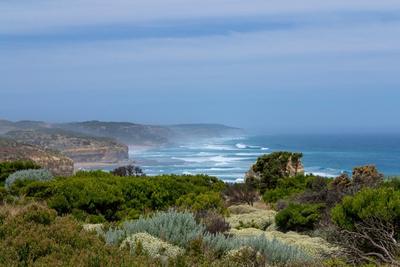
Ros Denney runs her Saint Aire Farm just a couple of hundred metres from the Bass Strait on sandy, limestone soils, and produces beef for her growing paddock-to-plate business.
Her experimental infusion of three cattle breeds - the lesser-known Bazadaise and the better-known Angus and Wagyu - found her a niche market with beef that has a little bit of everything.
A start with pedigree Bazadaise 11 years ago led her down a track she never expected.
The breed, first started in 1896, originates from a town called Bazas in France, and was originally a draught breed, used for pulling machinery.
Like many of the French breeds, such as the Limousin and Charolais, the breed is known for its tender and flavoursome beef.
While she started off breeding the Bazadaise as stud cattle, Ms Denney saw an opportunity to blend their genetics with the fat and other beef characteristics of the Wagyu and Angus.
"I was interested in infusing those genetics because of the beef quality," she said.
"I was finding that I had developed two types of grass-fed beef - Wagyu/Angus and Bazadaise/Angus.
"Everyone loved the flavour of the Bazadais/Angus and the attributes of that being from a French breed."

Ms Denney said in Australia, consumers went "googoo-gaga" for fat and they thought fat was flavour.
However, she said, ultimately, much of this fat was left on the side of the plate.
"For the last few years, what I've developed is a signature beef where I have Bazadaise/Angus dams with the Wagyu sire," she said.
"That gives me a really balanced beef which has all those attributes of the Bazadaise, and you've got the numbers in the Angus that you can breed from, and then you put the Wagyu over them.
"Ending up in the middle is actually a really nice thing, and I'm glad it's worked because it was a little bit of an experiment."
With her new experiment now in full swing, Ms Denney provides beef to local Apollo Bay restaurants and clients in Geelong and Melbourne.
She processes her cattle, with calves born in spring and autumn and finished between 20-36 months, through the Meat Crew at Colac.

Farming nowadays has become all about taking such risks, according to Ms Denney, who first found her way into agriculture through the help of like-minded women.
She said she bought her original Bazadaise from an "extraordinary" woman in Gippsland.
"Some of the women that I know in agriculture actually have an extraordinary insight into cattle," she said.
"Most of my learning has actually come through other female farmers."
Ms Denney said female farmers were excellent at sharing little tips and tricks, and she took every opportunity to attend female farming events.
"They're much better at communicating and sharing, and that is really good moving forward in agriculture," she said.
She said another niche of her business was the land on which her cattle were reared.
She said the Bass Strait sea breeze and sandy soils "absolutely" flavoured her beef.
The farm doesn't have paddocks full of commonly found rye-grass or clover, but instead, cattle graze on a mix of herbs, native grasses and all sorts of forage.
"I think that's actually reflected in the meat quality," she said.
She said more and more consumers were looking for a paddock-to-plate product, to know where their food came from.
"People definitely want to know, and you have to be transparent about your animal welfare," she said.
"High animal welfare actually contributes to better meat quality in the first place, so it's not just about that."
Ms Denney said consumers were less concerned about cattle genetics and more concerned about how the landscape was treated, the use of chemical inputs and what farmers were doing for biodiversity.
While her 125-hectare property had a limited carrying capacity, especially in the current dry time, she hoped to soon take advantage of upcoming local lease opportunities and expand her business over the coming years.
"It's not a really big farm so it was always going to be driven by something niche that was high quality with high value," she said.

