











Cheapest Farm Land for Sale Australia: 2026 State by State Price Guide

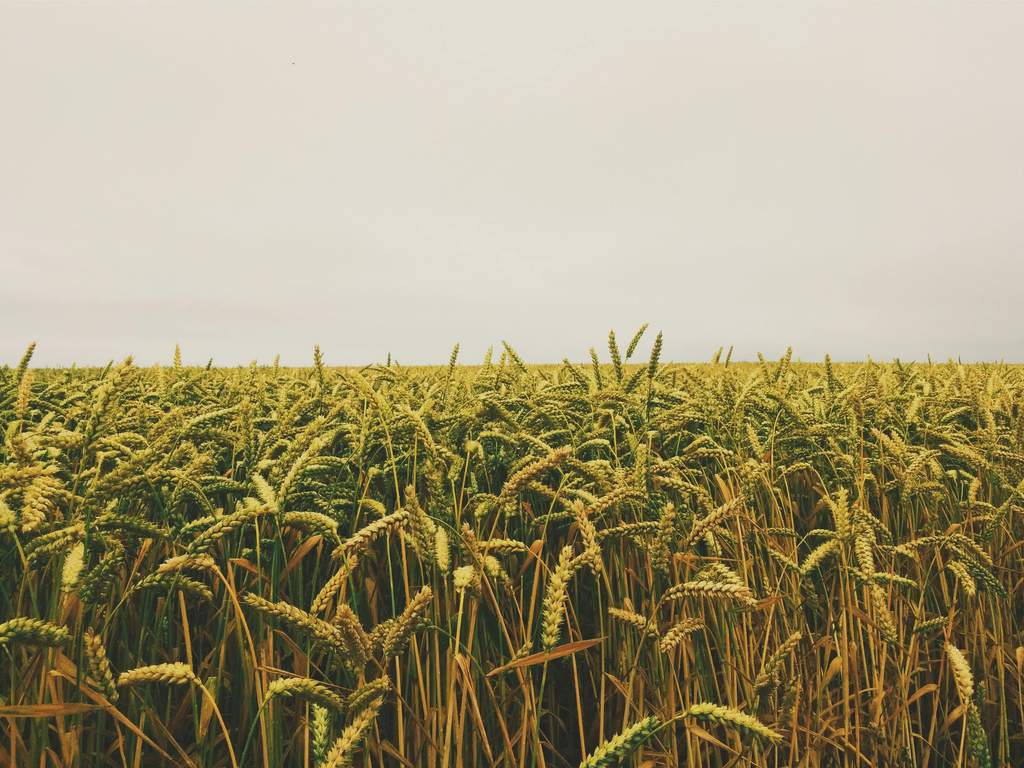
After several years of robust growth that saw median farmland values climb steadily across most regions, Australian rural property prices have entered a period of moderation. For prospective buyers who have watched from the sidelines, 2026 presents an opportune moment to secure a stake in the countryside.
The motivations driving this interest are as varied as the landscape itself. Some seek a genuine lifestyle change such as space, quiet, and distance from urban pressures. Others eye agricultural ventures, whether modest hobby farms or commercially viable niche operations. A growing cohort views farmland through an investment lens, attracted by historical stability and emerging revenue streams such as carbon credits. Whatever the impetus, finding the cheapest farm land for sale in Australia requires understanding where to look, what trade-offs to accept, and how to distinguish genuine opportunity from false economy. This guide delivers precisely that, a state-by-state breakdown of where affordable rural property remains accessible, what buyers can realistically achieve with budget-friendly acreage, and the critical considerations that separate successful purchases from costly mistakes. Platforms such as Farmbuy have made navigating this market considerably more straightforward, though informed buyers still benefit from thorough preparation.
Understanding What Makes Rural Land Affordable
Affordability in rural property markets reflects a balance of location, infrastructure, and land characteristics. Understanding these factors helps buyers identify where compromises align with their priorities rather than undermining them.
Location, Remoteness and Market Accessibility
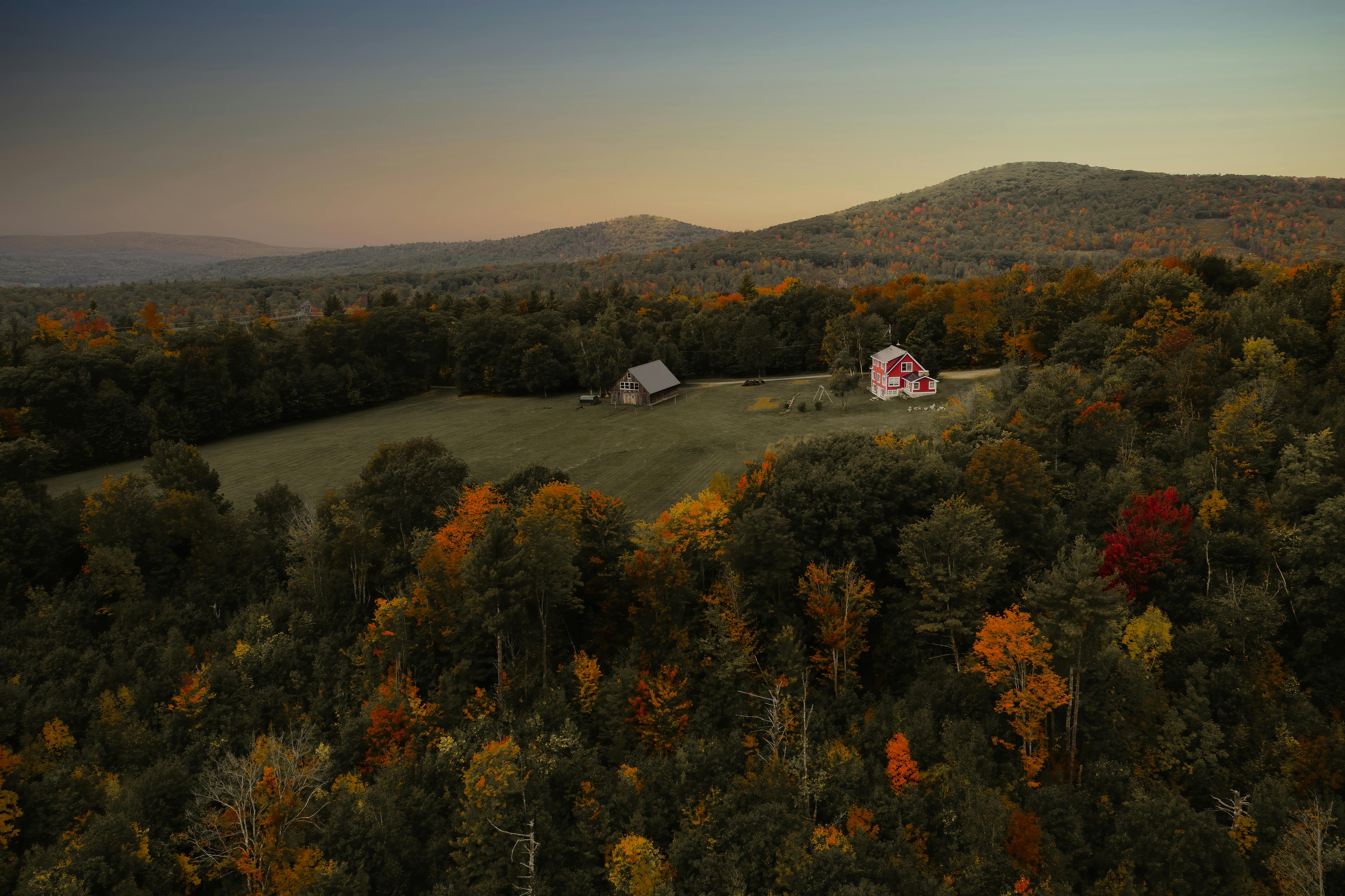
Distance from major metropolitan centres remains the primary determinant of land pricing. Properties situated several hours from Sydney, Melbourne, or Brisbane command substantially lower prices per hectare than those within commuting distance of regional cities. This relationship holds consistently across states, though the gradient varies. Buyers must weigh reduced purchase costs against practical considerations: travel times for supplies and services, market access for any produce, and the social implications of genuine remoteness.
Infrastructure, Services and Off-Grid Considerations
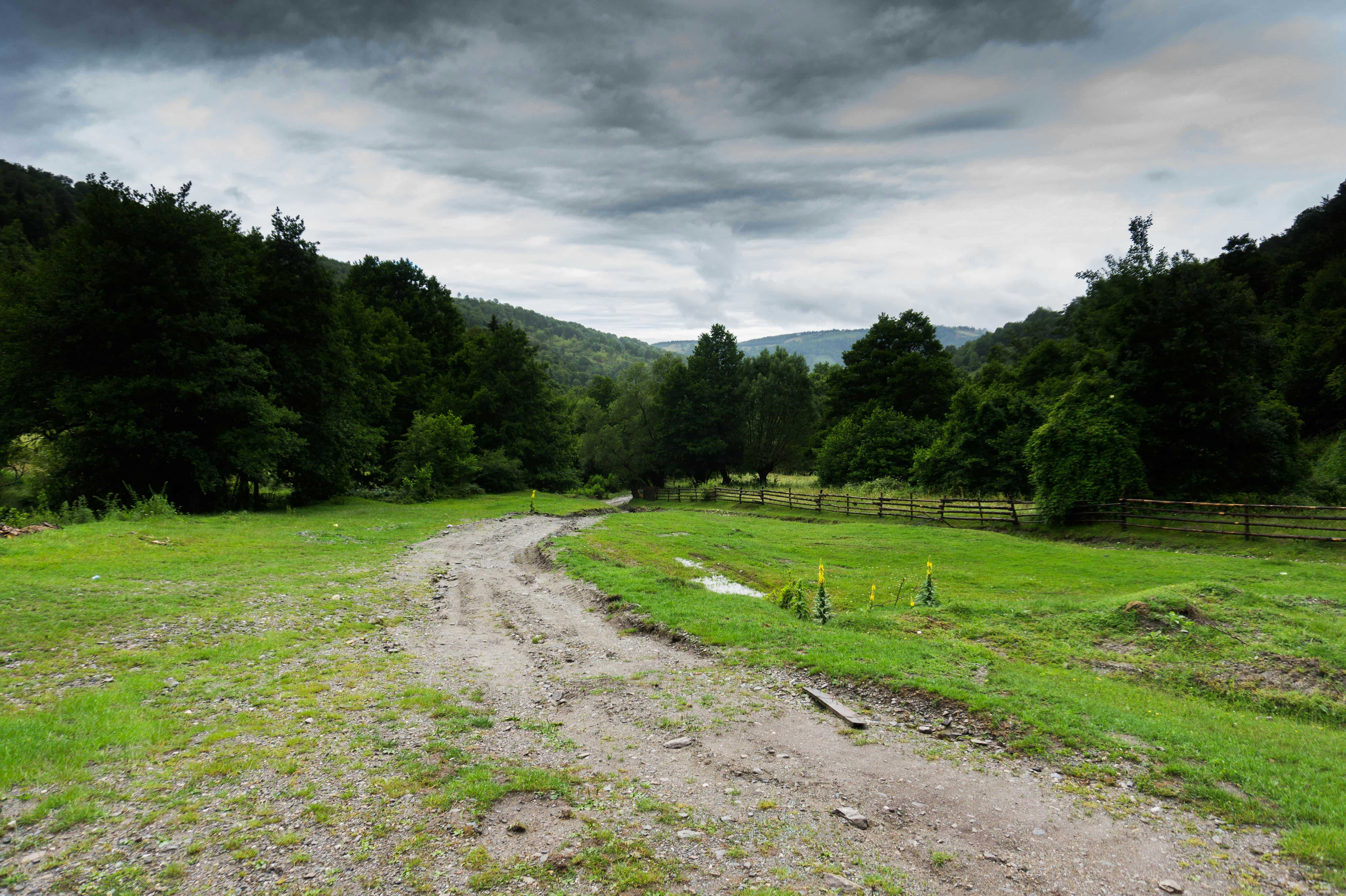
Affordable rural properties frequently differ from premium offerings in their infrastructure profile. Prospective buyers should anticipate variations across several dimensions: town water connections versus reliance on tanks, dams, or bore water; grid-connected electricity versus properties requiring off-grid solar installations; sealed road access versus unsealed tracks that may become challenging in wet conditions; and internet connectivity ranging from fibre to limited satellite options. These represent trade-offs rather than deficiencies. Many buyers actively prefer the independence of off-grid systems, but they demand honest assessment against individual requirements.


Land Quality, Topography and Zoning
Soil composition, existing water allocations, topographical challenges, and council zoning classifications all influence valuations. Agricultural zoning typically supports farming activities whilst potentially restricting residential development or subdivision. Challenging terrain such as: steep gradients, flood-prone areas, or heavily timbered blocks requiring clearing. This generally reduces prices but increases development complexity. Buyers seeking the cheapest rural land should understand that these characteristics explain the pricing rather than representing oversights by sellers.
Top Uses for Your Budget Friendly Acreage
Inexpensive land opens possibilities extending well beyond traditional broadacre farming. The key lies in matching property characteristics to realistic objectives.
Starting a Hobby Farm or Lifestyle Block
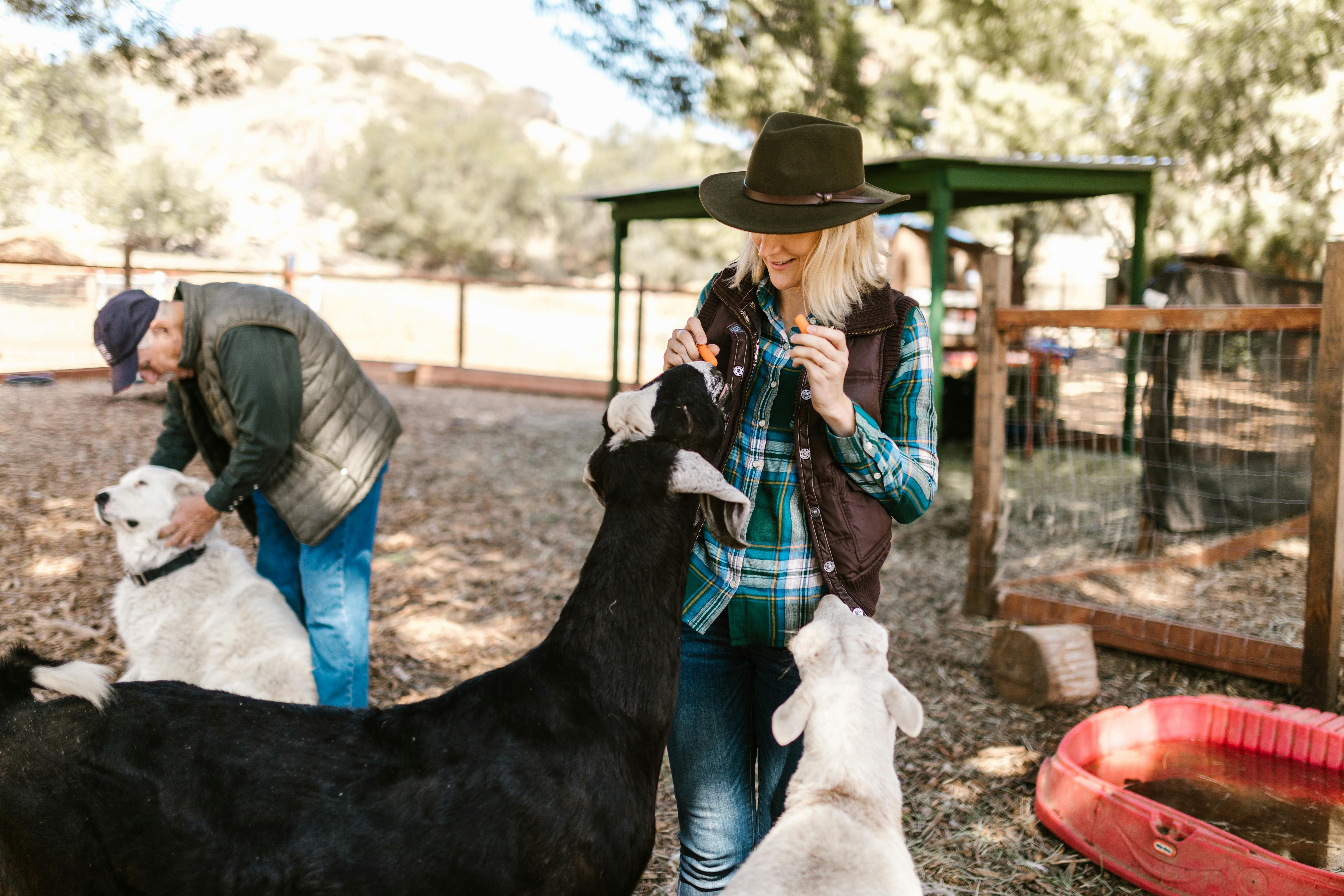
Lifestyle blocks refer to typically smaller acreage holdings combining residential living with recreational agricultural pursuits. Such properties suit buyers seeking space without full-scale farming commitments. Hobby Farms/ lifestyle properties can accommodate diverse activities: poultry keeping for household eggs, establishing productive market gardens, maintaining beehives, or providing paddocks for horses. Families particularly value the combination of space for children, connection to natural systems, and the educational opportunities that come with managing even modest agricultural operations.

Small Scale Commercial Farming Ventures
Niche agricultural enterprises increasingly demonstrate that profitability does not require vast holdings. Operations well-suited to smaller plots include microgreens production for restaurant supply, gourmet mushroom cultivation, medicinal herb growing, and cut flower farming for local markets. These ventures typically demand intensive management rather than extensive acreage, making them viable on affordable properties. Farmbuy listings regularly include holdings ideally sized for these emerging agricultural models.


Investing in Agricultural Land for Long-Term Growth
Farmland has historically delivered stable returns through both capital appreciation and income generation. Passive income opportunities include leasing arrangements with neighbouring farmers seeking additional grazing or cropping area. Emerging revenue streams warrant particular attention: carbon farming programs now offer payments for sequestration activities, whilst biodiversity credit schemes reward habitat preservation and restoration. These mechanisms can enhance returns on modestly priced holdings that might otherwise appear marginal from traditional agricultural perspectives


2026 State by State Guide to Cheap Farm Land
Regional variations in land pricing reflect local agricultural conditions, infrastructure, and distance from population centres. The following breakdown identifies areas where affordable farm land remains accessible across each state.
New South Wales and Queensland
In New South Wales, the most affordable agricultural land lies west of the Great Dividing Range. The Bourke district offers grazing country at prices substantially below state medians, whilst the Riverina provides mixed farming opportunities with better infrastructure. Parkes Shire represents a middle ground, reasonable affordability with stronger transport connections via the Inland Rail corridor.
Queensland's Central Western and North West regions deliver exceptional value per hectare. Towns including Richmond, Charleville, and Greenvale anchor districts where cattle country remains accessible to buyers with modest budgets. These areas suit those comfortable with genuine remoteness and the self-reliance it demands.
South Australia and Western Australia
South Australian buyers should investigate the Flinders Ranges for scenic grazing country, the Eastern & Lower Eyre Peninsula for cropping potential, and the Riverland for irrigated horticulture opportunities at entry-level prices. Each region presents distinct agricultural possibilities alongside varying infrastructure profiles.
Western Australia's eastern Wheatbelt offers affordable broadacre options. The Shire of Yilgarn, Mukinbudin district, and areas surrounding Esperance provide cropping and grazing land at prices well below the state's southwestern premiums. Farmbuy maintains comprehensive listings across these less-trafficked markets, enabling buyers to assess opportunities without extensive physical inspection travel.
Victoria and Tasmania
Victorian affordability improves substantially beyond Melbourne's extended commuter belt. The Wimmera region, including Warracknabeal and surrounding districts offer productive cropping country. Kaniva and Port Albert represent opposite ends of the state where rural property remains reasonably priced.
Tasmania presents interesting opportunities, particularly along the West Coast, through the Midlands, and in the Glamorgan-Spring Bay area. The state's temperate climate and growing reputation for premium produce attract lifestyle buyers and agricultural entrepreneurs alike.
Key Challenges of Buying Inexpensive Rural Land
Transparent assessment of potential difficulties enables better decision-making and more realistic budgeting.
Utility Access and Development Costs
Undeveloped properties may require substantial investment before becoming functional. Power connection costs escalate with distance from existing infrastructure, quotes exceeding $50,000 are not unusual for remote blocks. Bore drilling for water supply involves both upfront expense and ongoing uncertainty regarding yield and quality. Septic systems require council approval and professional installation. Buyers should obtain realistic costings before committing to properties lacking established services.

Connectivity and Remote Working Considerations
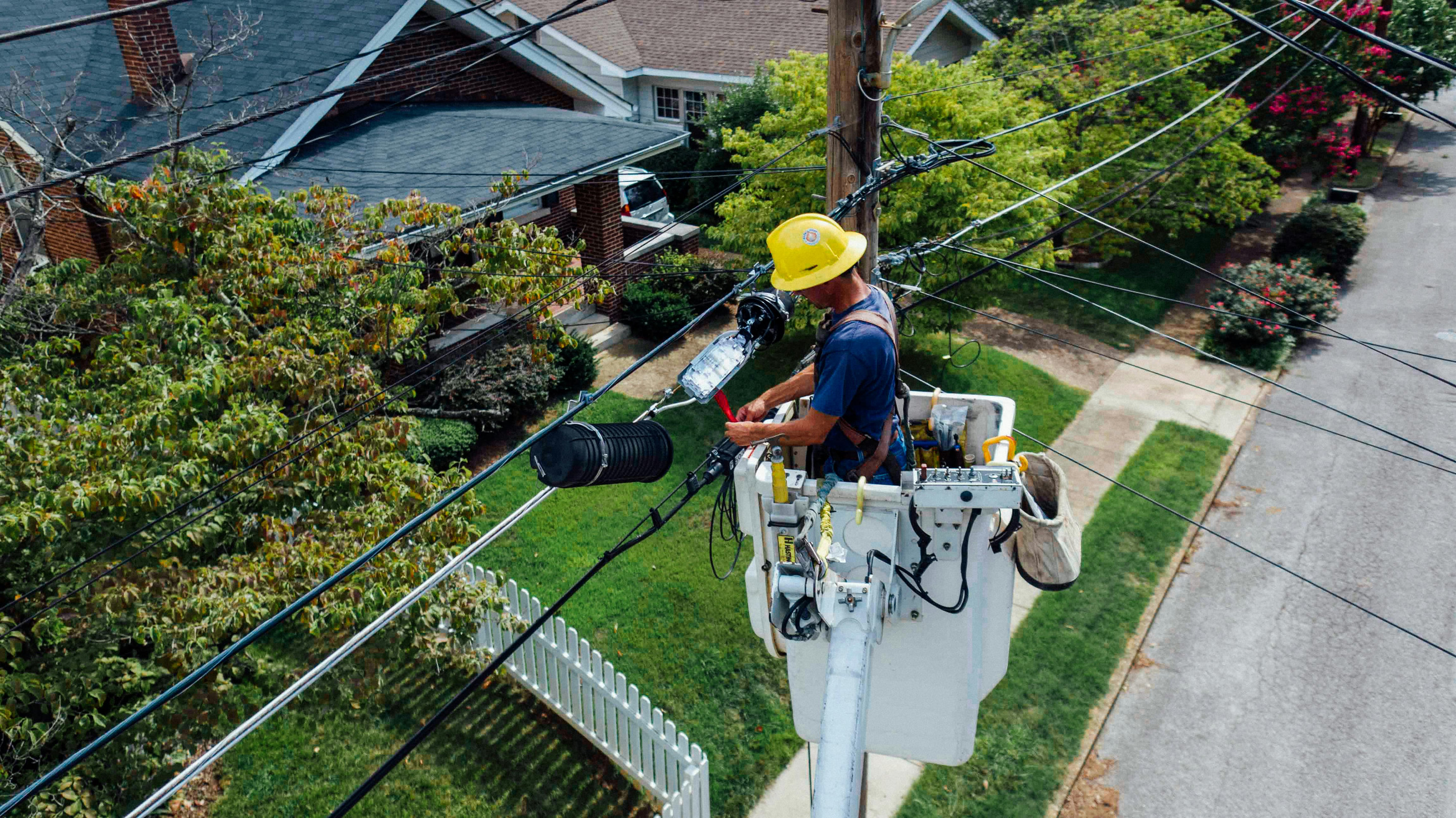
For buyers planning to operate businesses or work remotely, connectivity warrants thorough investigation. Mobile coverage maps provide general guidance but cannot substitute for on-site testing across different network providers. Satellite internet services have improved markedly but involve higher costs and latency limitations that may affect certain applications.


Council Regulations and Ongoing Land Management
Local council regulations govern building permits, minimum dwelling setbacks, land clearing restrictions, and permitted uses. These vary significantly between local government areas and should be confirmed before purchase. Ongoing management obligations include fencing maintenance, declared weed control, pest animal management, and bushfire preparedness measures. Large acreage demands significant time investment regardless of agricultural intensity.

Is Affordable Rural Property Right for You
Different buyer profiles bring distinct priorities to the rural property search.
Families pursuing a tree change typically prioritise space, community integration, and reasonable proximity to schools and essential services. The adjustment from urban to rural living involves practical changes, longer travel times, reduced service availability, and greater self-reliance. That warrant honest family discussion before commitment.
Retirees often value peace, reduced living costs, and lifestyle quality, though healthcare accessibility becomes an important consideration. Properties within a reasonable distance of regional hospitals offer better balance than genuinely remote holdings.
Investors and young entrepreneurs should focus on properties offering clear pathways to returns, whether through agricultural production, leasing arrangements, or emerging mechanisms such as carbon credits. Exploring diverse options through Farmbuy's listings enables comparison across regions and property types before narrowing focus.

Final Thoughts on Finding Your Perfect Plot
Securing affordable farm land requires clarity of purpose combined with thorough research. The opportunities exist, across every Australian state, properties remain accessible to buyers with realistic expectations and genuine commitment to rural living or agricultural enterprise.
Success depends on balancing purchase price against practical considerations: location relative to services and markets, existing infrastructure versus development requirements, and personal capacity for ongoing land management. Properties demanding the lowest upfront investment frequently require the greatest subsequent effort.
Inspect properties personally. Engage with local communities to understand regional dynamics that listings cannot convey. Speak with neighbouring landholders about the realities of the area. This groundwork distinguishes buyers who thrive from those who retreat to the cities within a few difficult years.
Your aspiration of owning a piece of the Australian countryside is more attainable than metropolitan property prices might suggest. The path forward begins with exploring current opportunities through Farmbuy and approaching each prospect with informed enthusiasm rather than naive optimism.
What are the main tax incentives for buying agricultural land in Australia?
Primary producers may access various tax concessions including accelerated depreciation for farm infrastructure, income averaging provisions that smooth tax obligations across variable seasons, and potential GST exemptions on certain farming inputs. Eligibility depends on meeting primary producer definitions established by the Australian Taxation Office.
Is rural property still considered a sound investment in 2026?
Agricultural land has historically demonstrated lower volatility than residential property markets whilst delivering competitive long-term returns through both capital appreciation and income generation. The addition of carbon and biodiversity credit opportunities has expanded potential revenue streams on rural holdings.
What is carbon farming and can it work on a small property?
Carbon farming involves land management practices that sequester atmospheric carbon in soil or vegetation. Whilst larger properties typically generate more substantial credit volumes, smaller holdings can participate through aggregation schemes or focus on co-benefits such as biodiversity enhancement that complement carbon objectives.
Can I legally operate a home business on rural or farm-zoned land?
Permissible activities vary by council and zoning classification. Many agricultural zones allow home-based businesses that do not generate excessive traffic or environmental impacts. Confirmation with the relevant local council before purchase prevents subsequent complications.
What is the first step when searching for cheap rural land?
Define your objectives clearly—lifestyle, investment, agricultural production, or some combination. This clarity enables efficient filtering of listings and prevents time spent investigating properties unsuited to your actual requirements.
How much deposit is typically required for a rural land purchase?
Lenders generally require larger deposits for rural properties than residential purchases, often 20-30% of purchase price. Properties without established dwellings or income-producing capacity may face stricter requirements or limited lender interest.
What hidden costs should I anticipate with undeveloped land?
Beyond purchase price, budget for conveyancing, stamp duty, survey costs if boundaries require confirmation, infrastructure development, council application fees, and ongoing rates and land tax obligations. Properties requiring significant development may also involve extended holding costs before becoming productive or habitable.
What distinguishes a lifestyle block from a hobby farm?
The terms overlap considerably in common usage. Lifestyle blocks typically emphasise residential amenity with agricultural activities as secondary pursuits, whilst hobby farms suggest more active engagement with small-scale farming despite income remaining supplementary to off-farm employment.
How critical is water access when purchasing affordable farmland?
Water access fundamentally determines what any rural property can support. Reliable water—whether from town supply, bore, dam, or allocated water rights—enables agricultural productivity, supports livestock, and makes properties habitable. Assess water security thoroughly before any purchase.
